Let's start with the reassuring part: Rome is a safe city. Violent crime against tourists is rare, and millions of people visit every year without incident. The risks you actually face are petty and predictable — pickpocketing and a handful of street hustles that have run, almost unchanged, for decades. The reason they keep working is simple: visitors don't know to expect them. Read this once and you'll recognize every one on sight, which takes nearly all their power away. Here's the full playbook.
Pickpocketing — the only one that really matters
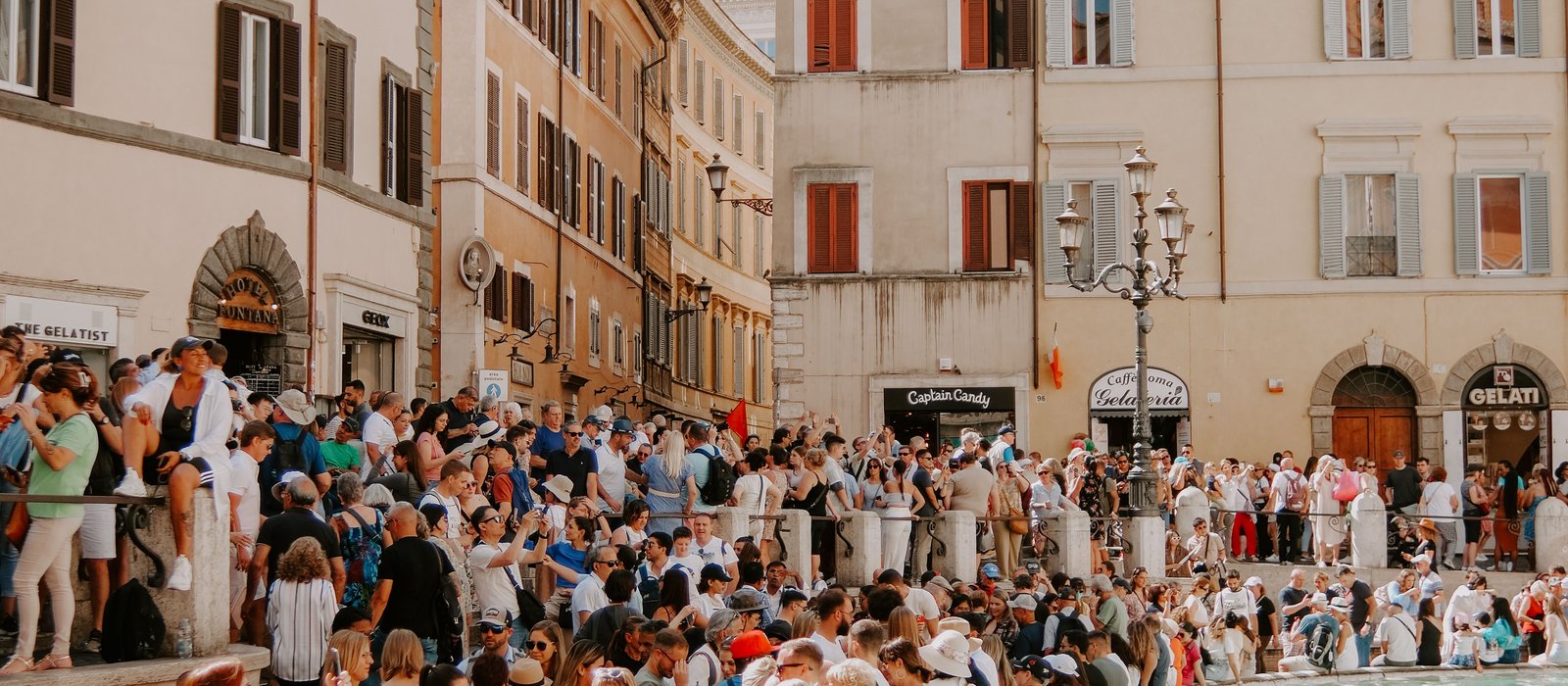
If you internalize one thing, make it this: pickpocketing is the single most common crime against tourists in Rome, and it's concentrated in entirely predictable places — crowded public transport and packed tourist sights. The notorious hotspots:
- Bus 64 (Termini to the Vatican) — so infamous for pickpockets it's nicknamed the "pickpocket express" — and the parallel Bus 40 express, which runs a similar route and draws the same crowds.
- Metro Line A and crowded platforms, especially near major stops.
- The crush at the Colosseum, the Trevi Fountain, and Termini station.
The defense is boring and effective: keep your bag zipped and worn in front of you in crowds, your phone out of your hand near the fountains, and your wallet in a front pocket or an inside zip — never a back pocket or an open tote. Be extra alert in any sudden press of people (a "crowded" bus door is sometimes manufactured). That's it. It's not dangerous; it's opportunistic, and opportunists move on from an alert target.
The street hustles (recognize and keep walking)
These all rely on the same trick: getting something into your hands or your attention, then demanding money or lifting your wallet. Once you know them, they're almost funny.
The friendship bracelet / rose "gift"
Someone friendly approaches near the Pantheon, Trevi, or Spanish Steps and starts tying a woven bracelet on your wrist — or presses a rose on you "for the lady," "as a gift." The moment it's on you, they demand payment, often €10–20, and turn persistent or aggressive if you refuse, sometimes working in groups. Defense: don't let anyone put anything on you or in your hands. Keep your hands to yourself, say "no grazie," and keep walking. Don't stop to argue.
The fake gladiators
Costumed "gladiators" near the Colosseum and Via dei Fori Imperiali invite you to pose — then demand a steep fee (commonly €10–50 per person) once the photo's taken, and can get confrontational. They're not licensed (the practice has been officially cracked down on, yet they persist). Defense: if you want the photo, agree the price in writing first; otherwise don't engage at all.
The fake petition
Someone (often near Trastevere or busy piazzas) thrusts a clipboard at you — "Sign against drugs," a deaf-charity petition, some noble cause. It's a double scam: signing leads to an aggressive donation demand, and while you're distracted, an accomplice works your pockets. Defense: don't sign anything on the street, don't break stride, keep your bag secured.
Fake tickets and tour touts
Around the Colosseum and Forum, people pose as official sellers or guides offering "skip the line" tickets and tours. You may overpay massively or get nothing. Defense: buy only from the official site or a clearly verified vendor; ignore anyone selling on the street. (Our Colosseum tickets guide covers this in detail.)
Counterfeit goods
"Designer" bags, sunglasses, or jewelry at steep discounts from street vendors — counterfeit, and the seller vanishes. Buying them can even carry a fine. Defense: if it's too good to be true, it is.
Taxi tricks
Most Roman taxi drivers are honest, but the scams that exist follow a pattern: an unlicensed car (especially preying on jet-lagged arrivals at Fiumicino and Termini), a "broken" meter, an unnecessarily long route, or a refusal to honor the fixed airport fare. Defense: use only official white taxis from a rank (or a booking app like FreeNow/itTaxi), confirm the fixed €55 fare from Fiumicino / €40 from Ciampino before loading bags, insist on the meter for city rides, and ignore anyone offering you a ride inside the terminal. Our taxi guide has the full routine.