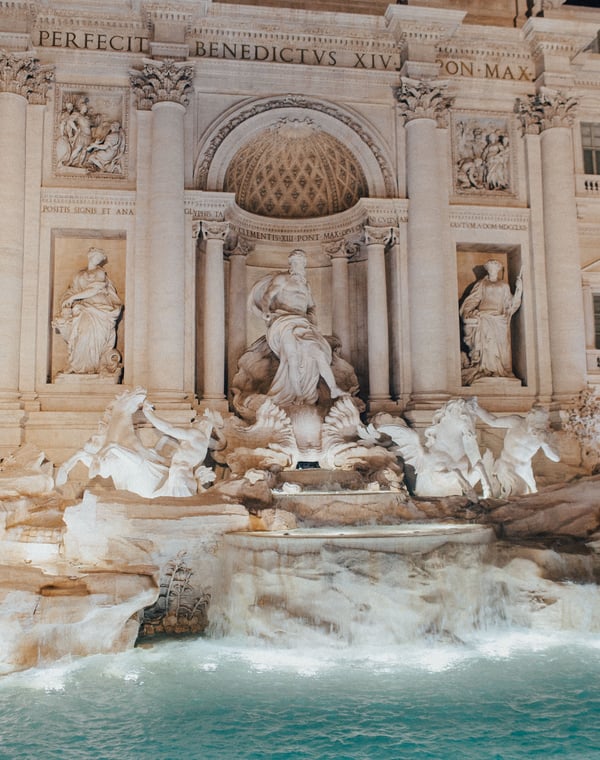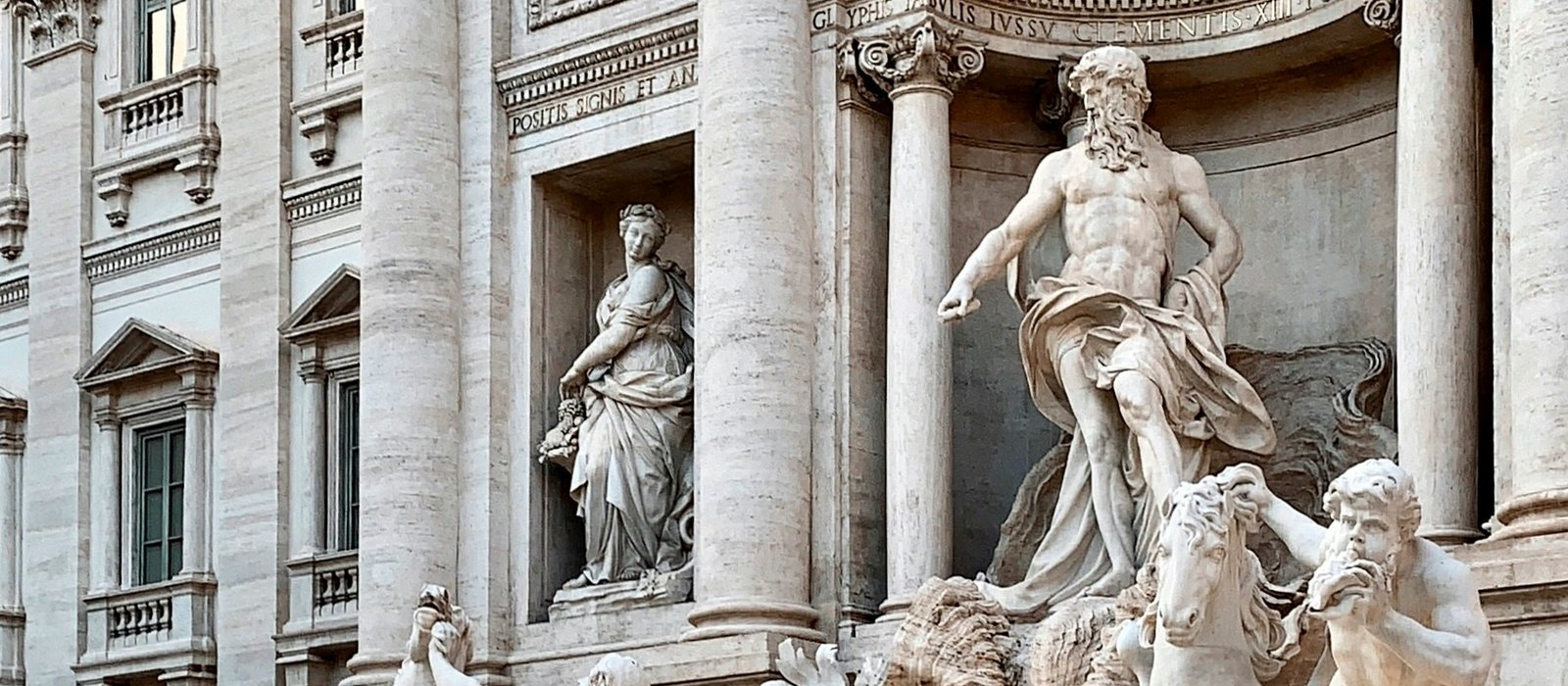
The Trevi Fountain is Rome's most theatrical sight — a wall of Baroque marble where the sea-god Oceanus rides his shell chariot through crashing water, immortalized in La Dolce Vita and a thousand photographs. It's also one of the most crowded spots in the city, and in 2026 the way you visit it changed: Rome introduced a crowd-control system and a small fee for the close-up area. Knowing how the new setup works — and the trick to seeing it for free with barely anyone around — makes all the difference between a magical visit and a frustrating crush. Here's everything you need.
What changed in 2026 (read this first)
As of February 2026, Rome introduced managed access to the close-up basin area of the Trevi Fountain to control the overwhelming crowds. The essentials:
- The piazza is still free. You can walk into Piazza di Trevi, see the fountain, and take photos from the square and the upper level for free, anytime — nothing has changed there.
- The close-up area (down by the water's edge, where you toss the coin) is now a controlled zone with a capacity limit (a few hundred people at a time) and a small entry fee (a couple of euros for non-residents — check the current rate).
- It's ticketed during the day, roughly 9 a.m. to 10 p.m. (later start on some days). After 10 p.m., the barriers open and access to the basin is free for everyone.
- Tickets are bought on-site via QR code or online, and residents, young children, and disabled visitors are exempt.
So the famous coin-toss-at-the-edge experience now either costs a small fee by day, or is free late at night — which leads to the single best tip below.
Is paying for the close-up worth it?
If you're visiting during ticketed hours, you might wonder whether the small fee for the basin area is worth it — here's an honest take. Pay if: you specifically want the up-close, water's-edge experience and the over-the-shoulder coin toss with a clear shot of Oceanus, you're there during the day and can't easily return at night, and a few euros is no obstacle (it's a modest sum, and it funds preservation and crowd control that genuinely improve the experience). Skip the fee if: you're happy seeing the fountain from the piazza and upper level (which remains free and still gives a fantastic view and photos), or — better — you can come back after 10 p.m. when the basin is free for everyone. For most travelers the smart play is to glimpse it free from the square during the day as you pass, then return late at night for the free, floodlit, uncrowded close-up. That way you get the best of both and pay nothing. The fee is small enough that it's not worth agonizing over, but knowing the free late-night window means you never have to pay for the full experience.
The best time to go: late evening (free and uncrowded)
Here's the insider move: go after 10 p.m. When the daytime ticketing ends, the barriers open and you can walk right down to the water's edge for free — and at that hour the crowds have thinned dramatically, the fountain is beautifully floodlit, and you get the cinematic close-up experience at its most magical. Late night (even 11 p.m. to the early hours) is when locals and savvy visitors know the Trevi is at its best: glowing, uncrowded, and free.
If late night doesn't suit you: - Early morning (right after the ticketing starts, or before the day heats up) is the next-calmest window. - Midday and early evening are peak chaos — the small piazza packs shoulder-to-shoulder.