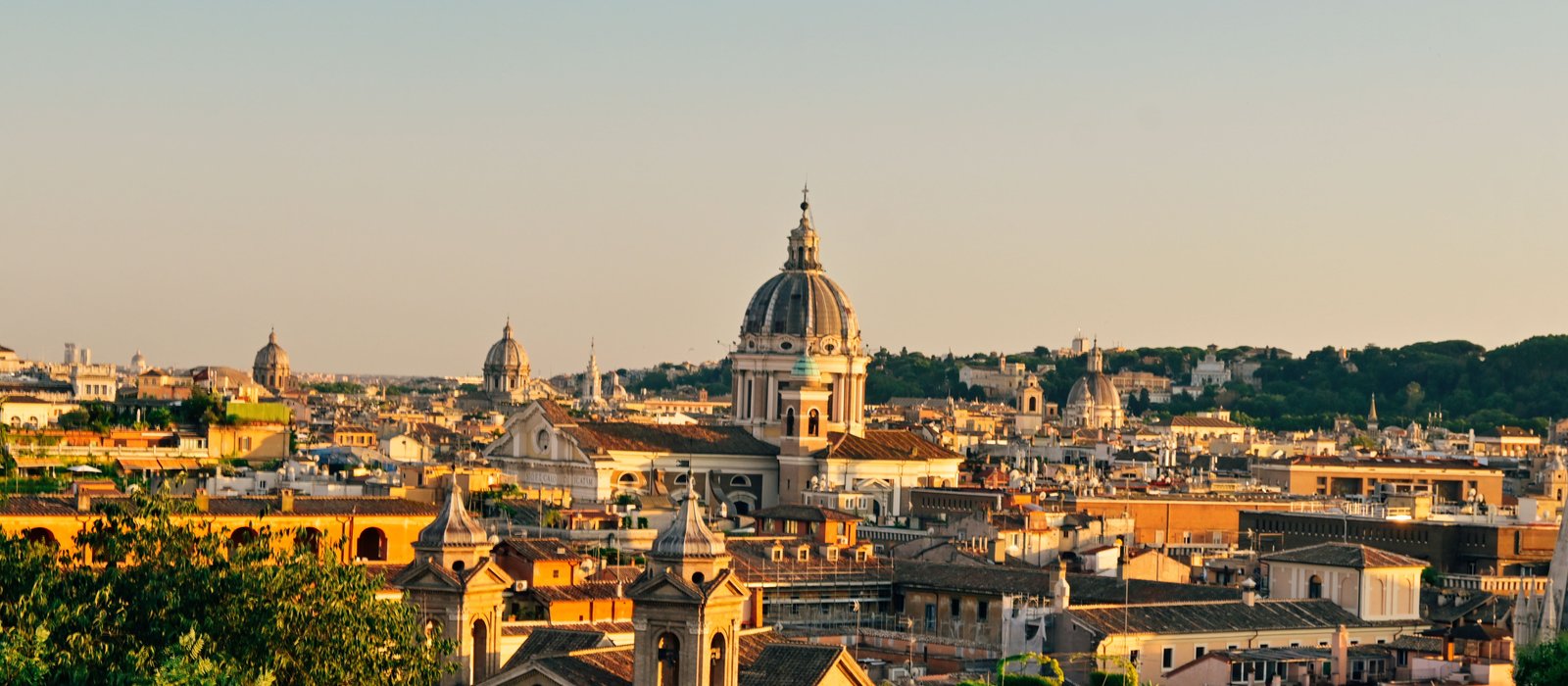
When should you visit Rome? It depends on your priorities — weather, crowds, prices, and events all shift through the year, and there's no single "best" month, just the best month for you. Spring and fall offer the sweet spot of pleasant weather and manageable crowds; summer is hot and busy but full of life; winter is cool, quiet, and cheaper. This month-by-month guide breaks down what to expect in each, so you can match your trip to the Rome you want. (Dates for movable events like Easter shift yearly — verify the current year's calendar before booking around them.)
Quick overview by season
- Spring (April–May): arguably the best — warm, blooming, lively, but increasingly busy.
- Summer (June–August): hot (often very), crowded, vibrant; August sees locals leave and some closures.
- Fall (September–October): the other sweet spot — warm, golden, harvest season, easing crowds.
- Winter (November–March): cool, damp, quiet, cheapest; atmospheric, with Christmas a highlight.
Month by month
January
Cold-ish (for Rome — chilly and damp, rarely freezing), quiet, and cheap. The fewest crowds of the year and the best hotel deals. Epiphany (Jan 6) ends the Christmas season with the Befana. Great for budget travelers and museum-lovers who want sights to themselves; pack for cool, wet weather.
February
Still winter — cool, quiet, low-priced. Crowds remain thin. A good month for an off-season city break; bring layers and an umbrella. Carnival season brings some festivities.
March
The shoulder begins — milder, the city waking up, still relatively uncrowded early in the month. Weather is variable (sunny days and showers). Prices still reasonable. Holy Week begins at the end of the month in 2026 — Palm Sunday falls on March 29, leading into Easter (Sunday, April 5), so the late-March processions and the build-up to the Easter crowds start here.
April
One of the loveliest months — mild, blooming, and lively, though crowds build. Easter Sunday falls on April 5 in 2026, so the month opens with Easter weekend (Good Friday processions, Easter Mass at the Vatican, Easter Monday/Pasquetta) and its surge of visitors and some closures. Other highlights: Natale di Roma (April 21 — with festivities April 17–21), the city's birthday, with parades, gladiator re-enactments, and an encampment at Circus Maximus (free, festive — note it's not a public holiday, so transport, shops, and sights run normally); and Liberation Day (April 25), a national holiday. Book ahead — April is popular.
May
Many travelers' favorite — warm, sunny, long days, gardens in bloom, before the summer heat. Crowds are significant but the weather is glorious. Events: the Italian Open tennis, open-air festivals, and Labor Day (May 1) with Italy's big free concert at Piazza San Giovanni. Peak-ish prices; book early.
June
Summer arrives — hot, long days, buzzing energy, outdoor dining everywhere. Crowds are heavy. Events: Festa della Repubblica (June 2), a national holiday with parades and a flyover; and Sts. Peter & Paul (June 29), Rome's patron-saints day and a city holiday, with fireworks. Start the early-and-late sightseeing rhythm to beat the heat.
July
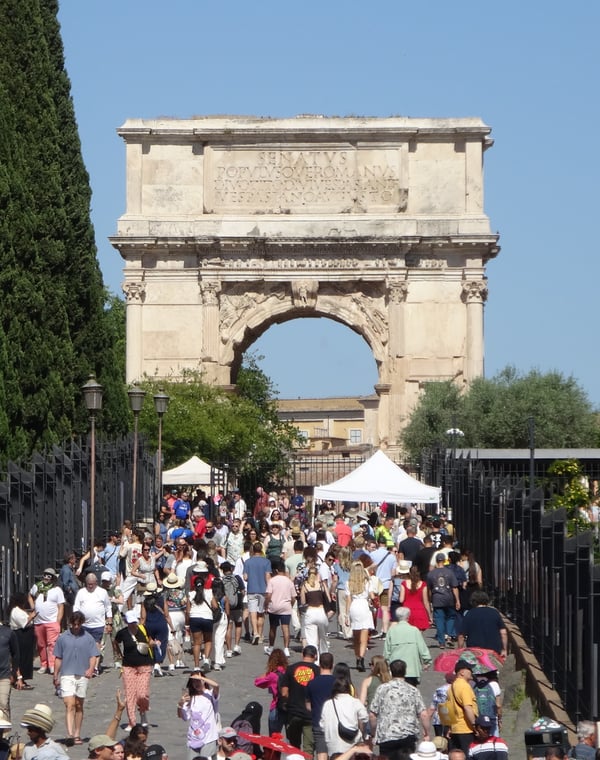
Hot and crowded — often into the 90s°F (mid-30s°C), with strong sun. The city stays lively with summer festivals and outdoor events (the Festa de' Noantri in Trastevere mid-month, open-air cinema and concerts). Sightsee early and late, rest midday, hydrate. Not the most comfortable month, but full of summer atmosphere.
August
The hottest month, and the quirkiest: Ferragosto (Aug 15), the Assumption holiday, is the peak of Italian summer vacation — many Romans leave the city and some shops and restaurants close (especially family-run ones, for part of the month). Tourist sights stay open, but the local texture thins, and the heat is intense (the Vatican Museums close Aug 14–15). Fewer locals, more tourists, serious heat — manageable with the right approach (see our summer guide), but not many people's first choice.
September
The fall sweet spot begins — still warm and sunny but easing from peak heat, crowds thinning after August, and a golden light returning. One of the best months overall. European Heritage Days (mid-to-late September) open monuments with free or reduced access. Excellent weather, great atmosphere; book ahead as it's popular.
October
The other top pick — mild, golden, harvest season, with comfortable days and thinning crowds. Beautiful light, fewer people than spring, often better prices. Occasional rain begins late in the month. Many consider October Rome's most pleasant month.
November
The shoulder closes — cooler, wetter, quieter, cheaper. Crowds drop off, prices ease, and the indoor sights beckon (see our rainy-day guide). All Saints' Day (Nov 1) is a holiday. A good value month for those who don't mind cool, damp weather.
December
Cool and festive — Christmas transforms the city with lights, nativity scenes (presepi), markets, and a special atmosphere. Crowds build toward the holidays around Christmas and New Year. Christmas (Dec 25–26) sees closures (and the Vatican is a focus of celebrations); the Spanish Steps and Piazza Navona get festive displays. Cold and sometimes wet, but magical.