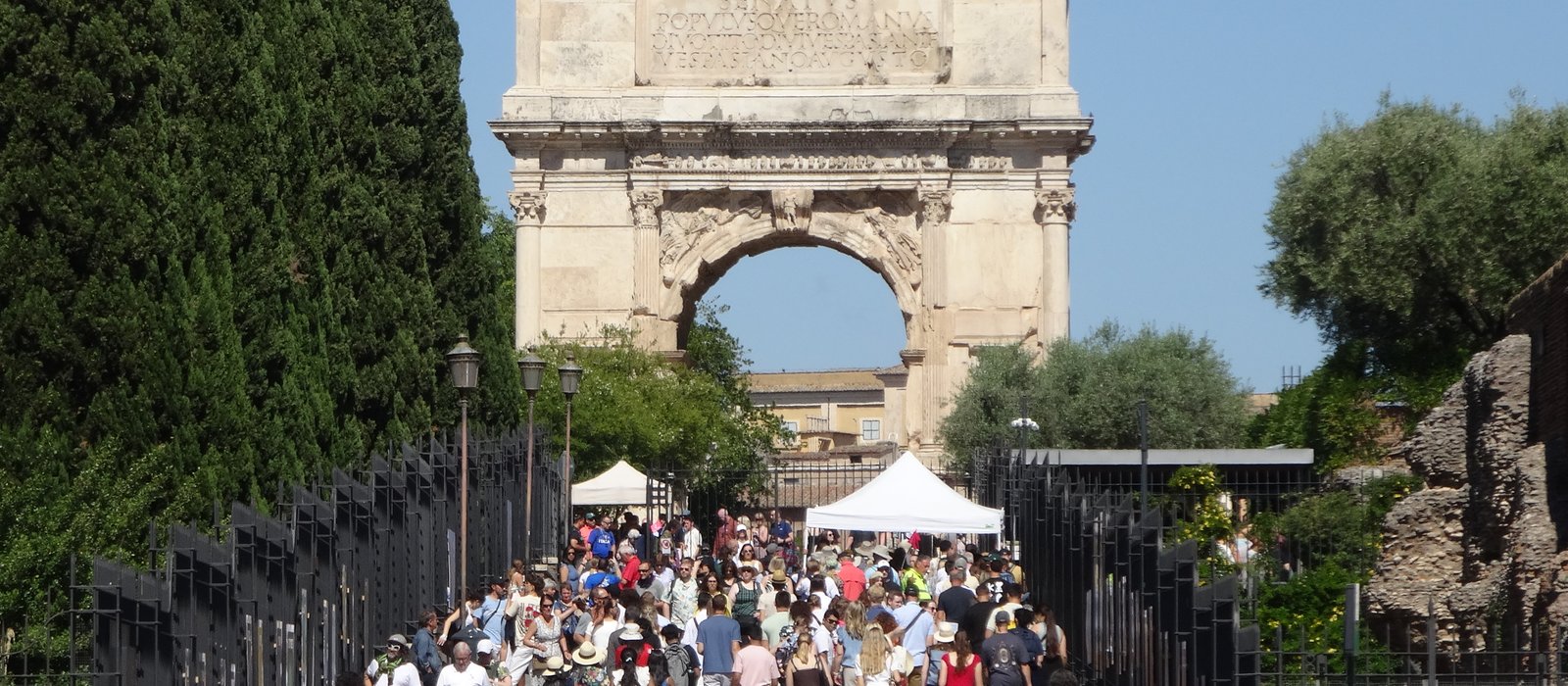
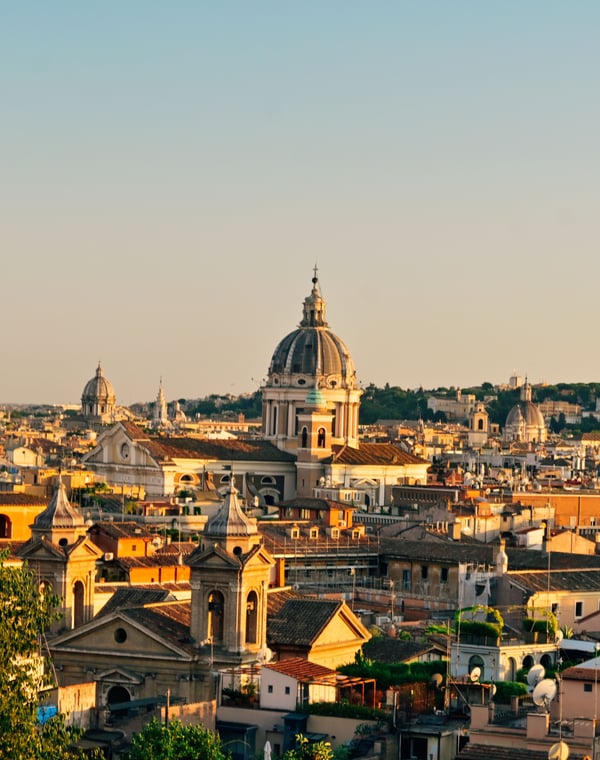
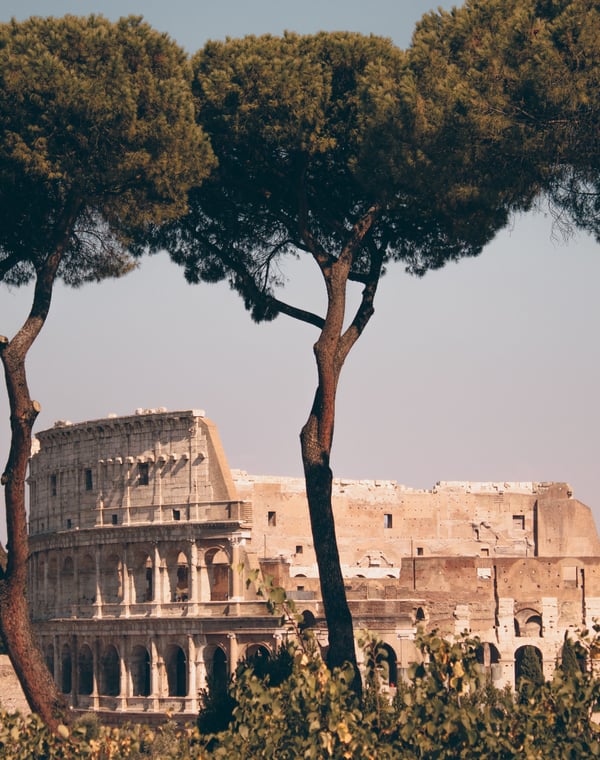
Most of the things that trip up American visitors in Rome aren't dramatic disasters — they're small, avoidable missteps that cost money, waste time, or quietly mark you as a tourist. The good news is they're easy to sidestep once you know them. Drawing on the patterns that catch first-timers again and again, here are the seven most common mistakes Americans make in Rome — and exactly how to avoid each one, so your trip is smoother, cheaper, and more like a Roman's.
1. Not booking major sights in advance
The single biggest mistake: showing up to the Colosseum, Vatican, or Borghese expecting to buy a ticket at the door. In reality, the big sights require (or strongly reward) advance, timed-entry tickets — the Vatican and Borghese sell out, the Pantheon is now timed-entry, and walk-up lines can eat hours of your trip. Fix: book skip-the-line/timed tickets online in advance for the Colosseum, Vatican Museums, Borghese (essential), and Pantheon (see our skip-the-line guide). It's the highest-impact thing you can do.
2. Over-tipping (American-style)
Americans reflexively tip 15–20%, but tipping in Italy is light and not obligatory — staff earn a full wage, not a tip-dependent one. Leaving a US-style 20% marks you instantly and overpays by local norms. Fix: round up or leave a euro or two for good service, in cash; know the coperto (cover charge) on the bill isn't a tip and isn't a scam (see our tipping guide).
3. Choosing dollars over euros at the card machine
When a card reader or ATM asks whether to charge in dollars or euros, many Americans pick dollars (it feels familiar) — and pay a worse exchange rate every time (the "dynamic currency conversion" markup). Fix: always choose euros. Use a card with no foreign-transaction fee, and withdraw from bank ATMs, not tourist exchange machines (see our cash/cards guide).
4. Ordering coffee (and eating) like an American
Ordering a cappuccino after dinner, asking for a to-go bucket of coffee, expecting an early dinner, or wanting major menu modifications all quietly out you as a tourist — and sometimes get you worse food or a markup. Fix: drink cappuccino only in the morning, espresso after meals; eat dinner at Roman hours (from ~8 p.m.); ask for the check (it won't come automatically); and trust the kitchen (see our coffee culture and etiquette guides).
5. Eating right next to the major sights
The restaurants facing the Trevi, the Pantheon, Piazza Navona, and the Colosseum are almost universally tourist traps — overpriced, mediocre, with photo menus and hosts waving you in. Americans tired and hungry after sightseeing fall into them constantly. Fix: walk two or three streets away before you eat, look for short menus of Roman classics where locals dine, and head to real food neighborhoods like Testaccio and Trastevere's back lanes (see our tourist-trap and dining guides).
6. Underestimating the heat, the cobblestones, and the dress code
Three practical misjudgments cluster here: wearing brand-new or unsupportive shoes (Rome's cobblestones destroy feet over miles of walking), underestimating the summer heat (sightseeing at noon in August is brutal), and showing up to St. Peter's or the Vatican in shorts and a tank top (the dress code — covered shoulders and knees — is strictly enforced and will get you turned away). Fix: bring broken-in walking shoes, carry water and pace yourself in heat (sightsee early/late), and pack a scarf and longer layers for churches (see our packing, dress code, and summer guides).
7. Trying to see everything (and getting pickpocketed in the rush)
Americans on a tight trip often cram in too much — exhausting marathons that turn Rome into a checklist — and the harried, distracted rush is exactly when pickpockets strike (on crowded buses like the 64, around the Termini and metro, in the sight-crowds). Fix: slow down — do fewer things well, build in piazza-sitting and gelato, and embrace the Roman pace. And stay alert in crowds: bag zipped and worn in front, phone secure, no wallet in a back pocket (see our scams and safety guides). Rome rewards lingering, not sprinting.
Why these mistakes happen (and the mindset that prevents them)
Almost all of these missteps share a root cause: approaching Rome with American defaults instead of Roman ones. Tipping 20%, choosing dollars, ordering a to-go coffee, eating dinner at 6, wanting the check brought automatically — none of these are "wrong" so much as they're American habits applied to an Italian city that works differently. The single mindset that prevents most of them is simple curiosity about how Romans actually do things, plus a willingness to slow down and follow their lead rather than impose your home routine. Watch what locals do at the coffee bar, eat when and where they eat, walk and linger instead of sprinting a checklist, and treat the small cultural differences as part of the experience rather than friction to power through. The travelers who have the best time in Rome aren't the ones who see the most — they're the ones who relax into the city's rhythm. Adopt that posture, and the seven mistakes mostly take care of themselves, because you stop fighting how Rome works and start enjoying it. The practical fixes above are the what; this curious, unhurried, observe-the-locals attitude is the how that makes them second nature.
A few honorable mentions
Quick extras that catch Americans:
- Not validating transit tickets — stamp them or risk a fine.
- Sitting on the Spanish Steps — banned, with fines.
- Drinking only bottled water — the nasoni fountains are free, cold, and safe; refill.
- Accepting "free" roses, bracelets, or help — it's a hustle; decline politely.
- Renting a car for the city — don't; the ZTL zones fine you automatically (see our car guide).
- Not carrying any cash — small trattorias and markets sometimes want it.
The bottom line
The mistakes Americans make in Rome are small and fixable: book the big sights ahead, tip lightly, always choose euros, order coffee and meals the Roman way, eat off the tourist drags, dress and shoe yourself for the city, and slow down (staying alert to pickpockets in the rush). None of these require expertise — just knowing them in advance. Sidestep these seven, and you'll spend less, eat better, stress less, and move through Rome like someone who belongs there rather than an obvious first-timer.
Keep planning
Not sure how it all fits together?
Pick your trip length and we'll route a real day-by-day plan.
Build your trip →