Roma · Vaticano · Trastevere · Colosseo · Appia Antica
Rome for AmericansThe unhurried guide
Walking Rome: The City Is Smaller Than You Think
Back to home

Walking Rome: The City Is Smaller Than You Think

EditorialJune 11, 2026

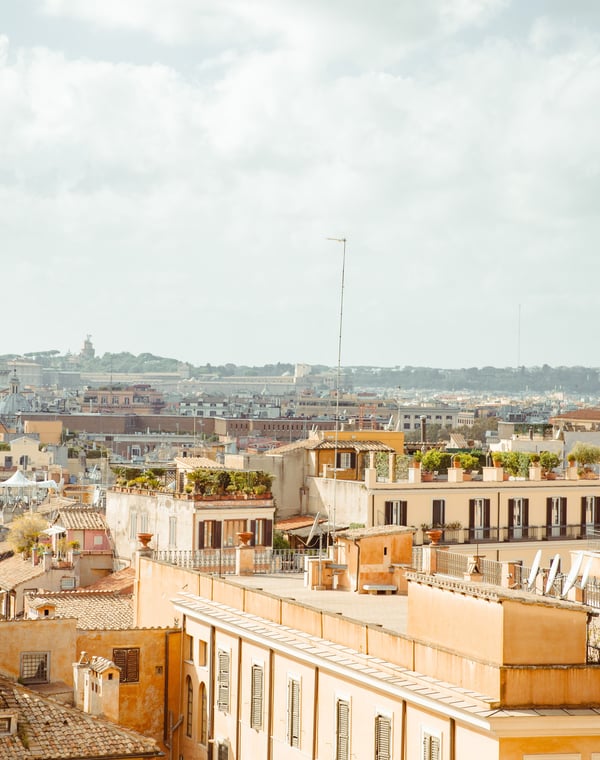
Here's a secret that transforms a Rome trip: the historic center is much smaller and more walkable than it looks on a map. Almost all the sights a first-timer comes for — the Colosseum, the Pantheon, the Trevi Fountain, Piazza Navona, the Spanish Steps, even the Vatican — sit within a compact, connected core you can cross on foot in well under an hour. Walking isn't just possible in Rome; it's the best way to experience the city, because the magic is as much in the streets between the sights as in the sights themselves. This guide explains why Rome is a walking city, and how to make the most of it.

Why Rome rewards walking

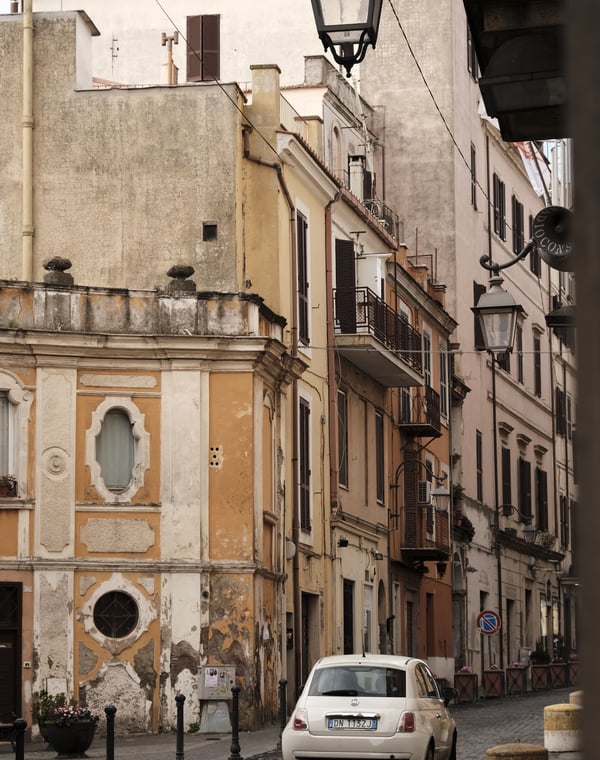
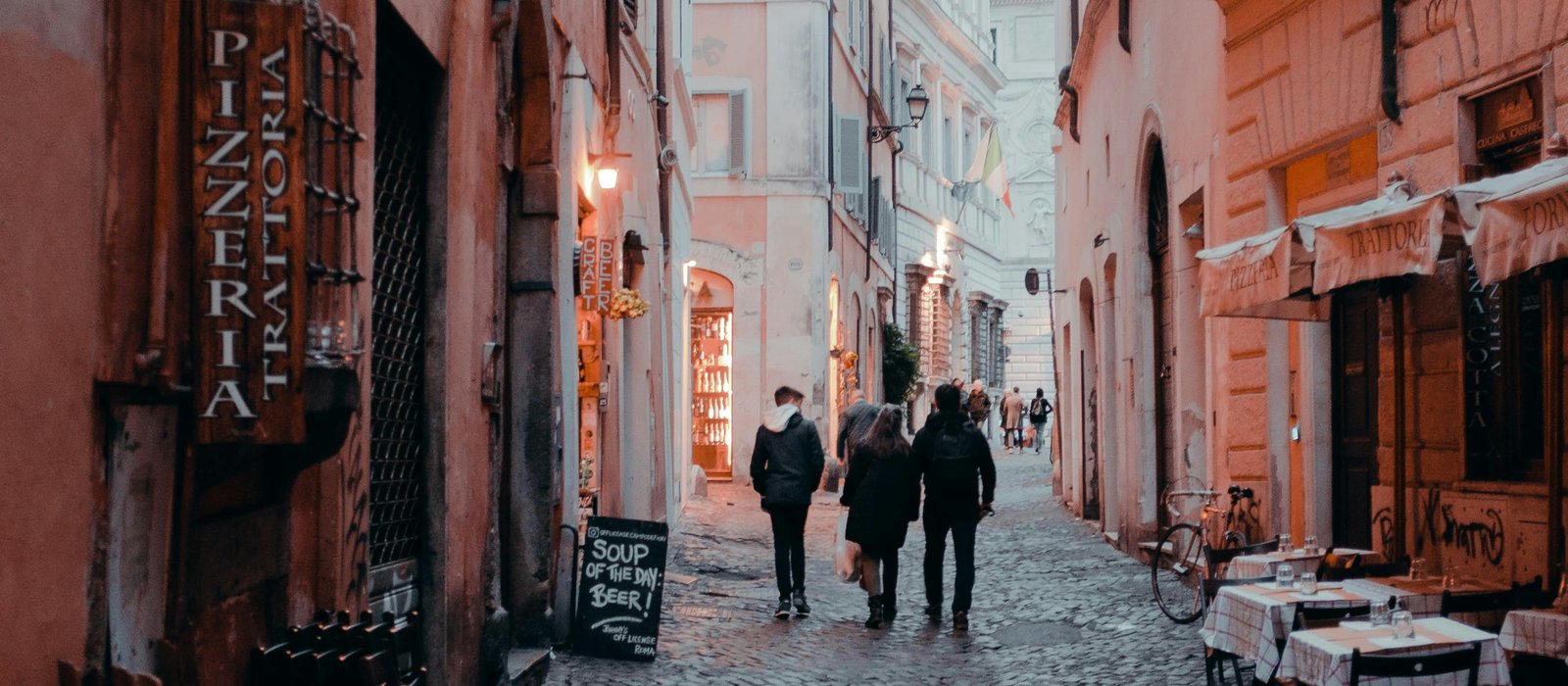
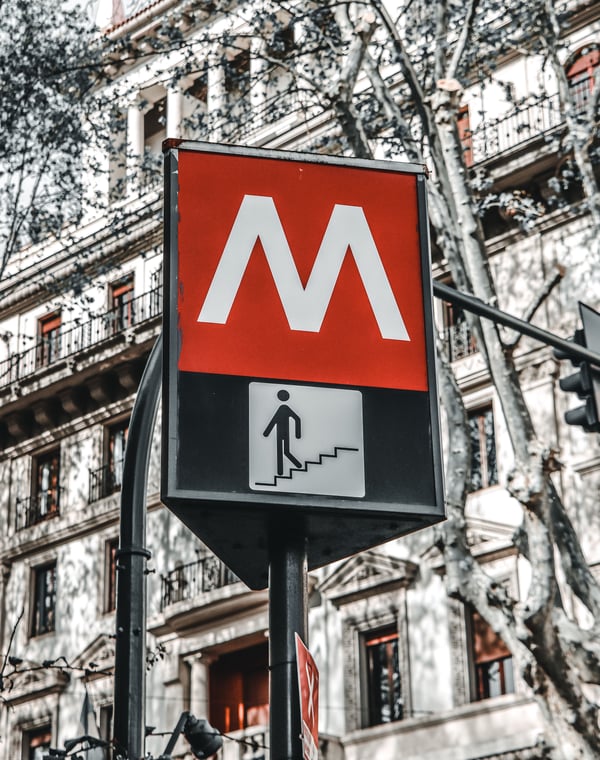
Rome packs an astonishing density of beauty into a small area, and much of it can't be reached any other way. The metro deliberately skirts the historic center (you can't tunnel freely under millennia of ruins), and cars are restricted or unwelcome in the tangle of pedestrian lanes — so on foot is genuinely the fastest and richest way around the core. More than that, Rome is a city of discoveries between destinations: walk from the Pantheon to the Trevi and you'll pass fountains, churches with Caravaggios, artisan workshops, gelato, and tiny piazzas you'd never have planned to see. The walking is the sightseeing. Try to taxi or metro between everything and you miss the actual city.

Just how close everything is

To make it concrete, here are some real walking times in the historic center:

  • Pantheon → Trevi Fountain: about 7–8 minutes.
  • Trevi Fountain → Spanish Steps: about 8–10 minutes.
  • Pantheon → Piazza Navona: about 5 minutes.
  • Piazza Navona → Campo de' Fiori: about 5 minutes.
  • Pantheon → Colosseum: about 20 minutes (a pleasant walk past the Forum's edge).
  • Centro storico → Vatican: about 25–30 minutes across the river (or a short ride).
  • Centro storico → Trastevere: about 15–20 minutes over a bridge.

In other words, the entire classic-sights core is a 30-minute walk end to end, and most individual hops are 5–10 minutes. Once you internalize that, the city stops feeling daunting.

How to walk Rome well

A few principles make walking the city a joy rather than a slog:

  • Stay central. This is the whole reason we keep recommending a central base — it puts most of the sights within a walk and turns "getting around" into "exploring" (see our where-to-stay guides).
  • Wear real shoes. Rome's sampietrini cobblestones are charming and genuinely hard on feet and footwear — supportive, broken-in walking shoes are non-negotiable. No fresh-out-of-the-box sneakers, no heels, no flimsy sandals.
  • Pace yourself and hydrate. Refill at the free nasoni drinking fountains all over the city; carry water, especially in summer.
  • Embrace getting lost. Some of Rome's best moments come from wandering off your route. Let yourself.
  • Walk early or late in summer to avoid the midday heat, especially on unshaded stretches.
  • Use the metro/bus for the long hops (out to the Appian Way, Testaccio, or San Paolo) and walk everything in the core.
A reality check on the terrain

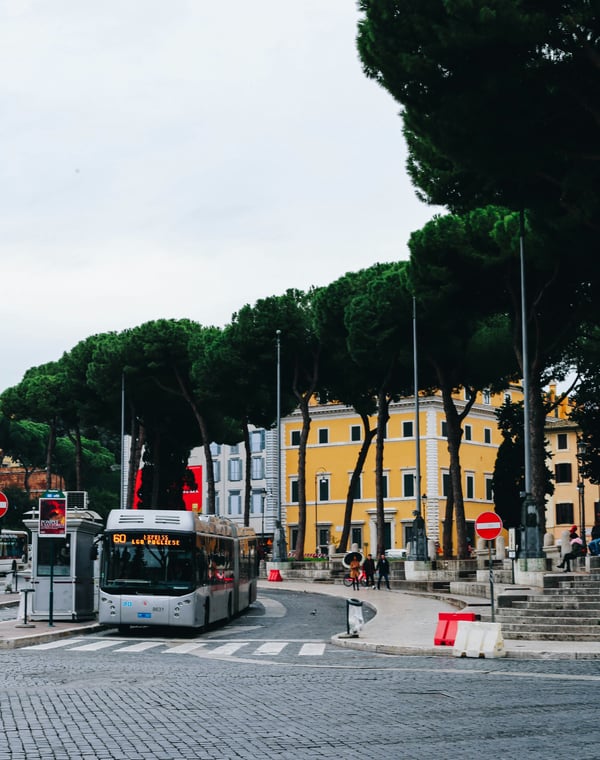
Rome's walkability comes with a caveat worth knowing before you go: the surfaces are hard. The historic center is paved largely in sampietrini — small, square cobblestones of volcanic basalt — which are charming to look at and genuinely tough underfoot: uneven, sometimes loose, slippery when wet, and brutal in thin-soled or new shoes. Add the city's seven hills (gentle in places, steeper than they look in others — the Gianicolo, the Aventine, the climb to Trinità dei Monti), the occasional staircase, and a lot of ancient, irregular paving at sites like the Forum and the Appian Way, and you have a city that's walkable but not effortless. The practical takeaways: bring genuinely broken-in, supportive walking shoes (this is the single most common piece of advice from anyone who's done Rome, and the single most common regret from those who didn't), pace yourself with breaks, and if you have mobility issues, plan routes that favor the flatter centro storico and lean on taxis for the hillier or rougher stretches. None of this should put you off — millions walk Rome happily every year — but going in with the right footwear and expectations is the difference between sore feet and a sore trip.

What you'll discover on foot

The unplanned sights are half the reward. Walking Rome, you'll stumble on: - Free churches holding masterpieces — a Caravaggio here, a Bernini there, a Michelangelo Moses, all behind unassuming doors. - Fountains and nasoni at nearly every turn, ancient and Baroque. - Tiny piazzas and workshops — the artisan, lived-in Rome between the monuments. - Ancient fragments built into medieval walls, columns repurposed, eras layered. - The perfect coffee or gelato you'd never have found from a guidebook.

This serendipity is exactly what a metro-and-taxi itinerary skips.

When not to walk

Walking is the default, but use transport when it makes sense: late at night (a taxi or app ride home when you're tired), with heavy luggage (airport transfers), for the outlying sights (Appian Way, EUR, the catacombs), in bad weather or extreme heat, or for mobility needs. Rome's compactness is a gift, but you don't have to walk everything — just the core, where it's genuinely the best option.

The bottom line

Rome is far smaller and more walkable than first-timers expect: the entire classic-sights core is a 30-minute stroll end to end, with most hops between major sights just 5–10 minutes apart. Walking isn't a compromise here — it's the best way to see the city, because Rome's magic lives in the streets between the monuments. Stay central, wear real shoes, carry water, embrace getting lost, and save transport for the long hops and late nights. Do that, and Rome unfolds at exactly the pace it was meant to be seen.

Keep reading