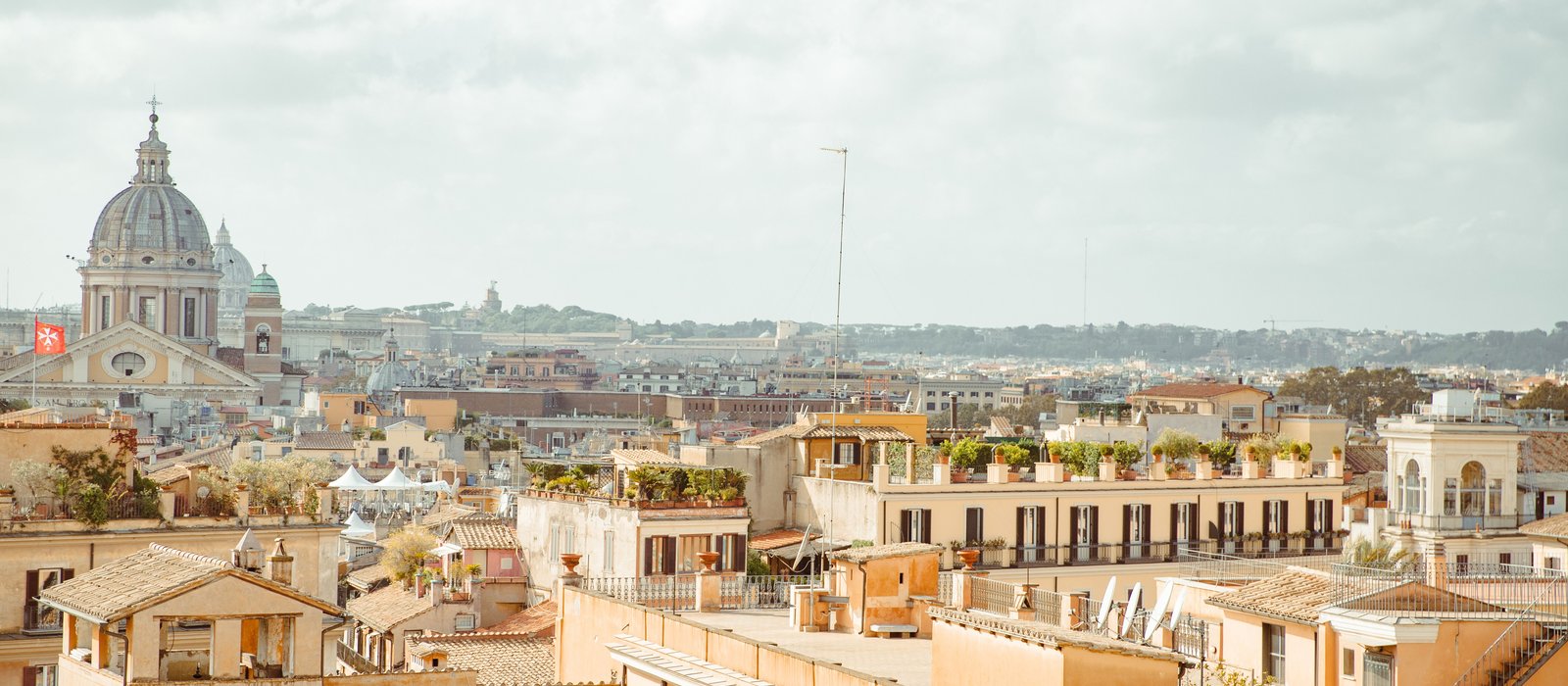
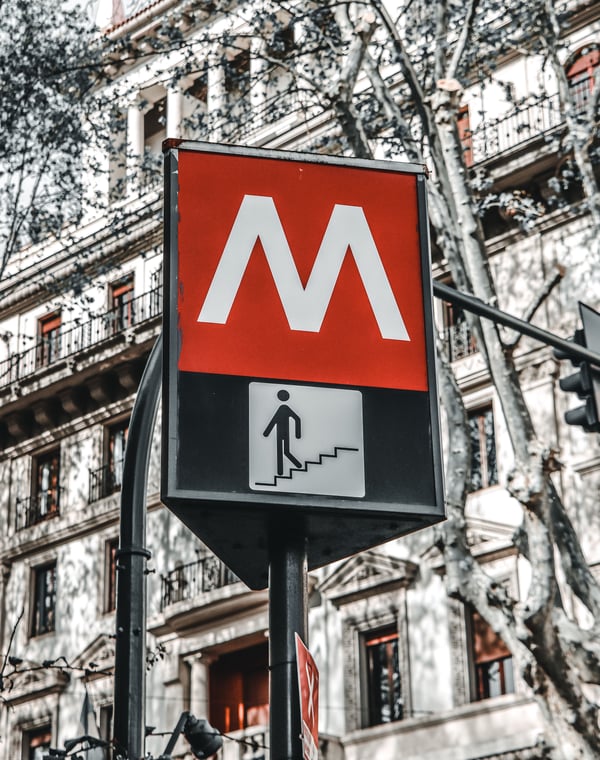
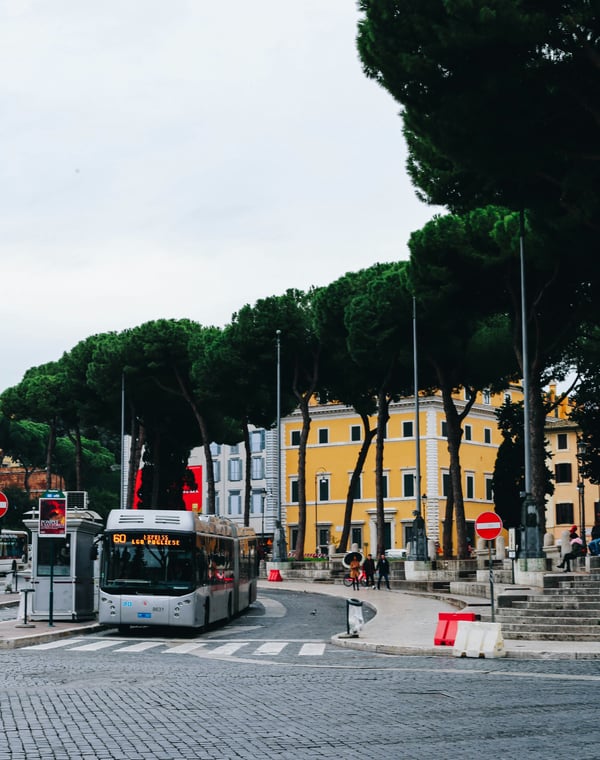
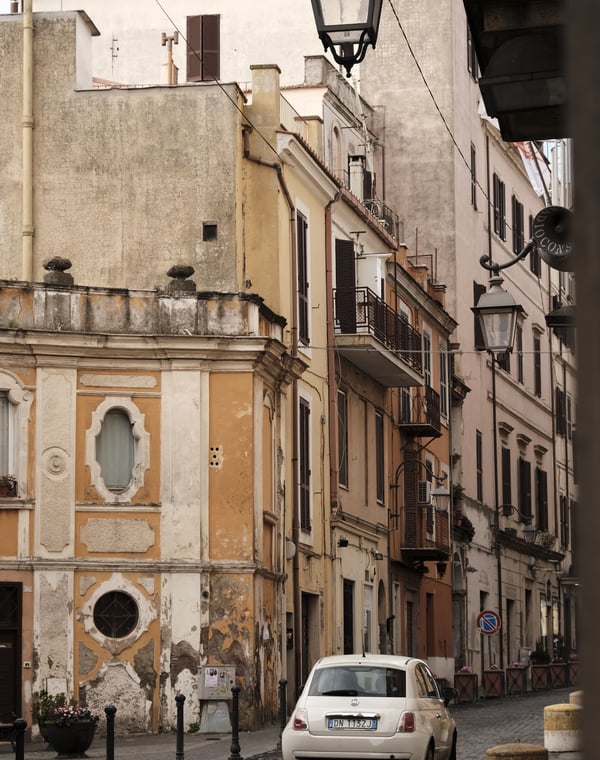
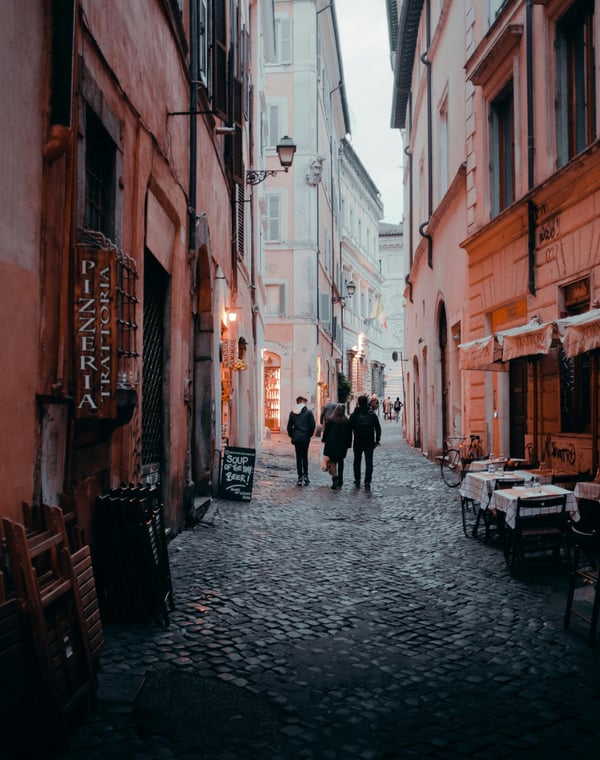
Because Rome's center is so compact, the smartest way to plan a day isn't to pick sights at random — it's to string them together into a walking route that flows naturally from one to the next, so you're never backtracking and you catch the in-between magic along the way. This guide lays out the best self-guided walking routes connecting Rome's major sights: tested sequences that minimize wasted steps and maximize the discoveries between stops. Lace up comfortable shoes, and let these routes turn a list of monuments into a flowing day on foot.
Route 1: The Baroque & Fountains Walk (historic center)
The classic centro storico loop, hitting the headline sights with minimal backtracking. About 1.5–2 hours of walking (much longer with stops):
- Piazza Navona — start with Bernini's fountains and the Baroque square.
- Pantheon (5 min east) — the best-preserved ancient building (timed entry now).
- Trevi Fountain (8 min) — wind through the lanes to Rome's grandest fountain.
- Spanish Steps (10 min north) — finish at the steps and Piazza di Spagna.
- Optional extension: climb to Trinità dei Monti and the Pincio Terrace for a rooftop-view finale over the city.
Along the way you'll pass free churches (the Caravaggios at San Luigi dei Francesi), gelato stops, and a dozen tiny piazzas. This is the single best introductory walk in Rome.
Route 2: Ancient Rome Walk
The great ancient sights, in a logical line. About 1.5 hours of walking, plus sight time (a full day with the Colosseum and Forum):
- Piazza Venezia & the Vittoriano — start central; climb the Vittoriano terraces for the view.
- Capitoline Hill (Campidoglio) — Michelangelo's square and the free Forum overlook.
- Roman Forum & Palatine — descend into the ancient center (combined ticket).
- Colosseum (right beside the Forum) — the finale.
- Optional extension: continue to San Clemente (the layered church) or toward the Celian Hill.
Doing it in this order means you get oriented from above (the Capitoline and Vittoriano overlooks) before walking down into the ruins — far more rewarding than diving straight in.
Route 3: The Vatican & Tiber Walk
Linking the Vatican to the historic center across the river. About 1 hour of walking, plus sight time:
- St. Peter's Basilica & Square — start at the Vatican (early for the security line).
- Castel Sant'Angelo (10 min) — walk along to the fortress-tomb.
- Ponte Sant'Angelo — cross Bernini's angel-lined bridge over the Tiber.
- Piazza Navona (10 min) — arrive in the heart of the centro storico.
- Optional: continue to the Pantheon and beyond.
This route ties the two halves of a classic Rome together and includes one of the city's most beautiful bridge crossings.
Route 4: Trastevere & the River Walk
A gentler, atmospheric route for an afternoon into evening. About 1–1.5 hours of walking:
- Campo de' Fiori — start at the market square.
- The Jewish Ghetto (5 min) — Portico d'Ottavia, the Turtle Fountain, Roman-Jewish history.
- Tiber Island — cross to the little island mid-river.
- Trastevere — continue across into the cobbled quarter; wander to Santa Maria in Trastevere.
- Optional finale: climb the Gianicolo (Janiculum) Hill for a sunset panorama, or settle in for dinner.
Timed for late afternoon, this route rolls naturally into a Trastevere evening (see our after-dark guide).
Route 5: The Evening Passeggiata (relaxed, mostly ticket-free)
For a gentler walk built around atmosphere rather than monuments — perfect for a first evening or a tired-feet day. About 1–1.5 hours, and almost entirely free (the streets and piazzas cost nothing; the one exception is noted at the Trevi):
- Piazza del Popolo — start at the grand oval as the light softens; climb to the Pincio Terrace for a sunset view over the rooftops.
- Down the Via del Corso or the lanes toward the center, window-shopping as you go.
- Trevi Fountain (floodlit, best late) — pause for the illuminated spectacle. Note the 2026 rule: the close-up basin area is a small paid ticket before 10 p.m. and free for all after 10 p.m., so if you want the water's edge for free, time this stop for late evening (the piazza view is free anytime — see our Trevi guide).
- Pantheon — magical lit up at night in its piazza.
- Piazza Navona — finish among the evening street artists and café buzz, or carry on for a late dinner.
This is Rome at its most romantic, strung between illuminated landmarks with minimal opening hours to worry about — the passeggiata (evening stroll) the way Romans do it. Start it later (toward 9–10 p.m.) and the Trevi close-up becomes free along the way.
Tips for self-guided walking routes
- Download an offline map (Google Maps offline, or Maps.me) — the lanes are a maze and signal can be patchy among tall buildings.
- Wear broken-in walking shoes — every route is on cobblestones.
- Go early or late in summer to avoid midday heat, especially the exposed ancient route.
- Build in stops — these times are walking only; the joy is pausing for coffee, gelato, churches, and piazzas.
- Carry water — refill at the nasoni fountains along every route.
- Combine or split — on a longer trip, do one route per day; on a short trip, Route 1 plus part of Route 2 covers the essentials.
- Mind pickpockets at the busy nodes (Trevi, Colosseum, transit) and keep valuables secure.
- Start routes early to bank the calm hours at the famous stops before the crowds and heat build — the same route feels completely different at 8 a.m. versus noon.
- Let the route be a skeleton, not a cage. These sequences keep you from backtracking, but the best moments come from the detours — a church you didn't plan to enter, a piazza you stumble on, a gelato that pulls you off-course. Follow them.
The bottom line
The best way to see Rome is to walk it in logical loops rather than zig-zagging: the Baroque & Fountains route for the classic centro sights, the Ancient Rome route from the Capitoline down to the Colosseum, the Vatican & Tiber route across Bernini's angel bridge, and the Trastevere & River route into the cobbled quarter for the evening. Each flows naturally from stop to stop, minimizes backtracking, and serves up the in-between discoveries that are half of Rome's magic. Pick a route per day, wear good shoes, carry water, and let the city unfold on foot.
Keep planning
Not sure how it all fits together?
Pick your trip length and we'll route a real day-by-day plan.
Build your trip →