For most visitors landing at Fiumicino, the train is the smartest way into Rome — fast, traffic-proof, and cheap compared to a taxi. But there are actually two train options, and knowing the difference (and a few boarding tips) makes your arrival seamless. The famous Leonardo Express runs non-stop to Termini; the lesser-known regional FL1 is cheaper but goes elsewhere. This guide covers both, how to buy and board, and how to choose between them.
The Leonardo Express (the main event)
The Leonardo Express is the dedicated non-stop train linking Fiumicino Airport directly to Roma Termini, Rome's central station. The essentials:
- Journey time: about 32 minutes, non-stop.
- Frequency: roughly every 15 minutes for most of the day (gaps stretch to 20–30 min early morning and late evening).
- Hours: first train from the airport around 6:23 a.m., last around 11:23 p.m. (verify the current timetable, which shifts seasonally and on holidays).
- Fare: a fixed ~€14 one-way for adults (check the current price); one class of service, no round-trip discount. Children 4–11 travel free with a paying adult; under-4s free.
- Where it arrives: Roma Termini, from which you can connect to Metro Lines A and B, taxis, buses, and onward trains to Florence, Naples, Venice, and beyond.
It's the fastest, most reliable public option — traffic-free and frequent — and ideal if you're staying near Termini or connecting onward.
The regional alternative (FL1)
Less known to visitors: the FL1 regional train also serves Fiumicino, and it's cheaper than the Leonardo Express. The catch: it does not go to Termini. Instead it stops at other Rome stations — Trastevere, Ostiense, Tiburtina, and others. So it's a great-value choice if one of those stations is near your accommodation (Ostiense/Trastevere are handy for the south and west of the center); otherwise the Leonardo Express's direct Termini link is usually worth the small extra. The FL1 runs frequently too, and tickets are bought the same way.
Connecting onward from Termini
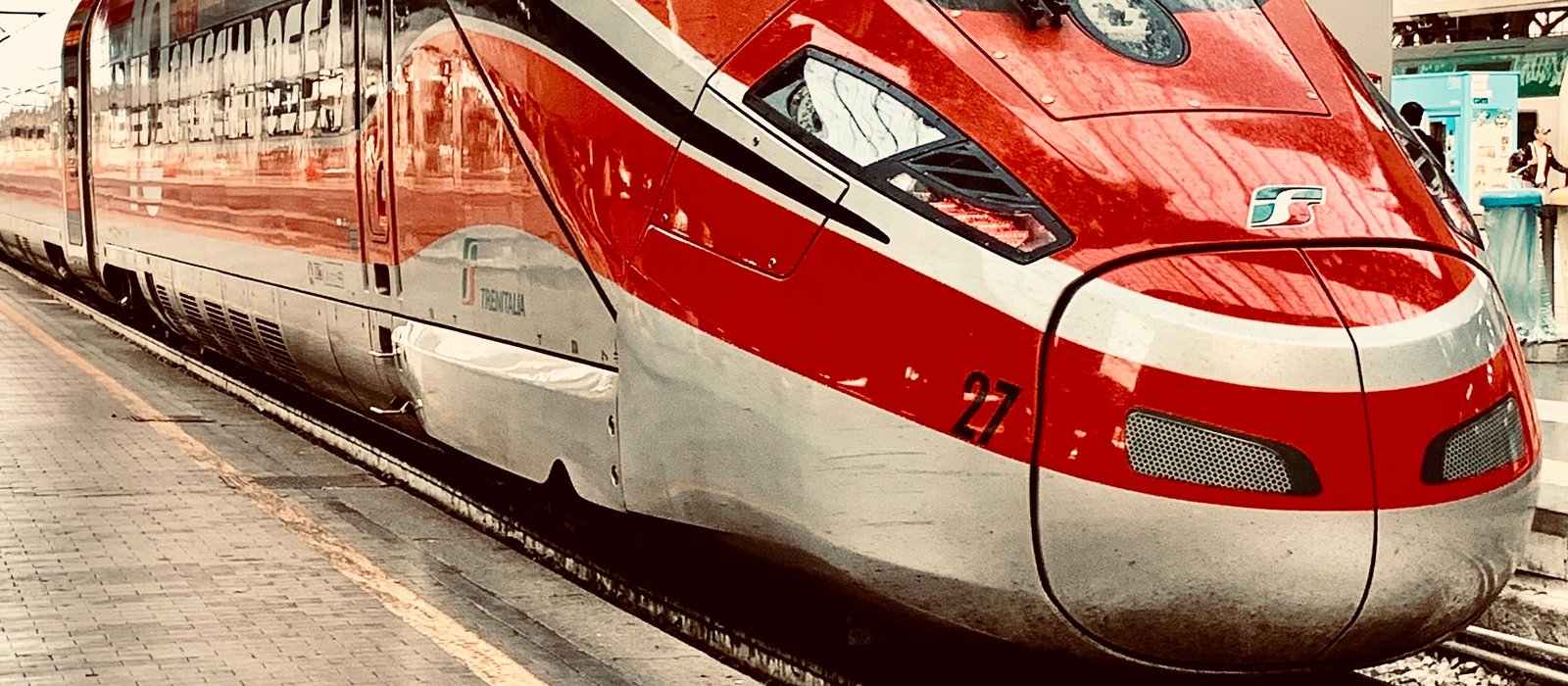
Part of the Leonardo Express's appeal is where it lands you: Roma Termini is the city's transport hub, so arriving there sets up easy onward connections. From Termini you can: - Take Metro Line A or B directly (they cross at Termini) to near your accommodation — Line A for the Spanish Steps (Spagna) or Vatican area (Ottaviano), Line B for the Colosseum (Colosseo). - Grab a taxi from the official rank outside (metered city fare, not a fixed airport rate once you're at Termini). - Catch an onward high-speed train to Florence, Naples, Venice, or Milan — handy if Rome is one stop on a bigger Italian trip; you can roll almost straight from your flight onto a Frecciarossa. - Use city buses and trams from the large interchange out front.
The flip side: Termini is big, busy, and a known pickpocket zone, so keep your luggage close as you navigate it, ignore anyone who approaches offering "help" with bags or tickets (a common hustle), and head straight for your metro/taxi/onward platform. Knowing Termini is your arrival point lets you plan the final leg to your hotel before you even land.