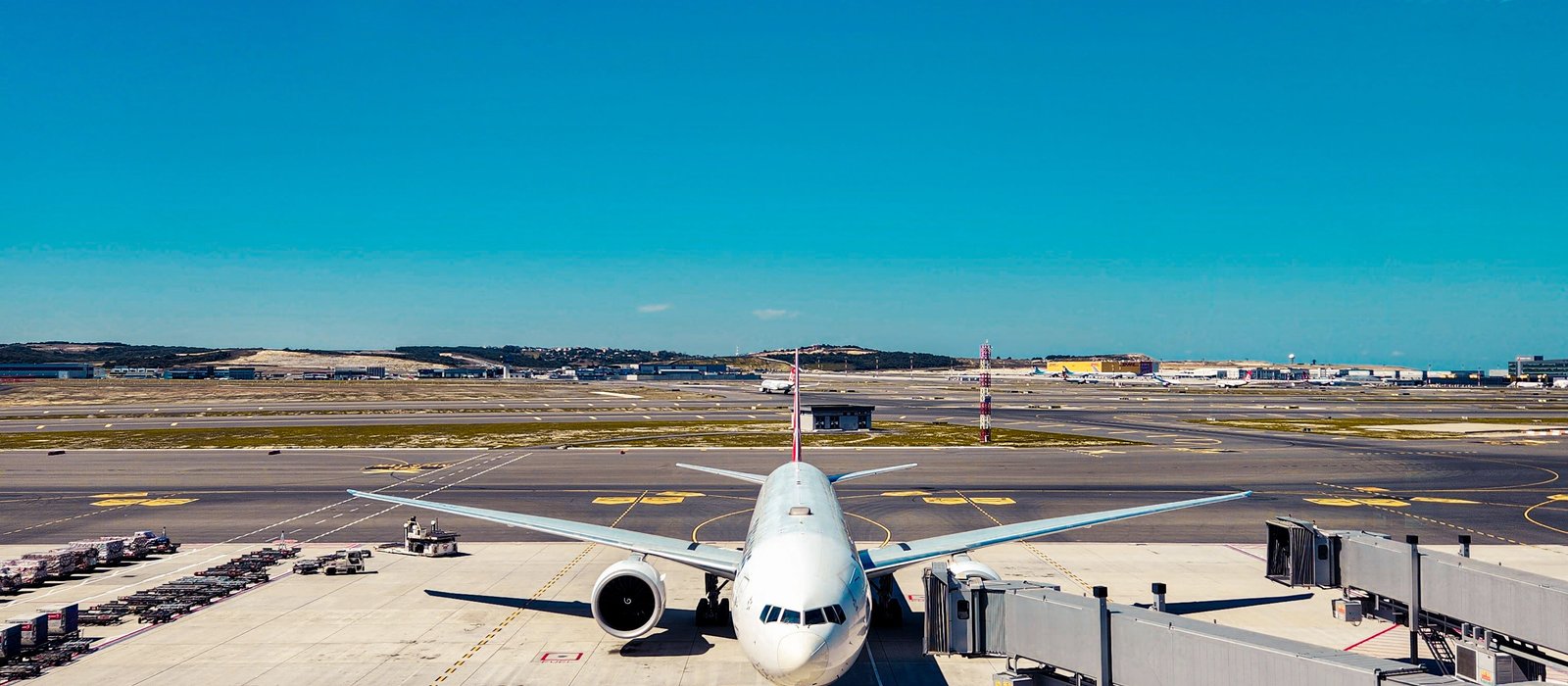
Rome has two airports, and which one you fly into shapes your arrival. Fiumicino (FCO) — officially Leonardo da Vinci — is the big international hub where most visitors land; Ciampino (CIA) is the smaller airport mostly serving budget European carriers like Ryanair. They're on opposite sides of the city with different transport options, so knowing which is which (and the best way into town from each) saves you money and stress on day one. Here's the rundown.
The quick version
- Fiumicino (FCO): Rome's main airport, ~30 km southwest, with the dedicated Leonardo Express train straight to Termini — the easiest, most reliable way in. This is where most long-haul and international flights land.
- Ciampino (CIA): the smaller, southeastern airport, ~15 km out, mostly low-cost airlines. No direct train; you reach the city by shuttle bus or taxi.
If you're booking flights and have a choice, Fiumicino's train connection makes it marginally more convenient — but Ciampino is perfectly manageable too.
Getting in from Fiumicino (FCO)
You've got four main options (covered in depth in our airport-to-city guide):
- Leonardo Express train (the top pick for most). Non-stop to Roma Termini in about 32 minutes, running roughly every 15 minutes from early morning to late evening. A fixed fare (~€14 — check current), bought at machines, counters, or online (not onboard). Fast, traffic-proof, reliable. Best if you're staying near Termini or will connect onward by metro/taxi.
- Regional train (FL1). Cheaper than the Leonardo Express, but it doesn't go to Termini — it stops at other stations (Trastevere, Ostiense, Tiburtina). Good value if one of those is near your accommodation.
- Taxi. A fixed flat fare to anywhere within the historic center (the Aurelian Walls) — check the current set rate (it's posted and regulated). Door to door, best with luggage, a group, or late arrivals. Use only official white taxis from the rank; agree it's the fixed airport fare.
- Shuttle bus (Terravision, SIT, etc.). The cheapest option to Termini, but slower (~50–60 min) and traffic-dependent.
Getting in from Ciampino (CIA)
Ciampino has no direct train, so your options are:
- Shuttle bus (most common). Terravision, SIT, and others run direct buses to Termini in about 40 minutes (traffic-dependent), inexpensive — the standard budget choice.
- Taxi. A fixed flat fare to the center (lower than Fiumicino's, since Ciampino is closer — check the current set rate). Easiest with luggage or a group.
- Bus + train combo. A local bus connects Ciampino to the Ciampino train station or to a metro connection, then onward — cheapest but most steps; usually not worth the hassle over the direct shuttle.
- Private transfer. Pre-booked door-to-door, convenient if you want it sorted in advance.
Which is "better"?
For the traveler, Fiumicino is slightly more convenient thanks to the Leonardo Express — a fast, fixed-time, traffic-free ride to the center is hard to beat. But Ciampino is smaller and quicker to get through, and its shuttle buses are cheap and frequent. You usually don't choose your airport — your flight does (budget European carriers tend to use Ciampino) — so the real question is just knowing the best transfer from whichever you land at. Neither is a problem.
Knowing the airports themselves
A little orientation helps, since the two airports feel very different. Fiumicino (Leonardo da Vinci) is a large, modern international hub with multiple terminals, extensive shops and restaurants, lounges, and all the services you'd expect of a major gateway — but its size means allow extra time for walking between gates, immigration queues (which can be long for non-EU arrivals), and the trek to the train station or taxi rank. Build in buffer on both arrival and departure. Ciampino, by contrast, is small and no-frills — essentially a compact budget-airline terminal. The upside is you get through it fast (short walks, quick to the buses/taxis out front); the downside is fewer amenities, tighter spaces, and it can feel crowded when several budget flights land at once. For departures from Ciampino, you still want to arrive with margin (budget airlines are strict on bag rules and boarding times), but you won't face the sprawl of Fiumicino. Neither airport is difficult — just calibrate your expectations and timing to the one you're using, and know that Fiumicino's scale demands more buffer while Ciampino's simplicity rewards a slightly later arrival.
Practical tips for both
- Use only official taxis — white cars with a meter and a "taxi" sign, from the official rank. Ignore drivers who approach you inside the terminal (a classic scam); the airport-to-center fare is a regulated flat rate, so confirm that's what you're paying (see our scams and taxis guides).
- Buy train/bus tickets before boarding — at machines or counters; validate where required.
- Allow buffer time leaving — for departures, factor traffic (for buses/taxis) or train frequency; arrive at the airport with margin.
- Public transit passes don't cover the Leonardo Express or airport trains — it's a separate ticket.
- Late-night/early arrivals: if you land when trains/buses aren't running (roughly midnight–5 a.m.), a taxi or pre-booked transfer is your option.
- Watch your bags at the airport stations and on shuttles — a known pickpocket/theft spot.
- Set up your phone before you land — an eSIM active on arrival lets you check live train/bus times, summon a ride, and navigate to your hotel without scrambling for airport wifi (see our connectivity guide).
- Know your hotel's nearest station or stop in advance — whether that's Termini (Leonardo Express), a regional-train stop (FL1), or a shuttle drop — so you're not deciding the transfer jet-lagged at the airport.
The bottom line
Rome's two airports each have a clear best route in: from Fiumicino, take the Leonardo Express to Termini (~32 min, every ~15 min, fixed fare) unless a regional-train station or a fixed-fare taxi suits you better; from Ciampino, take a direct shuttle bus to Termini (~40 min) or a fixed-fare taxi. Use only official taxis at either, buy tickets before boarding, and keep an eye on your bags. You rarely pick your airport — but knowing the right transfer from each turns arrival day from stressful to smooth.
Keep planning
Not sure how it all fits together?
Pick your trip length and we'll route a real day-by-day plan.
Build your trip →