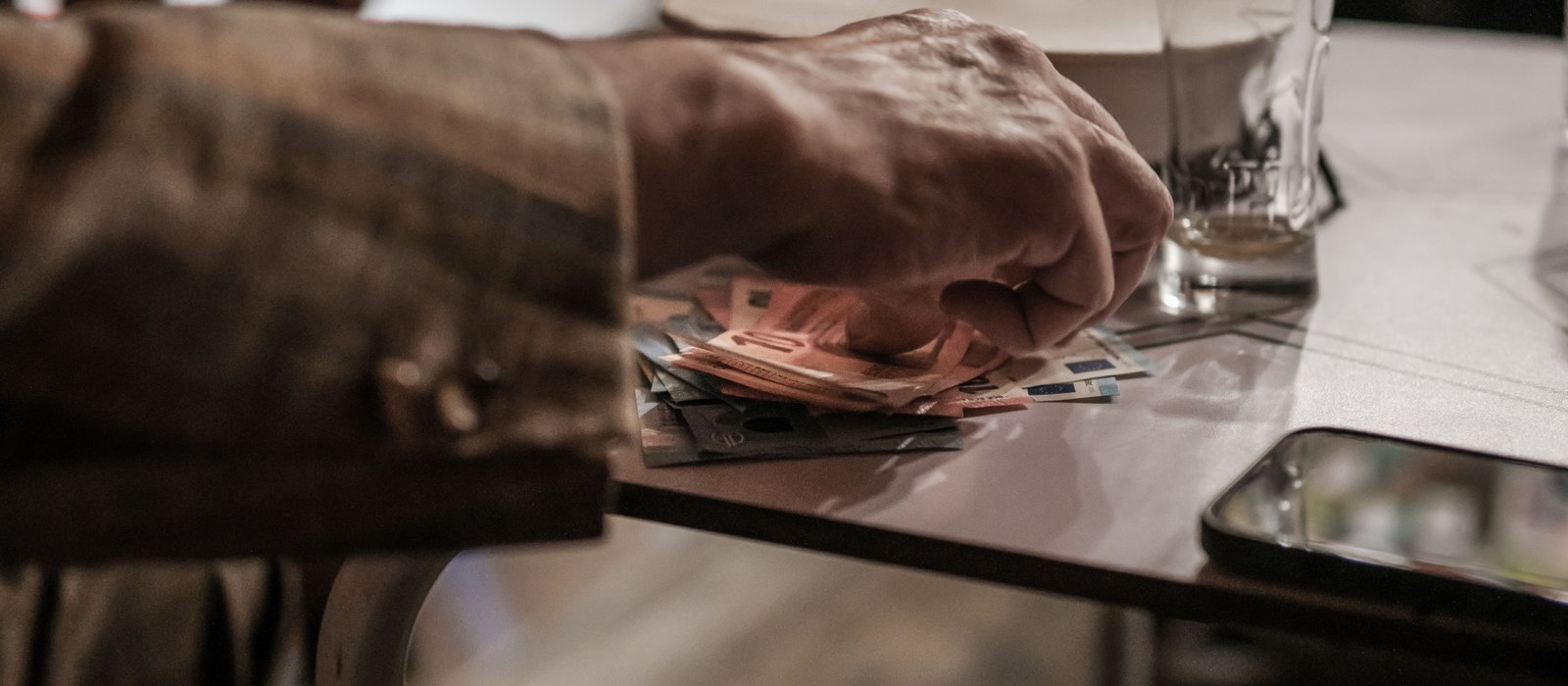
"How much will Rome cost?" is one of the first questions every traveler asks, and the honest answer is: it depends enormously on how you travel — Rome can be done on a backpacker's budget or as a luxury blowout, often on the same street. Rather than quote exact daily numbers (prices and the dollar-to-euro exchange rate shift constantly, so any figure would be stale by your trip), this guide breaks down what you spend money on, where the big levers are, and how to think about budgeting realistically. Always check current prices and the live exchange rate when you actually plan — that's the one rule that keeps a budget honest.
The big picture: where your money goes
A Rome trip's cost is dominated by a few categories, roughly in order of impact:
- Accommodation — usually your biggest single expense, and the one with the widest range.
- Food and drink — controllable, and can be modest or lavish.
- Attractions and tours — the major sights have entry fees, and guided tours add up.
- Transport — generally cheap within Rome; the airport transfer and any day trips cost more.
- The exchange rate and fees — a quiet factor that affects everything.
Get the first three roughly right and you've estimated your trip.
Accommodation: the biggest lever
Where and how you sleep swings your budget more than anything else. Rome offers everything from hostels and budget guesthouses to mid-range hotels and grand five-star properties, and the same dates can vary wildly by neighborhood and season. Two things to know:
- Season matters enormously. Spring and fall (the most popular times) command the highest rates; winter (excluding the holidays) is markedly cheaper.
- Central costs more, but saves on transport and time. A pricier central room can be worth it when it turns your sightseeing into walking. Budget travelers trade location for price; that's a legitimate choice, just factor in the transport and time cost.
Don't anchor to a fixed nightly figure — check current rates for your actual dates and neighborhood.
Food: from a few euros to a feast
Food is where Rome is genuinely flexible. You can eat extremely well without spending much:
- Cheap and excellent: pizza al taglio (pizza by the slice, sold by weight), supplì, a panino, a standing espresso at a bar, gelato. A coffee taken standing at the counter costs a fraction of one served at a table.
- Mid-range: a trattoria dinner with a pasta, a secondo, house wine, and the coperto (cover charge) is the heart of Roman dining and very reasonable by US-city standards.
- Splurge: fine dining and famous-name restaurants, as much as you like.
Two money notes specific to Rome: a coperto (small per-person cover charge) is normal and isn't a tip; and tipping isn't obligatory — rounding up or leaving a euro or two per person is plenty, so you're not adding an American-style 18–20% to every meal. That alone makes dining cheaper than visitors expect.
Attractions: the unavoidable core costs
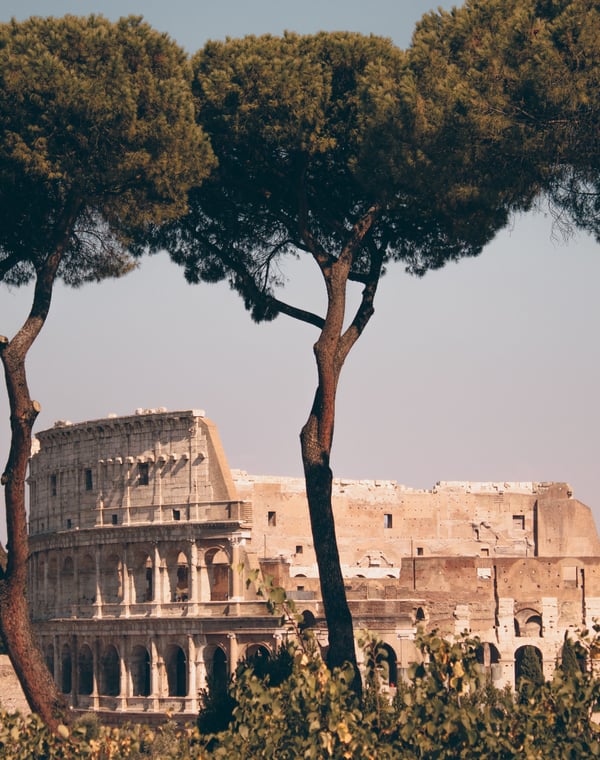
The marquee sights have entry fees, and they're the spending you can't fully avoid on a first visit — the Colosseum/Forum combined ticket, the Vatican Museums, the Borghese, the Pantheon. Individually they're moderate; together over a few days they add up, especially if you add guided tours (the biggest optional variable). Decide where context is worth paying a guide for (the Forum and Vatican reward it) and where a self-guided visit is fine. Note that some state museums are free on the first Sunday of the month (and consequently mobbed), and a few passes can save money if the math fits your itinerary — see our Roma Pass guide.