Money in Rome trips up American visitors in three predictable ways: they tip too much (out of habit), they get quietly overcharged by choosing dollars at the card machine, and they're unsure whether to carry cash at all. None of it is complicated once you know the rules — Italy is card-friendly, tipping is light, and a little cash smooths the edges. This guide covers exactly how to handle cash, cards, ATMs, and the all-important tipping question, so you spend smart and never overpay.
Cards: widely accepted, with a few rules
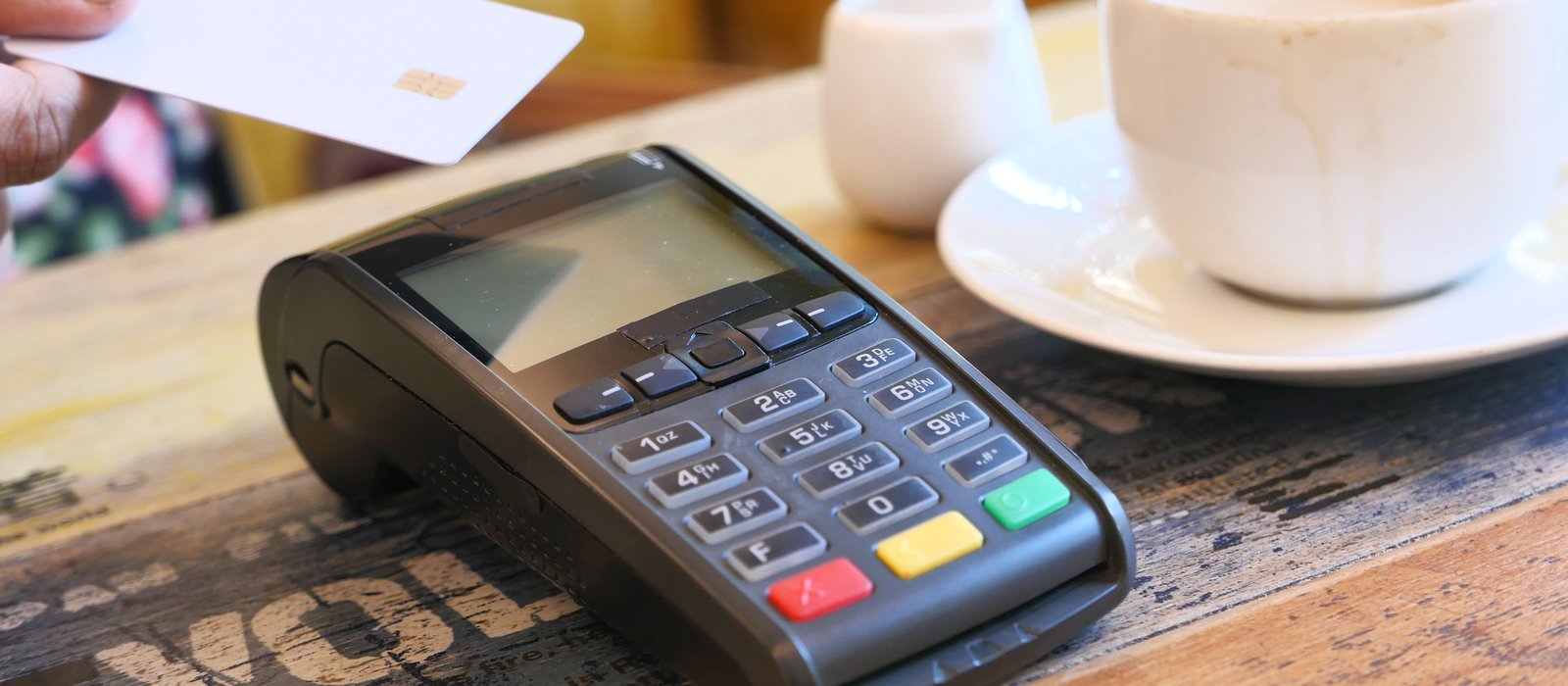
Italy has become very card-friendly — contactless credit and debit cards (and Apple/Google Pay) work nearly everywhere: restaurants, shops, museums, taxis (legally required to accept cards), and transit. A few key rules:
- Always pay in euros, never dollars. When a card machine or ATM asks whether to charge in dollars or euros, choose euros every time. The "convenient" dollar option ("dynamic currency conversion") uses a worse exchange rate and quietly costs you more — sometimes several percent. This is the single most common way Americans overpay in Rome.
- Use a card with no foreign-transaction fee if you have one — it saves ~3% on every purchase.
- Tap to pay works almost everywhere and is the easiest option.
- Tell your bank you're traveling so your card isn't flagged and frozen.
Cash: carry some, but you won't need much
Italy is increasingly cashless, but cash still matters in specific spots:
- Small, family-run trattorias and bars sometimes prefer (or only take) cash.
- The coperto (cover charge), small purchases, markets, and street food.
- Tips (best left in cash — see below).
- Public restrooms, some churches' light boxes (€1 coins for the Caravaggio chapels), and small incidentals.
How much? A modest amount — enough for a few meals, coffees, and incidentals (think a day or two's small spending), topped up as needed. You don't need to carry large sums, and shouldn't (pickpocket risk).
ATMs and getting euros
- Use bank ATMs (Bancomat) attached to actual banks, not the standalone "Euronet"-type machines in tourist areas, which offer worse rates and higher fees.
- Withdraw in euros and decline the dollar-conversion offer (same rule as cards).
- Withdraw larger amounts less often to minimize per-transaction fees (within reason for safety).
- Avoid airport and tourist-strip currency-exchange counters — poor rates; an ATM withdrawal is almost always better.
- Get euros in Rome, not in advance at home (your home bank's exchange counter usually gives a poor rate) — though a small amount of arrival cash is fine for peace of mind.
Tipping: the big one Americans get wrong
Here's the rule that saves you money and embarrassment: tipping in Italy is light and not obligatory. There is no American-style 15–20% expectation. Service staff are paid a regular wage, not a tip-dependent one, so tips are a small gesture for good service, not a duty.
How it actually works:
- Restaurants: Check the bill. A coperto (per-person cover charge) is standard and is not a tip. Sometimes a servizio (service charge) is included — if so, no tip is needed. If not, rounding up or leaving a euro or two per person for good service is generous and plenty. Locals often leave little or nothing beyond rounding.
- Cafés/bars: Leaving a small coin (or the change) is common but optional; many just leave nothing for a standing espresso.
- Taxis: Round up to the nearest euro; no percentage expected.
- Hotels: A euro or two for a porter or helpful housekeeping is a nice gesture, not required.
- Tour guides: A few euros per person for a good guide is appreciated, optional.
Leave tips in cash even when paying the bill by card — card machines here usually don't prompt for a tip the way American ones do, and cash ensures it reaches the server. Don't feel pressured to add 18%; you'll be over-tipping by local standards.
Why tipping is so different here
It helps to understand why Italian tipping is light, because it makes the rule stick. In the US, tipping is effectively mandatory because servers are paid a low base wage and depend on tips to make a living — so a 15–20% tip is really part of their income. In Italy, that's not how it works: restaurant and café staff earn a regular, full wage (it's a normal salaried or hourly job with labor protections), so a tip is a genuine extra for service that pleased you, not a subsidy the worker is counting on. That's why Italians themselves tip so little — often just rounding up or leaving the coins — and why no one will chase you down for a percentage. Understanding this frees you from the American reflex: you're not being cheap by leaving a euro or two, you're tipping exactly as a local would. The coperto you'll see on the bill is also not a tip or a scam — it's a long-standing cover charge for the table setting, bread, and service of sitting down, charged per person and stated on the menu. Once you internalize that staff are fairly paid and the coperto covers the basics, the light-tipping norm makes complete sense.
A quick American cheat-sheet
- Card machine asks dollars or euros? → Euros. Always.
- Tipping a €60 dinner? → Round up or leave a couple euros, not €12.
- Coperto on the bill? → Normal, not a scam, not a tip.
- Need cash? → Bank ATM, decline dollar conversion, modest amounts.
- Currency exchange counter? → Skip it; use an ATM.
The bottom line
Handling money in Rome is simple once you know the rules: Italy is card-friendly (tap to pay nearly everywhere — but always choose euros, never dollars, to avoid the conversion markup), carry a modest amount of cash for small trattorias, tips, and incidentals, and use bank ATMs over tourist machines and exchange counters. Above all, tip lightly — no American percentages; round up or leave a euro or two for good service, in cash. Follow these and you'll avoid the overcharges and over-tipping that catch most American visitors, and your money will go further.
Keep planning
Not sure how it all fits together?
Pick your trip length and we'll route a real day-by-day plan.
Build your trip →