If you ask a Rome regular how long a first visit should be, most will say three days. It's the length where the city finally breathes: two days cover the great pillars — ancient Rome and the Vatican — and the third lets you go beyond the checklist into the Rome that people fall in love with, the neighborhoods, the markets, the art, the long lunches. This is the itinerary we'd give a friend: a realistic, walkable three days that sees the essentials without the death march, and leaves room for the city to surprise you.
Before you start: the bookings and the base
- Book three timed entries in advance: the Colosseum (Day 1), the Vatican Museums (Day 2), and the Borghese Gallery (Day 3). The Borghese especially — it's mandatory-reservation, no walk-ins, and sells out early.
- Stay central so you walk to most of this. With three days, a good base pays off three times over.
Day 1 — Ancient Rome and the historic center
Morning: the ancient core
Colosseum on an early slot, then straight into the Roman Forum and Palatine Hill on the combined 24-hour ticket. About three hours; do this first while you're fresh. A guided tour here is the city's best-value guided experience and handles the timed entry.
Afternoon: Centro Storico on foot
Walk into the historic center for the Pantheon (timed/paid entry now — check current rules), Piazza Navona, and the Trevi Fountain, all minutes apart. Gelato along the way; espresso standing at a bar like a local.
Evening: Trastevere
Cross the river to Trastevere for the first proper Roman dinner — cacio e pepe, carbonara, amatriciana — on a side street away from the busiest squares. Dinner from 8 p.m.
Day 2 — The Vatican and Castel Sant'Angelo
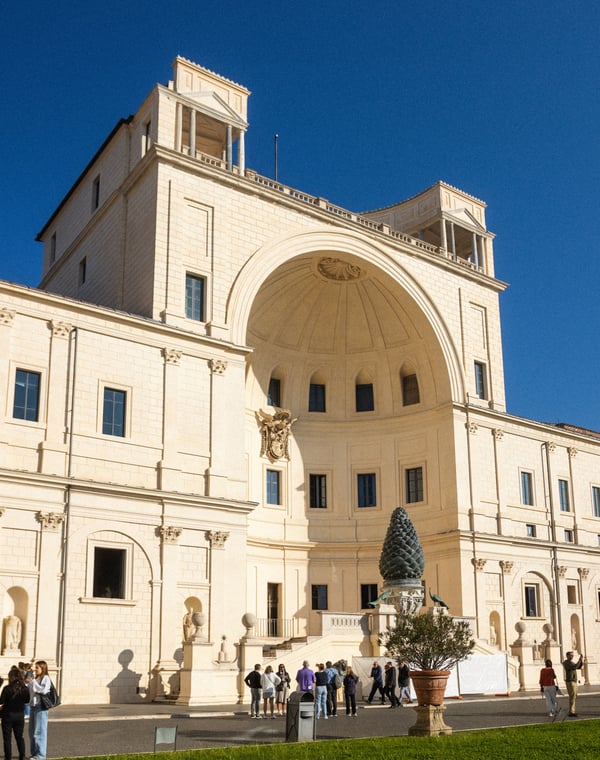
Morning: Vatican Museums and Sistine Chapel
Early booked slot. Through to the Sistine Chapel (included, at the end of the route), prioritizing the Raphael Rooms and Gallery of Maps. Three to four hours; dress code enforced (shoulders and knees covered).
Midday: St. Peter's Basilica
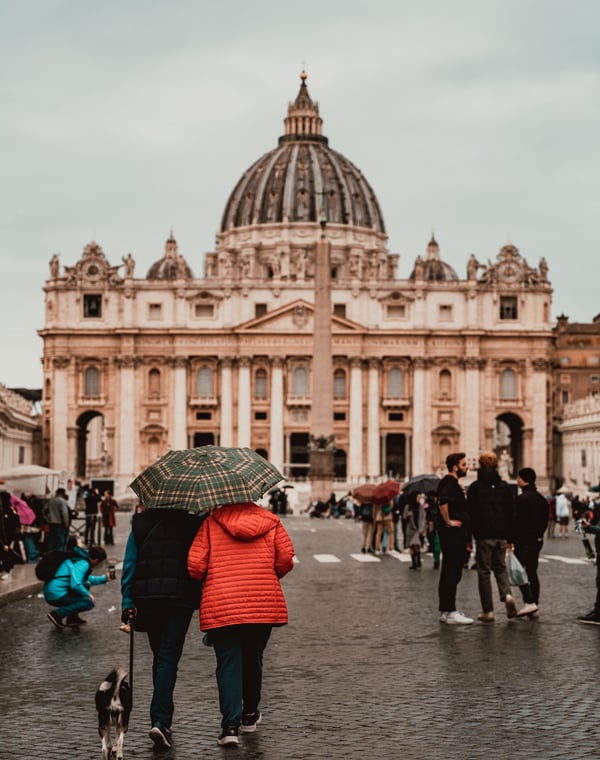
St. Peter's (free entry, security line is the wait): the Pietà, Bernini's baldachin, and the dome climb for the best view in Rome.
Afternoon: Castel Sant'Angelo and Prati
Walk to Castel Sant'Angelo, the riverside fortress-tomb with great ramparts views and the angel-lined bridge, then a relaxed wander or late lunch in elegant Prati.
Evening: dinner in the center
A long dinner back in the Centro Storico, capped with a gelato and a passeggiata through the floodlit piazzas.
Day 3 — Art, neighborhoods, and the real Rome
This is the day the checklist loosens and the city opens up.
Morning: the Borghese Gallery
Your booked Borghese Gallery slot (timed, two hours, no walk-ins). Bernini's Apollo and Daphne, Caravaggio, Raphael — the most intense and least crowded great-museum experience in Rome. Afterward, stroll Villa Borghese park to the Pincio Terrace for a free panorama over Piazza del Popolo.
Afternoon: a food neighborhood
Spend the afternoon where Romans actually eat. Testaccio for the market and the deepest traditional-food roots (and offal, for the adventurous); or the Jewish Ghetto for carciofi alla giudia and the Roman-Jewish kitchen. This is the day to take a food tour or simply graze — supplì, pizza al taglio, artichokes, a long lunch.
Evening: aperitivo and a farewell dinner
Start with an aperitivo — a spritz or local wine with snacks at the early-evening hour Romans treat as a ritual — then a final, unhurried Roman dinner. Toast three good days.
Where to base yourself for three days
With three days you'll want a base that makes both the sightseeing days and the slower third day easy. A few good fits for a first visit: the historic center if the budget allows (walk to Day 1 and Day 3's center options); Monti, central and characterful for a bit less, a short walk from the Forum; or Trastevere if food and atmosphere top your list, accepting a slightly longer hop to the ancient sights. Anchor toward the center/Colosseum side and treat the Vatican as a planned morning rather than a doorstep. Wherever you land, prioritize location over room size — on a three-day trip, minutes saved walking add up to a whole extra sight.
How to flex this plan
- Different interests, easy swaps: not into Baroque art? Trade the Borghese morning for a half-day trip to Ostia Antica (ancient port ruins, close and uncrowded — Pompeii's quieter cousin) or Tivoli's villas and water gardens. Prefer wandering to museum-hopping? Add a second neighborhood — Monti near the Forum, or the Appia Antica for ancient road and catacombs — in place of one indoor stop.
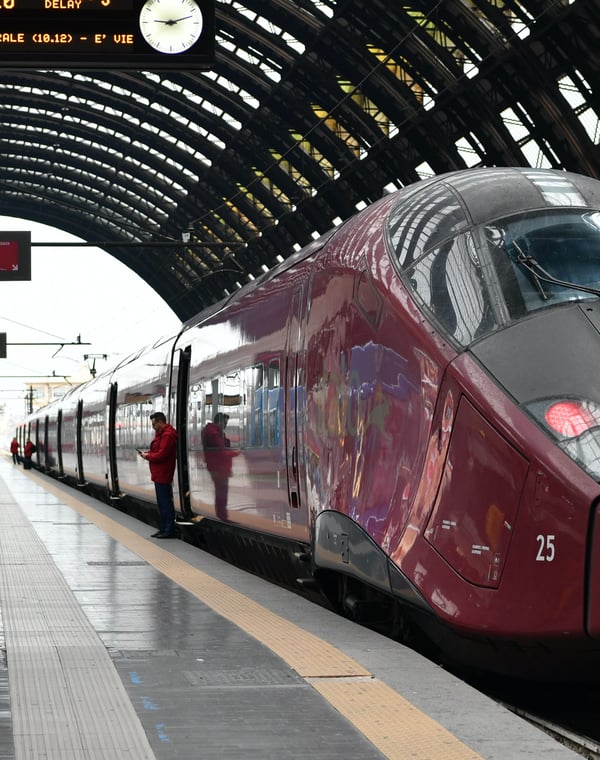
- With a fourth day, this is also the natural point to add a bigger day trip — Pompeii being the standout, reachable by high-speed train via Naples.
- Traveling with kids or in summer heat? Front-load the mornings, build in a midday break (gelato, a shaded piazza, a rest at the hotel), and resume in the cooler late afternoon. The Borghese's two-hour cap actually suits shorter attention spans well.
- Don't over-schedule. The third day's whole value is its slower pace; resist filling every hour.
A few practical reminders
- Wear real shoes, carry water (free nasoni fountains everywhere), and pace the walking.
- Mind petty theft in the crowds — Level 2 "exercise increased caution," essentially pickpocketing in tourist crushes and on transit.
- Dinner is late, the coperto is normal, tipping is light (round up or a euro or two; no American percentage).
- No cappuccino after lunch if you'd rather not flag yourself as a tourist — espresso is the move.
The bottom line
Three days is the ideal first visit: ancient Rome and the historic center on Day 1, the Vatican and Castel Sant'Angelo on Day 2, and the Borghese plus a food neighborhood and aperitivo on Day 3. Pre-book the Colosseum, Vatican, and Borghese, stay central, keep the third day loose, and you'll see all the essentials and taste the lived-in city behind them — the version of Rome that makes people start planning their return before they've even left.
Keep planning
Not sure how it all fits together?
Pick your trip length and we'll route a real day-by-day plan.
Build your trip →