One day in Rome is not enough — every guide will tell you that, and they're right. But plenty of Americans pass through on a cruise stop, a layover, or a tight multi-city itinerary, and the question isn't "should you," it's "how do you make one day count?" The answer is a tight, walkable route that hits the essentials without leaving you defeated by 2 p.m.
This is a realistic single day: ancient Rome in the morning, the historic center on foot in the afternoon, and a Trastevere dinner to end on the city's best note. It assumes you can walk a fair amount and that you've pre-booked your Colosseum entry — the one reservation that can sink the whole day if you skip it.
Before you start: three rules for a one-day visit
- Book the Colosseum in advance. It runs on timed entry; showing up to buy on the day in high season can cost you hours. Get the earliest slot you can.
- Stay central if you can. Where you sleep decides how much of your single day you spend in transit. A base in or near the historic center means you walk to most of this — no Metro math, no wasted time.
- Wear real shoes and pack light. This is a walking day over cobblestones and ancient stone. Leave the bag at the hotel.
Morning: Ancient Rome (roughly 8:30 a.m.–12:30 p.m.)
Start at the Colosseum on an early slot, before the buses arrive. Give it about an hour. Then walk straight into the adjacent Roman Forum and Palatine Hill — all three are on one combined 24-hour ticket, so there's no second purchase to make. The Forum is the civic heart of ancient Rome; the Palatine above it is where the emperors lived, with the day's best free views.
This cluster is the single densest concentration of must-see ancient Rome, and doing it first means you tackle the most demanding walking while you're fresh. Budget three hours for the three sites together and don't rush the Forum — it's the part that turns "old ruins" into the story of an empire.
If you'd retain more with context, an early small-group tour of this cluster is the highest-value guided experience in the city, and it handles your timed entry for you.
Midday: walk to the Pantheon (roughly 12:30–2:00 p.m.)
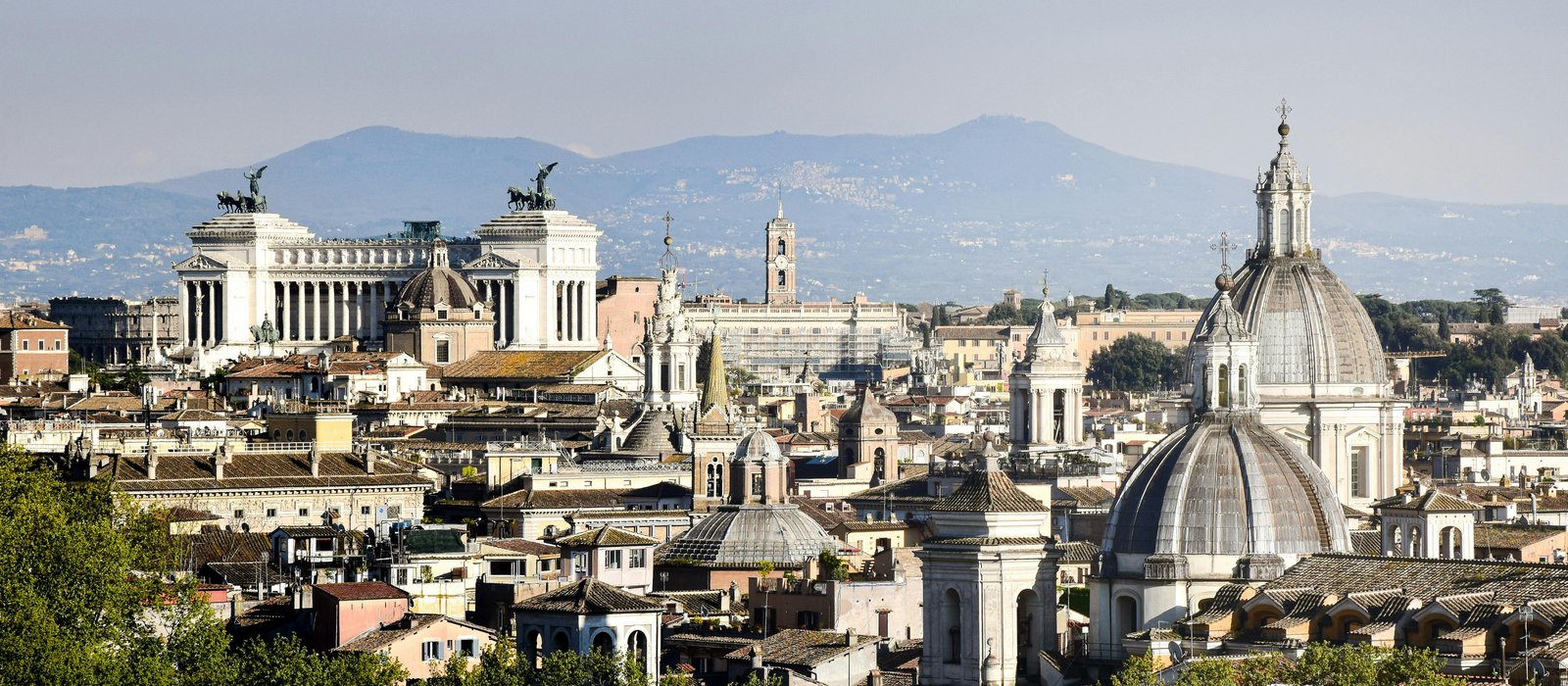
From the Forum, head into the historic center (Centro Storico) on foot — it's a pleasant 15–20 minute walk and the transition from ancient ruins to living city is part of the experience. Grab a quick lunch on the way, but step a block off the main tourist drag to avoid the worst tourist-trap menus (a good rule anywhere in central Rome).
Your anchor here is the Pantheon — the best-preserved building from antiquity anywhere, with a dome that has stood for nearly two thousand years. Note that the Pantheon now has a timed/paid entry ticket; check the current rules and price when you go, as they were introduced relatively recently.
Afternoon: the great piazzas on foot (roughly 2:00–5:00 p.m.)
The historic center is made for wandering, and the highlights are minutes apart:
- Piazza Navona — a Baroque masterpiece of a square built over an ancient stadium, anchored by Bernini's Fountain of the Four Rivers.
- The Trevi Fountain — go knowing it will be crowded; the trick is to accept the crowd or come back at the very end of the day. Toss the coin, take the photo, move on.
- The Spanish Steps — a short walk north; just don't sit on them (it's fined).
This stretch is light on logistics and heavy on atmosphere — exactly what you want when your feet are starting to feel the morning. Stop for a gelato (look for natural colors and covered tubs, a sign of the real thing) and an espresso standing at a bar like a local.