Less than an hour from Rome, the hill town of Tivoli holds two of the most spectacular villas in Italy — and they're nothing alike. Hadrian's Villa (Villa Adriana) is the sprawling country estate of an emperor, a vast complex of ruined palaces, pools, and baths; Villa d'Este is a Renaissance pleasure garden famous for its hundreds of fountains tumbling down a terraced hillside. Seeing both in a day is one of the best escapes from the city — but it takes a little planning, because the two villas aren't actually next to each other. Here's how to do it well.
The two villas (and why the distinction matters)
This is the single most important thing to understand before you go: the two great villas are in different places.
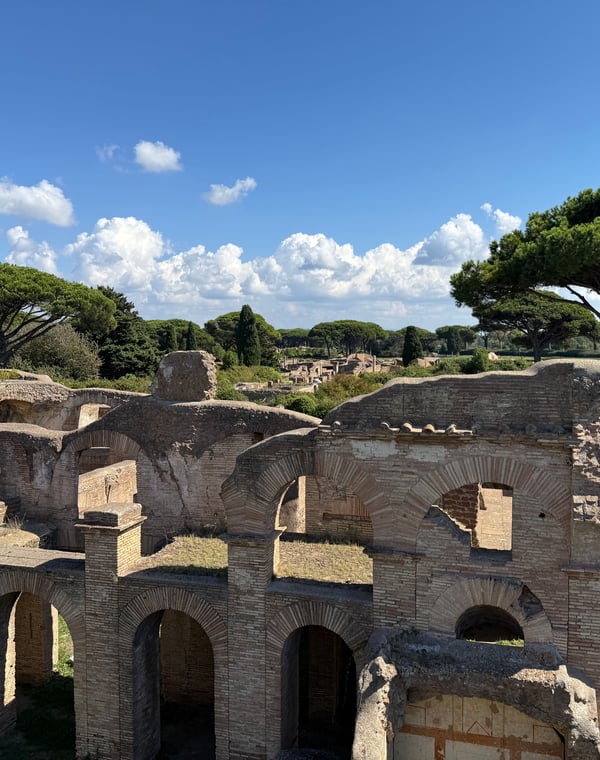
- Hadrian's Villa (Villa Adriana) sits about 5 km outside the town center, down in the valley. It's the larger, more time-consuming visit — the enormous 2nd-century AD estate the emperor Hadrian built for himself, with the iconic Canopus reflecting pool, ruined baths, libraries, and theaters spread over a huge site. Budget at least two hours and a lot of walking.
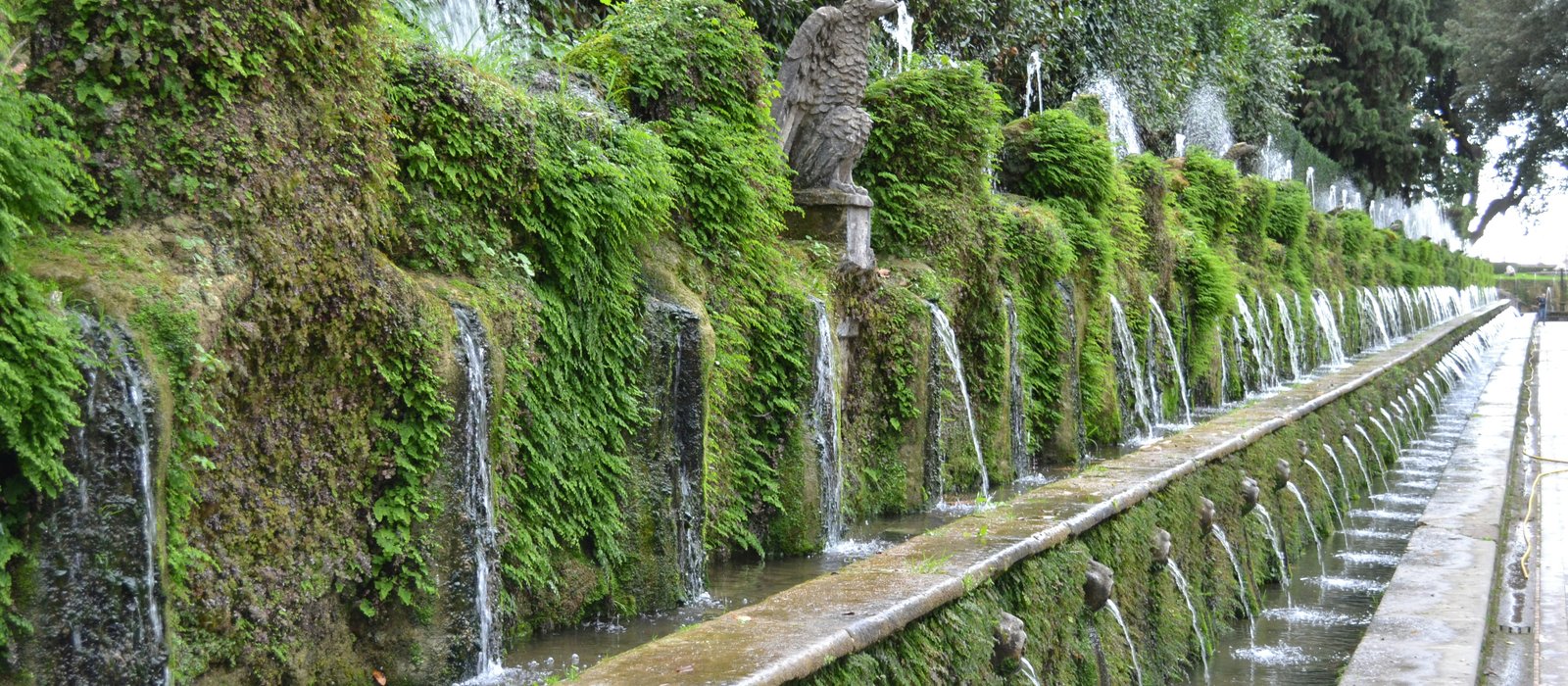
- Villa d'Este is in the town center itself, an easy walk from the main square. It's the 16th-century cardinal's villa whose terraced gardens are a UNESCO World Heritage Site, packed with elaborate fountains, grottoes, and water features (the Hundred Fountains, the Organ Fountain). Budget a couple of hours.
Because they're ~4–5 km apart, you can't simply walk between them — you'll need a local bus, taxi, or a tour that handles the transfers. Plan that connection in advance or you'll lose time and patience.
Getting there from Rome
A few ways, depending on which villa you're prioritizing:
- Regional train from Roma Termini or Roma Tiburtina to Tivoli station (around an hour). Tivoli's station is at the bottom of the hill, so reaching the town center (and Villa d'Este) means a ~15–25 minute uphill walk or a short local bus. Good if the town and Villa d'Este are your focus.
- Cotral bus from Ponte Mammolo (on Metro Line B) — roughly 50 minutes, and some routes drop closer to the sights. Often the more convenient option for Hadrian's Villa.
- For Hadrian's Villa specifically, a metro-plus-bus combination can be quicker than the train, since the train station isn't near it. Check current Cotral routes to Villa Adriana before you go.
Whichever you choose, confirm current schedules and buy return tickets too. A guided day tour is the zero-logistics option — it handles all the transfers between the two villas, which is the part independent visitors find fiddly.
A little history (it makes the visit richer)
Knowing the backstory turns the two villas from pretty ruins and gardens into something more vivid. Hadrian's Villa was built in the 2nd century AD by the emperor Hadrian — the same cultured, well-traveled emperor behind the Pantheon's current form — as a retreat where he recreated, in architecture, the places that had moved him across the empire (an Egyptian canal at the Canopus, Greek-inspired porticoes, and more). It was effectively a small imperial city, and what survives is only a fraction of its original sprawl. Villa d'Este, more than a millennium later, was commissioned in the 16th century by Cardinal Ippolito d'Este, who — disappointed in his ambitions for the papacy — poured his energy into building the most spectacular pleasure garden of the Renaissance, engineering the hillside so that gravity alone powers its hundreds of fountains (no pumps, then or now). So you're seeing two very different men's idea of paradise, built 1,400 years apart on the same hillside — imperial nostalgia and Renaissance showmanship.