Two days in Rome is the sweet spot for a first visit on a tight schedule: enough to see the two great pillars — ancient Rome and the Vatican — without the forced march of trying to cram it all into one. You won't see everything (no one does), but you'll hit the essentials at a human pace and still have evenings to enjoy the city rather than just survive it. Here's a realistic, walkable two-day plan built around the two reservations that matter most.
Before you start: two bookings and one choice
- Book your Colosseum entry (timed) and your Vatican Museums entry (timed) in advance. These are the two reservations that, skipped, can wreck a two-day visit in high season.
- Stay central. With only two days, where you sleep decides how much time you lose to transit. A base in or near the historic center means you walk to most of Day 1 and reach the Vatican easily on Day 2.
Day 1 — Ancient Rome and the historic center
Morning: the ancient core
Start at the Colosseum on an early timed slot, then walk straight into the adjacent Roman Forum and Palatine Hill — all three are on one combined 24-hour ticket. This is the single densest concentration of must-see ancient Rome, and doing it first means tackling the most demanding walking while you're fresh. Budget about three hours, and don't rush the Forum — it's the part that turns ruins into the story of an empire.
A guided small-group tour of this cluster is the city's highest-value guided experience and handles your timed entry for you, if you'd retain more with context.
Afternoon: the historic center on foot
Walk into the Centro Storico. Grab a quick lunch a block off the main drag, then string together the great sights, all minutes apart: the Pantheon (the best-preserved building from antiquity — note it now has a timed/paid entry; check current rules), Piazza Navona (Bernini's fountains), and the Trevi Fountain (crowded at any hour; accept it, toss the coin, move on). Stop for a gelato along the way using the display-case test.
Evening: Trastevere
Cross the river to Trastevere as the lamps come on. Wander the cobbled lanes, then settle into a trattoria for the Roman classics — cacio e pepe, carbonara, amatriciana. Remember dinner runs late here; aim for 8 p.m. or after.
Day 2 — The Vatican
Morning: Vatican Museums and the Sistine Chapel
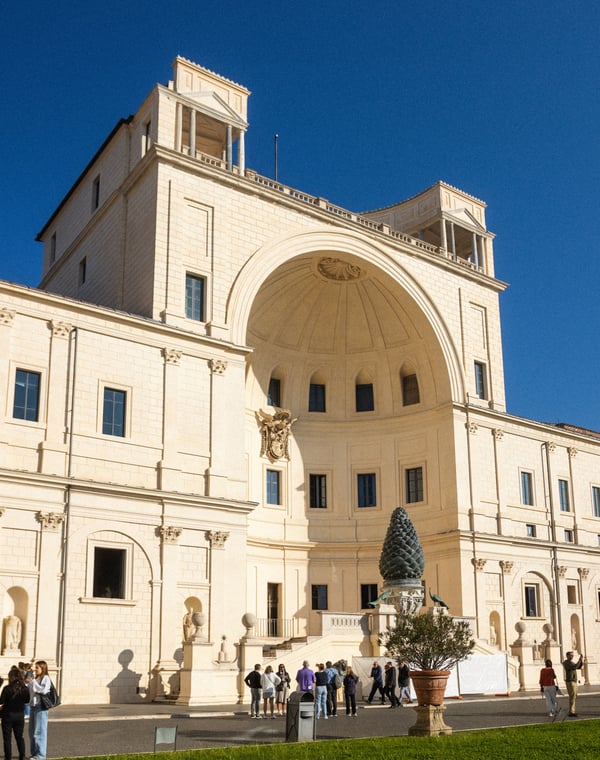
Go early on your booked slot. Work through to the Sistine Chapel (included in your ticket — there's no separate one; it's at the end of the route). Prioritize the Raphael Rooms and the Gallery of Maps on the way rather than trying to see all 1,400 rooms. Budget three to four hours, and dress to code: covered shoulders and knees, enforced.
Midday: St. Peter's Basilica
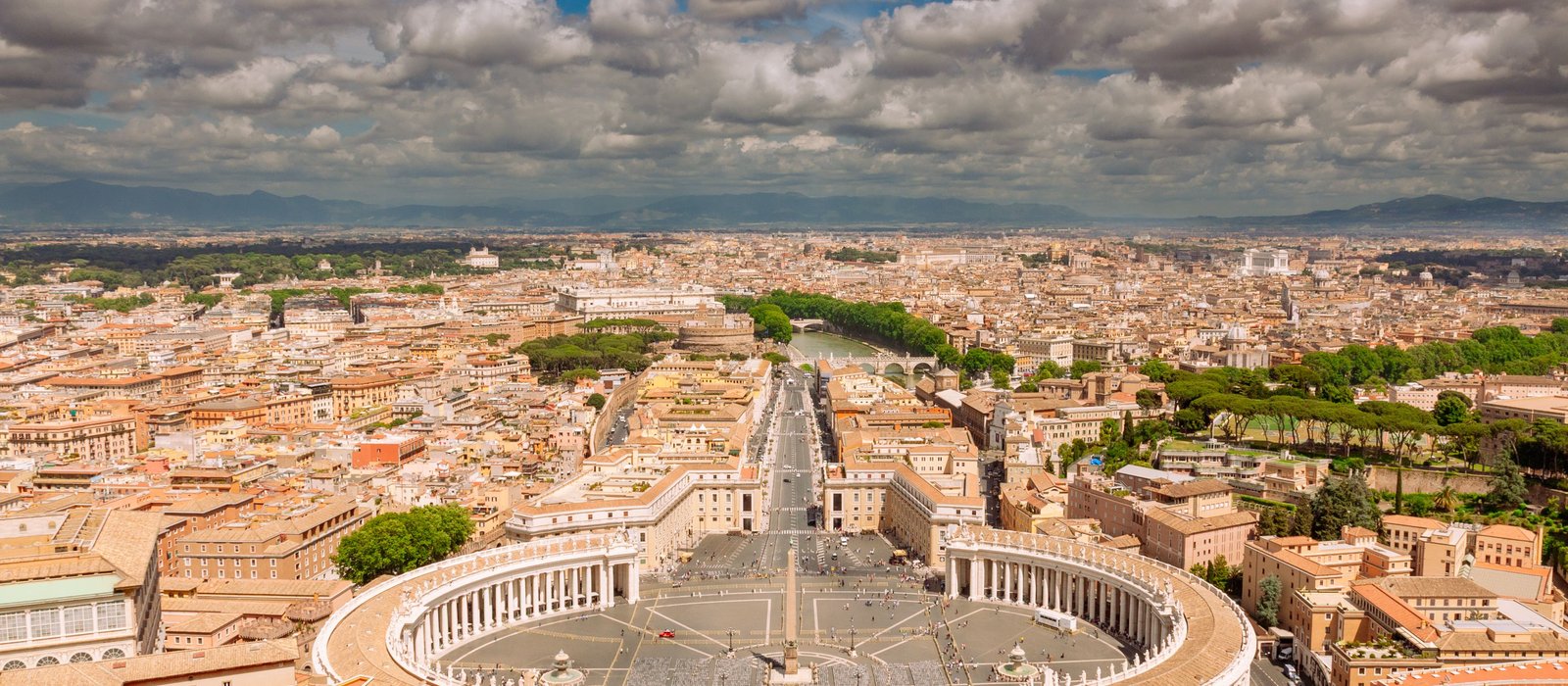
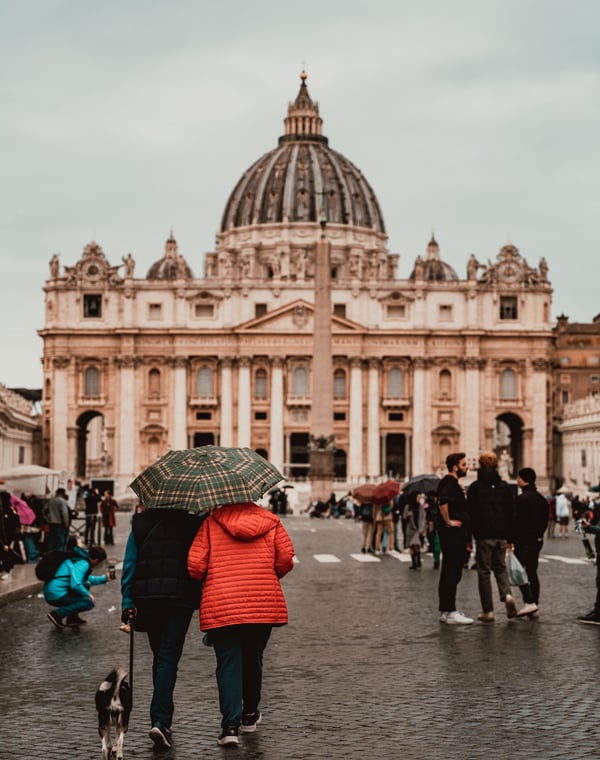
From the museums — or after walking around to St. Peter's Square — visit St. Peter's Basilica (free to enter; the security line is the wait). See Michelangelo's Pietà and Bernini's baldachin, and if your legs are willing, climb the dome for the best panorama in Rome. The same dress code applies.
Afternoon: a neighborhood and a breather
After a Vatican morning you'll want a slower afternoon. Options: stroll elegant Prati for lunch; walk to Castel Sant'Angelo for the riverside views and the bridge of angels; or head back across the river to rest before dinner. Don't stack another major monument here — you've earned a gentler pace.
Evening: dinner in the center or the Ghetto
Spend your last evening over a long Roman dinner — the Jewish Ghetto for carciofi alla giudia and Roman-Jewish classics, or back in the Centro Storico. End with a gelato and an evening passeggiata through the floodlit piazzas.
Smart timing tips for a tight two days
A few specifics that protect a two-day plan from falling apart:
- Book the earliest entry slots you can for both the Colosseum (Day 1) and the Vatican (Day 2). Early means cooler, calmer, and it banks you time for the rest of the day.
- Don't cross the city twice. Each day is built to flow in one direction — ancient core into the center on Day 1, the Vatican cluster on Day 2 — so you're not doubling back on transit.
- Check closing days. The Vatican Museums are closed most Sundays (open, free, and mobbed the last Sunday of the month); the Borghese and some sights close Mondays. Line your two days up with what's actually open.
- Keep one fallback. Rain or tired feet happen — the Pantheon, a long lunch, or a church (free, and Rome's are extraordinary) make easy low-effort swaps without derailing the plan.
A few honest realities
- You're skipping things on purpose. The Borghese Gallery, Rome's neighborhoods, and the great food districts deserve a third day — this plan trades them for a sane pace on the two essentials. (If you have a third day, see our Rome in 3 Days plan.)
- Don't add a day trip. Pompeii, Tivoli, and the rest need their own day; squeezing one into a two-day Rome trip means doing everything badly.
- Rome is safe but pickpockets work the crowds. It's a Level 2 "exercise increased caution" destination mainly for petty theft — keep your bag zipped around the Colosseum, Trevi, the Vatican, and on transit.
- Wear real shoes and carry water. Both days are heavy on walking over cobbles and ancient stone; refill at the free nasoni fountains.
The bottom line
Two days in Rome works beautifully if you give each pillar its own day: ancient Rome plus the historic center on Day 1, the Vatican on Day 2, with Trastevere and a Ghetto or center dinner to close each evening. Pre-book the Colosseum and Vatican, stay central, skip the day trips, and let the pace stay human. You'll leave having truly seen Rome's essentials — and with a list saved for next time.
Keep planning
Not sure how it all fits together?
Pick your trip length and we'll route a real day-by-day plan.
Build your trip →