Picking the right neighborhood is the most important booking decision you'll make for Rome, and it matters more here than in most cities. Rome's historic core is walkable, but it's also large, and the difference between a great base and a frustrating one is whether you can stroll to dinner and the major sights or whether you're fighting transit every evening. For a first visit, the goal is simple: stay central, stay walkable, and pick the trade-off between charm and price that fits you.
This guide breaks down the neighborhoods first-timers actually consider, who each one suits, and the honest downsides nobody mentions until you've already booked.
The short answer
If you want the simplest possible recommendation: for a first visit, base yourself in or near the historic center (Centro Storico) so you can walk to most of what you came for. If that's beyond your budget, Monti gives you central-and-characterful for less, and the Trastevere side delivers atmosphere and great food. Everything below is the nuance behind that.
Centro Storico — the walk-everywhere choice
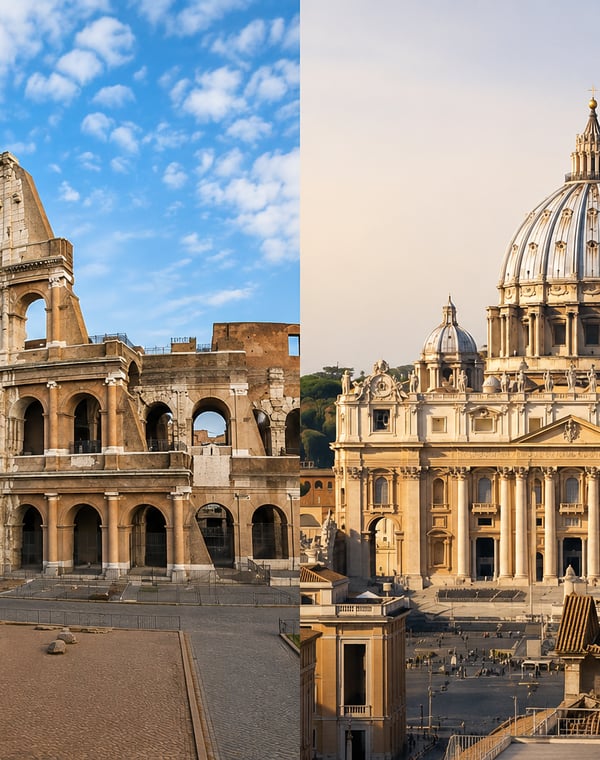
The historic center puts you within strolling distance of the Pantheon, Piazza Navona, the Trevi Fountain, and a short walk from the river and Trastevere beyond. You step out of your hotel into the Rome of postcards, and you almost never need transit.
- Best for: first-timers who want to walk everywhere and don't mind paying for the privilege.
- The trade-off: it's the priciest area, rooms tend to be small, and the most central streets can be noisy at night. You're paying for location, and the location is genuinely worth it on a first trip — but go in knowing the rooms won't be spacious.
Monti — central and cool for less
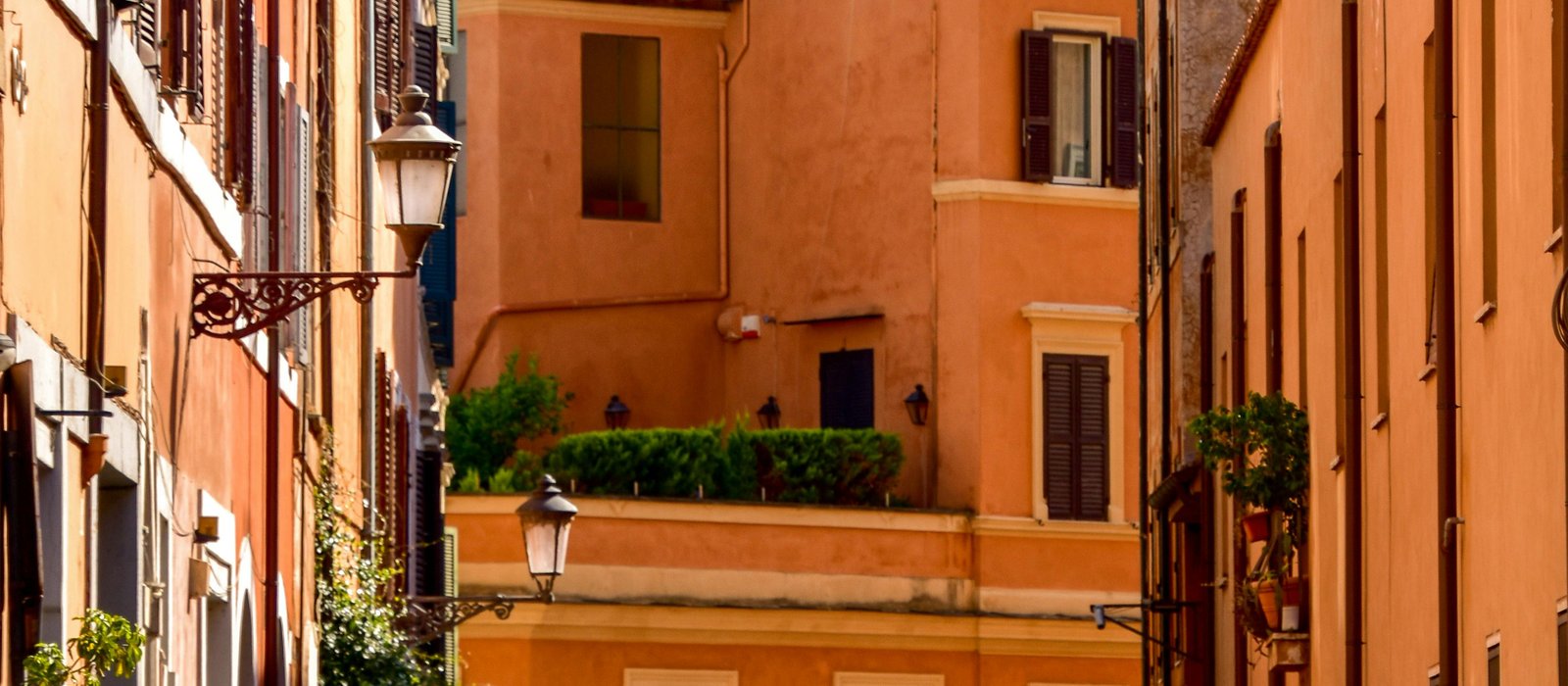
Tucked between the Colosseum and the main station, Monti is a genuinely local-feeling neighborhood of wine bars, boutiques, and narrow lanes — central enough to walk to ancient Rome, but with lower prices and more personality than the tourist core.
- Best for: travelers who want atmosphere and a real-neighborhood feel without the top-tier price, and who like being a short walk from the Forum and Colosseum.
- The trade-off: it's lively in the evenings, so light sleepers should ask about the room's position.
Trastevere — atmosphere and the best food
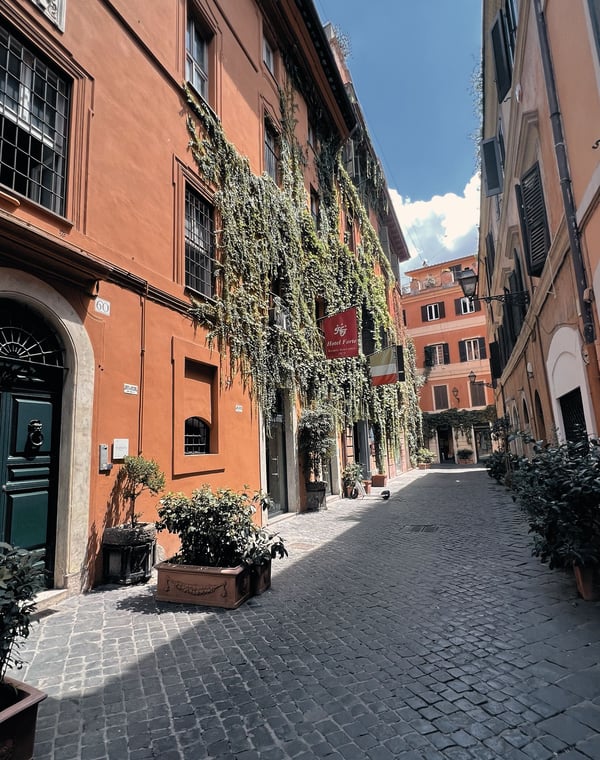
Across the Tiber, Trastevere is the cobblestoned, ivy-draped Rome that people fall in love with — and it's the city's standout neighborhood for classic Roman dinners. Staying here means rolling out of bed into the most charming evening scene in the city.
- Best for: travelers who prioritize ambiance and food, and don't mind a 20-minute walk or short tram to the ancient-Rome sights.
- The trade-off: it's nightlife-lively (read: noisy on weekends), and you're a bit further from the Colosseum/Forum cluster than a center base.
Prati — calm, elegant, and best for the Vatican
North of the river near the Vatican, Prati is an upscale, orderly residential district of wide streets and good restaurants — quieter than the center and ideal if the Vatican is high on your list.
- Best for: travelers who want calm, elegant streets and easy Vatican access, or who find the historic center too hectic.
- The trade-off: it's a little removed from ancient Rome, so you'll use the Metro or longer walks to reach the Colosseum side.
Near Termini — convenient, less charming
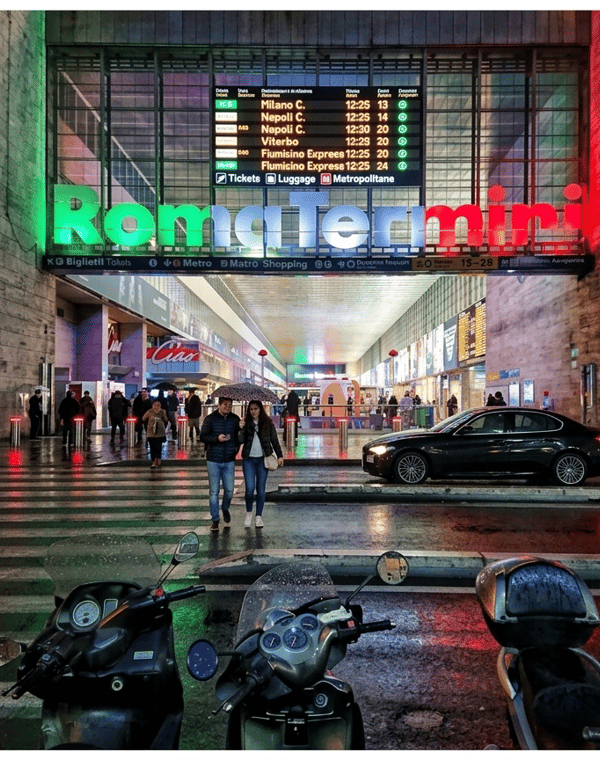
The area around the main train station, Termini, is the budget-and-transport-convenience choice: you're at the hub of the Metro and the airport trains, with the city's cheapest rooms.
- Best for: budget travelers, very short stays, or anyone arriving and leaving by train who values being on top of the transit hub.
- The trade-off: it has the least charm of these options and parts of it feel more functional than romantic. Fine for a night; not where you'd want to spend a week if charm is the point.
Colosseum side vs. Vatican side — the one real decision
If you boil it down, the big choice is which half of the center you anchor to. The Colosseum side (Monti, the historic-center east) puts ancient Rome on your doorstep; the Vatican side (Prati) puts St. Peter's and the museums close and keeps you calmer. First-timers who want to walk to the most sights generally do better anchored toward the center/Colosseum side, with the Vatican as a planned half-day trip rather than a doorstep.
How far ahead should you book?
Rome's best-located and best-value properties — especially the small, characterful places in the center, Monti, and Trastevere — book up early, particularly for spring and fall, which are the most popular times to visit. If your dates are fixed and you have a neighborhood in mind, booking well ahead gets you the better rooms at better prices; leaving it late in high season tends to mean either compromising on location or paying a premium. Many properties offer free cancellation up to a point, so reserving early and adjusting later is often the safest play.
A note on price expectations: Rome runs the full range from budget guesthouses to grand five-star hotels, and what you pay swings hard by season. Rather than anchoring to a fixed nightly figure, check current rates for your dates — spring and fall run well above the quieter winter months, and big religious events can spike them further.
Apartment or hotel?
For a short first visit, a hotel usually wins on convenience: daily housekeeping, a front desk for questions and luggage, and an easy check-in after a long flight. Apartments come into their own for longer stays, families, or travelers who want a kitchen and more space. If it's your first time and you're staying under a week, lean hotel; if you're settling in for a week-plus or traveling as a family, an apartment in a central neighborhood can be both roomier and better value.
Practical booking tips
- Book central, accept smaller rooms. In Rome's core, location beats square footage on a first trip. A small room you walk out of into the Pantheon's piazza beats a big room a transit ride away.
- Check the actual walking distance, not the neighborhood name. "Central" covers a lot of ground; look at where the property actually sits relative to where you'll spend your days.
- Ask about noise if you're a light sleeper, especially in Monti and Trastevere — request a courtyard-facing or upper-floor room.
- Watch for the city tourist tax, a per-night accommodation charge that varies by the property's star rating and is usually capped at the first several nights of your stay. It's collected at the property (often in cash at check-in or check-out), separate from your room rate — normal and small, just budget for it.
The bottom line
For a first visit, stay where you can walk: the historic center if the budget allows, Monti for central-and-characterful-for-less, or Trastevere if food and atmosphere top your list. Anchor toward the Colosseum side to put the most sights within reach, treat the Vatican as a planned outing, and prioritize location over room size. Get the neighborhood right and Rome feels effortless; get it wrong and you'll spend your evenings commuting instead of wandering.
Keep planning
Not sure how it all fits together?
Pick your trip length and we'll route a real day-by-day plan.
Build your trip →