Packing for Rome is mostly common sense plus a few city-specific essentials that first-timers forget — the scarf that gets you into churches, the genuinely comfortable shoes the cobblestones demand, and the right layers for a climate that can swing 15 degrees in a single day. Pack smart and you'll be comfortable, covered for every situation, and unburdened by a giant suitcase you have to haul up a fourth-floor walk-up. This guide covers the year-round essentials and what changes season by season.
The year-round essentials (pack these whenever you go)
No matter the season, these belong in every Rome bag:
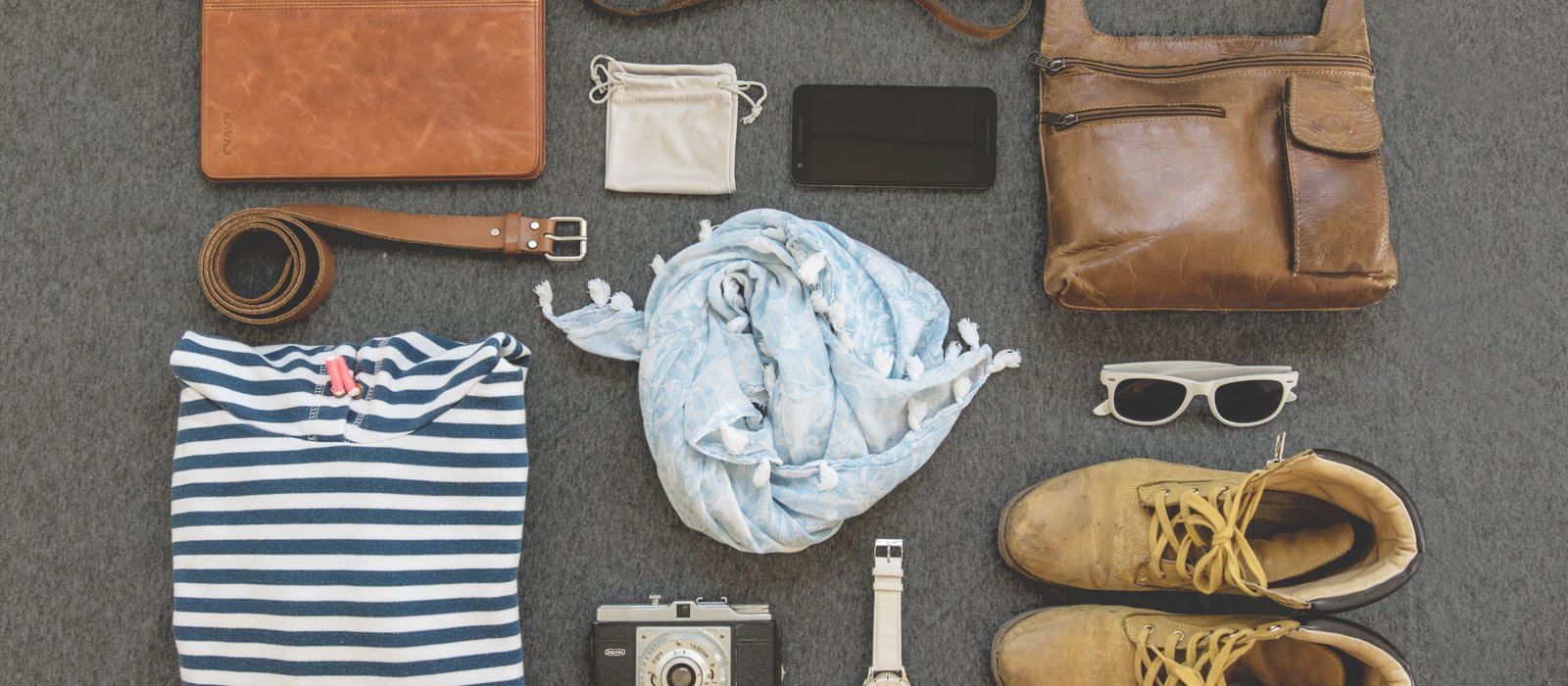
- Comfortable, broken-in walking shoes — the single most important item. The cobblestones and the miles of walking demand real footwear; never bring new shoes.
- A light scarf or shawl — covers shoulders for churches (St. Peter's, the Vatican, and most churches require covered shoulders and knees), adds warmth, and looks Roman. The most useful small item you'll pack.
- A crossbody or zippered day bag worn in front — practical and pickpocket-resistant.
- A refillable water bottle — Rome's free nasoni fountains run cold, clean drinking water all over the city; fill up and save money.
- A portable phone charger / power bank — you'll lean on your phone for maps, tickets, and photos all day.
- A universal/EU plug adapter — Italy uses Type C/F/L plugs and 230V; bring an adapter (and check your devices handle 230V, which most modern electronics do).
- Sunglasses and a basic first-aid/meds kit — plus any prescriptions in original packaging.
- Photocopies/photos of your passport and travel documents, stored separately.
Summer (June–August): hot and sunny
Rome summers are genuinely hot (often into the 90s°F / mid-30s°C), with strong sun on unshaded ancient sites:
- Light, breathable clothing — linen, cotton; loose and airy.
- But always a cover-up layer — a light scarf or short-sleeve layer to cover shoulders/knees for churches, regardless of heat.
- Sun protection — hat, sunglasses, high-SPF sunscreen; the midday sun at the Forum is brutal.
- Sandals that are walkable — sturdy walking sandals, not flimsy flip-flops.
- A small fan or cooling towel if you wilt in heat.
- Plan to rest midday and explore in the cooler morning and evening.
Spring & Fall (April–June, September–October): the variable sweet spot
The most popular seasons, and the trickiest to pack for because the weather swings:
- Layers are everything — mornings and evenings are cool, afternoons can be warm; pack a light jacket or sweater you can add and remove.
- A scarf for warmth and church coverage.
- A compact umbrella or light rain jacket — spring and fall can deliver a perfect day or a wet one.
- Comfortable closed shoes — versatile across temperatures.
- A mix of short and long sleeves to handle the range.
Winter (November–March): cool and damp
Rome winters are chilly and rainy rather than freezing (rarely snowy):
- A warm coat and layers — sweaters, long sleeves; you'll be outside a lot.
- A rain jacket and umbrella — winter is the wettest season.
- Warm accessories — scarf (double duty for churches), and gloves/hat for cold snaps.
- Waterproof or sturdy shoes — cobblestones get slick when wet.
- Still pack the scarf and dress-code basics — churches don't relax the rules in winter.
What NOT to over-pack
- Don't overpack clothes — you'll re-wear more than you think, and many accommodations have laundry or nearby laundromats. A smaller bag is a gift when navigating cobblestones, stairs, and walk-ups (many historic buildings have no elevator).
- Skip heavy guidebooks — your phone handles maps, info, and translation (see our connectivity guide).
- Don't bring valuables you don't need — flashy jewelry and excess cash just add pickpocket risk.
- Leave room for what you'll buy — Rome shopping (leather, food, wine) is tempting.
Documents and entry requirements (check before you go)
Beyond clothes, a few document essentials belong at the top of your packing list:
- A valid passport — and crucially, it should be valid for at least six months beyond your trip (a common requirement that catches people out; renew early if yours is close).
- Entry authorization — the current status: As of 2026, US citizens need only a valid passport to enter Italy for short stays (up to 90 days within any 180-day period) — no visa, and ETIAS is not yet required. The EU's new ETIAS travel authorization (a quick online pre-registration, not a visa) has been repeatedly delayed and is scheduled to begin in late 2026 — so check the official EU ETIAS status before you travel, since if it has launched by your trip, you'll need to apply online in advance (it's fast and inexpensive). Don't pay third-party sites for it; use the official portal only. (Also note the EU's biometric Entry/Exit System, which records photos and fingerprints at the border — nothing to prepare, just expect it.)
- Travel insurance documents, any prescriptions in original packaging with a copy of the script, and your driver's license (plus an International Driving Permit if you'll rent a car for day trips).
- Copies of everything — photos of your passport, cards, and bookings stored on your phone and emailed to yourself, kept separate from the originals.
Sort your passport validity the moment you start planning — that's the document issue that can actually derail a trip if left too late. As of mid-2026 a valid US passport is all you need for a short stay, with ETIAS delayed to late 2026, but check the official ETIAS status before you travel in case it has launched by your trip.
- An eSIM set up before you fly for instant data on arrival (see our connectivity guide).
- A packable tote for market shopping and day trips.
- Hand sanitizer and tissues — handy, and some public restrooms lack supplies.
- A basic Italian phrasebook or app (see our phrases guide), though most tourist-facing Romans speak some English.
- A light dressy outfit if you plan a nicer dinner or night out.
The bottom line
Pack Rome around three non-negotiables — comfortable broken-in walking shoes, a versatile scarf for the church dress code, and a refillable water bottle for the nasoni — then layer for your season: light and sun-protected in summer, adaptable layers in spring and fall, warm and waterproof in winter. Add the practical extras (power bank, plug adapter, eSIM, zippered day bag), resist over-packing, and you'll be ready for everything Rome throws at you while staying light enough to enjoy the cobblestones rather than curse them.
Keep planning
Not sure how it all fits together?
Pick your trip length and we'll route a real day-by-day plan.
Build your trip →