Roma · Vaticano · Trastevere · Colosseo · Appia Antica
Rome for AmericansThe unhurried guide
Orvieto: A Hilltop Town an Hour Away
Back to home

Orvieto: A Hilltop Town an Hour Away

EditorialJune 10, 2026

About an hour north of Rome, a golden-stoned town rises dramatically on a flat-topped plug of volcanic rock, crowned by one of the most spectacular Gothic cathedrals in Italy. Orvieto is the perfect antidote to a few intense days in the city — a compact, walkable Umbrian hill town with a jaw-dropping duomo, an underground world of ancient caves, and a crisp white wine that shares its name. It's close, easy to reach by train, and gives you a real taste of small-town Italy without a long journey. Here's how to make a day of it.

Why go to Orvieto

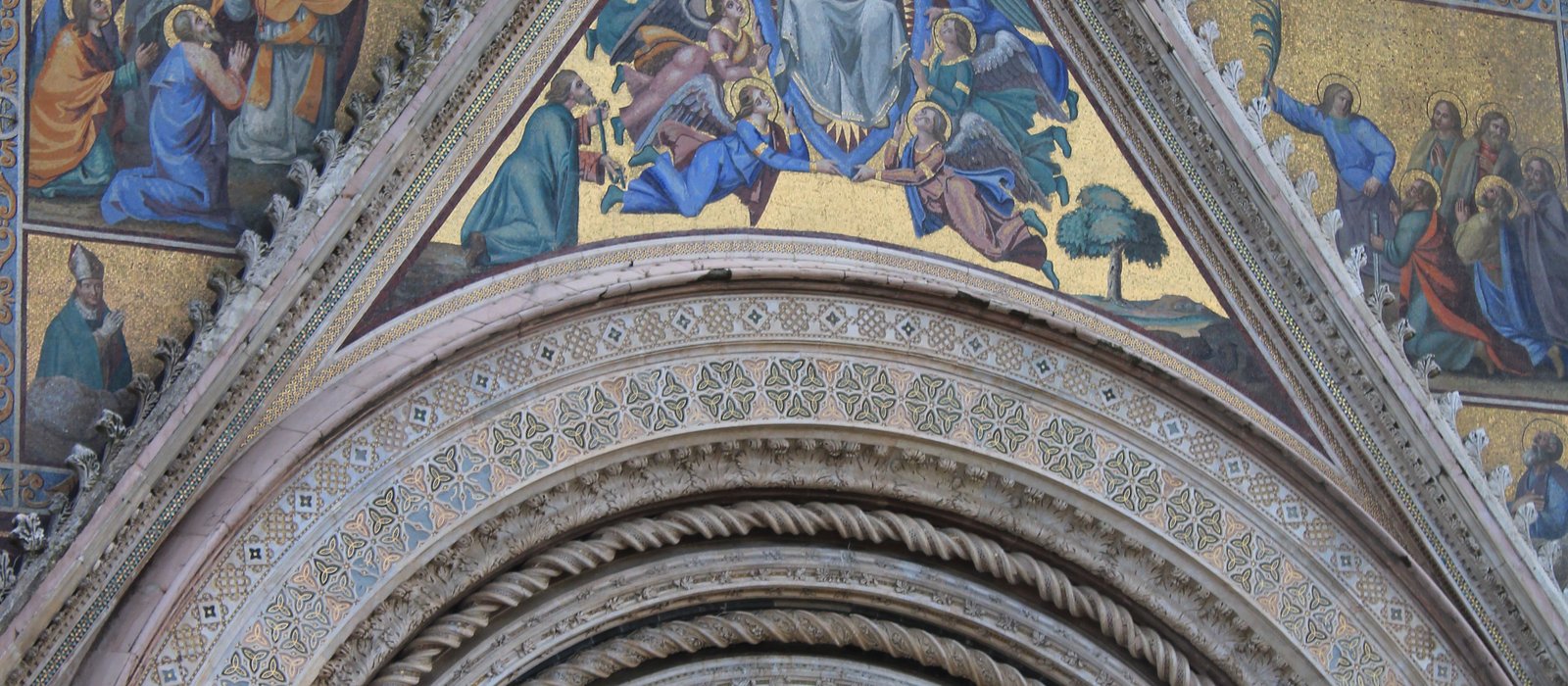
After Rome's scale and crowds, Orvieto's appeal is its human size and serenity. It's a genuine, lived-in Umbrian town perched high above the valley, where you can see the main sights on foot in a relaxed day. The headline is the Duomo — a 14th-century Gothic cathedral with a façade of dazzling golden mosaics and intricate carving that ranks among Italy's finest, and inside, the Chapel of San Brizio with Luca Signorelli's dramatic frescoes of the Last Judgment (which influenced Michelangelo). But Orvieto is more than its cathedral: it's the whole experience of a hilltop town — narrow lanes, piazzas, valley views, and excellent food and wine.

Getting there: an important detail

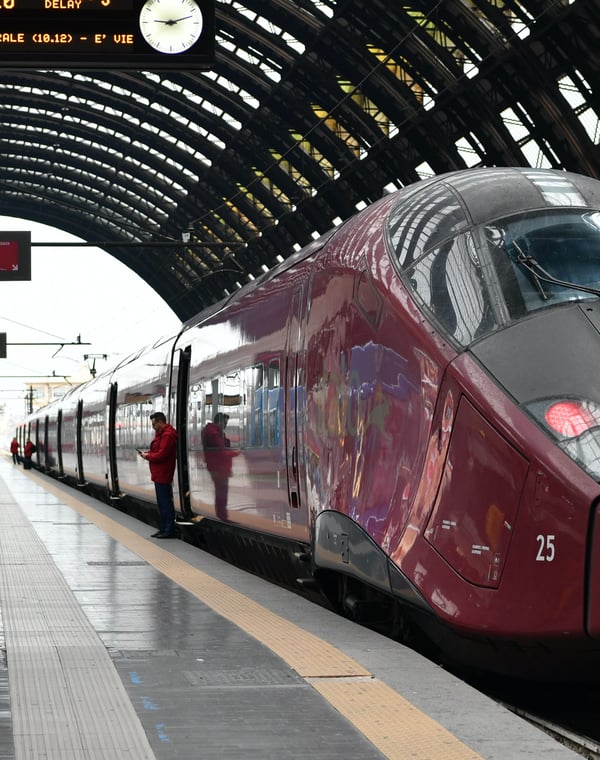
Orvieto is on the main Rome–Florence line, reachable by regional/intercity train from Roma Termini in about an hour to ~1.5 hours. One key point that trips people up:

  • Orvieto is NOT a high-speed (Frecciarossa) stop in the way you might assume — you take a regional or intercity train, which is inexpensive and frequent. (Don't overpay hunting for a high-speed connection that isn't the point here.)
  • The train station sits down in the valley, at the base of the rock — the old town is up top. From the station, take the charming funicular (cable railway) up the cliff to the historic center, then a short walk or shuttle bus to the Duomo. The funicular is part of the fun.

Buy a return train ticket, and confirm current schedules. Because it's a simple direct train, Orvieto is very doable independently — no tour required, though guided day trips exist.

A deeper layer: the Etruscan town beneath

Part of what makes Orvieto more than a pretty cathedral town is its astonishing depth — literally. Long before Rome dominated the region, Orvieto was a major Etruscan city (likely the important center the Romans called Volsinii), perched on its defensible rock. The Etruscans began carving the soft volcanic tufo beneath the town into wells, cisterns, and chambers, and successive generations kept digging, leaving the labyrinth of caves you can tour today — over a thousand excavated cavities honeycombing the rock. You'll also find Etruscan tombs and artifacts in and around town, and small museums that tell the story. So Orvieto offers a rare vertical slice of Italian history: Etruscan foundations, medieval golden-age cathedral and lanes on top, all on one dramatic plug of stone. It's a lot of history for a town you can stroll across in twenty minutes.
What to do in a day

A relaxed day plan:

  • The Duomo — the unmissable centerpiece. Marvel at the mosaic façade, then go inside for the Signorelli frescoes in the San Brizio chapel (a small ticket may apply for the chapel).
  • Orvieto Underground — the rock beneath the town is honeycombed with caves, tunnels, wells, and cisterns dug over millennia, from Etruscan times onward. Guided tours of the underground are fascinating and a cool respite on hot days.
  • St. Patrick's Well (Pozzo di San Patrizio) — an extraordinary 16th-century double-helix spiral well, with two intertwining staircases descending deep into the rock; you can walk down it.
  • Wander the town — the medieval lanes, the Etruscan heritage (Orvieto was an important Etruscan city), small museums, and the panoramic walls with valley views.
  • Eat and drink well — Umbrian cuisine (think wild boar, truffles, hearty pasta) and the famous crisp white Orvieto Classico wine, ideally over a long lunch.

You won't run out of things to do, but it's all walkable and unhurried — the opposite of a Rome sightseeing sprint.

Practical tips

  • Wear comfortable shoes — it's a hill town with slopes and cobbles (though compact once you're up top).
  • The funicular runs regularly from the station to the old town; buy the ticket at the station (often combinable with the local shuttle bus to the Duomo).
  • Check the Duomo and chapel hours, which can close midday and during services.
  • A half-day works but a full day lets you slow down, do the underground, and enjoy a proper lunch — the right pace for Orvieto.
  • Pair it conceptually with the slower-travel mindset: Orvieto rewards lingering, not rushing.
  • Time the Duomo for daylight on the façade — the golden mosaics are dazzling in direct sun, especially late afternoon, so a clear day pays off.
  • Bring a little cash for the funicular, the underground tour, and small trattorias, though cards are widely accepted.

Orvieto vs. other day trips

Where Orvieto fits among the options: it's the pick for travelers who want a scenic, relaxed small-town and great-food day rather than ancient ruins (Ostia, Pompeii) or grand villas (Tivoli). It's less famous than Florence but far more relaxed and genuinely doable in a day without feeling rushed — a complete experience rather than a teaser. If you want hilltop-Italy charm an easy hour from Rome, Orvieto is hard to beat.

The bottom line

Orvieto is a golden hilltop gem an hour from Rome: a magnificent Gothic cathedral with mosaic façade and Signorelli frescoes, a labyrinth of ancient caves and a remarkable spiral well beneath your feet, and crisp local wine to round out a long Umbrian lunch. Take a regular regional/intercity train from Termini (not a high-speed one), ride the funicular up the cliff, and spend a relaxed day on foot. It's the easy, scenic small-town escape that balances out the intensity of the city.

Keep reading