Most of the things that mark you as a tourist in Rome aren't about language — they're about small social customs that differ from American habits in ways no one tells you about. Order a cappuccino after dinner, ask for the check too early, or breeze into a church in a tank top, and you'll get a look (or a "no"). None of these are make-or-break, and Romans are forgiving of visitors, but learning a handful of customs makes you move through the city more smoothly and respectfully — and Italians genuinely appreciate the effort. Here's what an American visitor should know.
Greetings and basic courtesy
- Say hello and goodbye when entering and leaving shops and cafés. A simple "buongiorno" (good day) on entering and "arrivederci" or "grazie" on leaving is expected courtesy — walking in silently can read as rude.
- Use a greeting before launching into a request. Even asking directions, lead with "buongiorno" or "scusi" (excuse me) rather than diving straight in.
- Italians are warm but a touch more formal with strangers than Americans expect — a handshake on meeting, and the more formal "lei" with people you don't know (you won't need the grammar, but the instinct to be polite helps).
- Don't be loud. Americans are often (fairly or not) pegged as loud in public; keeping your voice down on transit, in restaurants, and in churches helps you blend in.
The coffee rules
Coffee is a small ritual with real conventions:
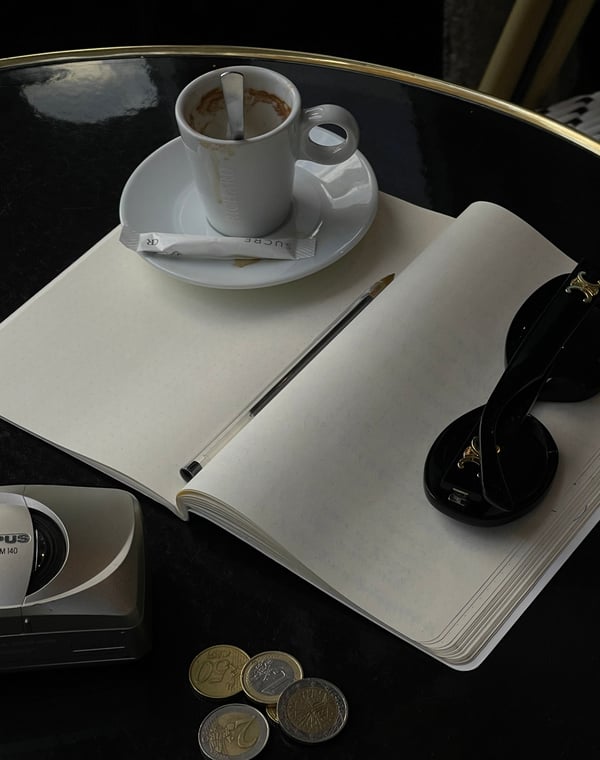
- No cappuccino after a meal — milky coffees are a morning thing only. After lunch or dinner, Italians drink an espresso ("un caffè"). Ordering a cappuccino at 2 p.m. quietly marks you as a tourist (no one will refuse you — it's just not done).
- Coffee is taken standing at the bar, quickly and cheaply. You usually pay at the register (cassa) first, then take the receipt to the barista — or pay after, depending on the place.
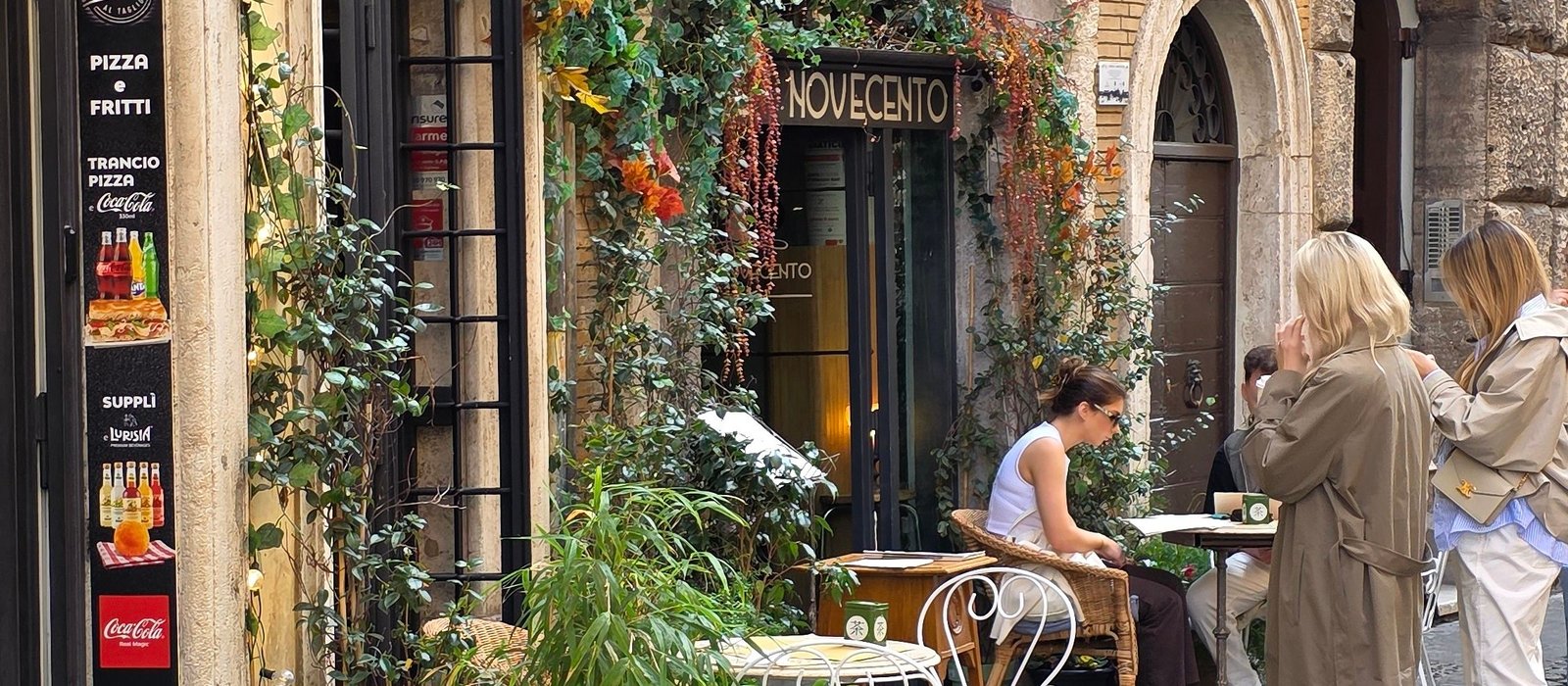
- Sitting at a table costs more — fine if you want to linger in a piazza, just know you're paying for the seat.
Dining customs
This is where the most differences cluster (and tipping has its own guide):
- Dinner is late — kitchens often don't open until 7:30–8 p.m.; 8:30–9 is a normal dinner hour.
- The check doesn't come automatically. Lingering over a meal is the norm, and bringing the bill unasked would feel like rushing you out. Ask for it ("il conto, per favore") when you're ready.
- A coperto (small per-person cover charge) is standard and isn't a scam or a tip.
- No substitutions, and trust the kitchen — Italian menus are less customizable than American ones; ordering off-menu or heavily modifying dishes isn't the norm.
- Bread is for the meal, not a pre-meal course with oil — and there's usually no butter.
- Don't ask for parmesan on seafood pasta — it's considered a clash; let the dish be.
Church etiquette
Rome's churches are active places of worship as well as art-filled sights:
- Dress code is enforced — shoulders and knees covered for everyone, at St. Peter's, the major basilicas, and many churches (see our dress code guide). Carry a scarf or layer.
- Be quiet and respectful, especially during services; keep your voice low and your phone silent.
- No flash photography (and none at all in some chapels, like the Sistine).
- Don't wander during Mass — if a service is on, observe respectfully or come back later.
Social warmth, gestures, and personal space
Italians are expressive and warm, and a few social notes help you read interactions:
- Greetings can be physical — among friends, a kiss on both cheeks (starting with the left) is common, though with strangers a handshake is the norm; follow the other person's lead and don't initiate cheek-kisses with people you've just met.
- Personal space is a bit closer than Americans are used to — people stand nearer in conversation and queues; it's not pushiness, just the norm.
- Hands talk. Italian gesturing is real and wonderfully expressive, but don't try to imitate gestures you don't understand — a few are rude, and guessing can backfire. Let your words and a smile do the work.
- Eye contact and engagement are valued — a warm, present manner goes far, and brushing someone off curtly reads as cold.
- Compliments land well — praising the food (buonissimo!), the city, or a shopkeeper's wares is appreciated and opens people up.
- Patience over efficiency. If a transaction or conversation takes longer than you'd expect at home, that's normal; rushing or showing visible impatience is the faux pas, not the delay itself.
None of this requires study — just a friendly, patient, slightly-more-formal-than-American instinct, and you'll find Romans warm and welcoming in return.
Everyday customs
- Don't over-tip or expect American-style service — service is professional but not effusive, and that's not rudeness (see our tipping guide).
- Dress reasonably well. Romans dress with care; athleisure, gym clothes, and flip-flops mark you as a tourist. You don't need to be fancy, just put-together (see our what-to-wear guide).
- Validate transit tickets and mind the small rules — Italians follow these, and fines for not validating are real.
- Bargaining isn't a thing in shops and markets (unlike some countries) — prices are prices, except perhaps at flea markets.
- "Ciao" is informal — use it with people you know; "salve" or "buongiorno" is the safer greeting with strangers and shopkeepers.
A relaxed attitude helps
A few cultural rhythms to roll with rather than fight:
- Things move at their own pace — service, bureaucracy, and life run slower than American efficiency; patience is rewarded.
- The midday lull — some smaller shops still close for a few hours in the afternoon (riposo), especially outside the tourist core.
- Sundays and August are quieter, with some closures — plan around them.
- Relationships and warmth matter; a friendly, patient, polite manner opens doors.
The bottom line
Italian etiquette for an American visitor comes down to small, learnable customs: greet people in shops, never order a cappuccino after a meal, ask for the check rather than expecting it, dress with a bit of care and cover up for churches, keep your voice down, and roll with a slower pace. None of it is hard, and Romans don't expect perfection from visitors — but the effort smooths your way and is genuinely appreciated. Master this handful of habits and you'll move through Rome less like a tourist and more like a welcome guest.
Keep planning
Not sure how it all fits together?
Pick your trip length and we'll route a real day-by-day plan.
Build your trip →