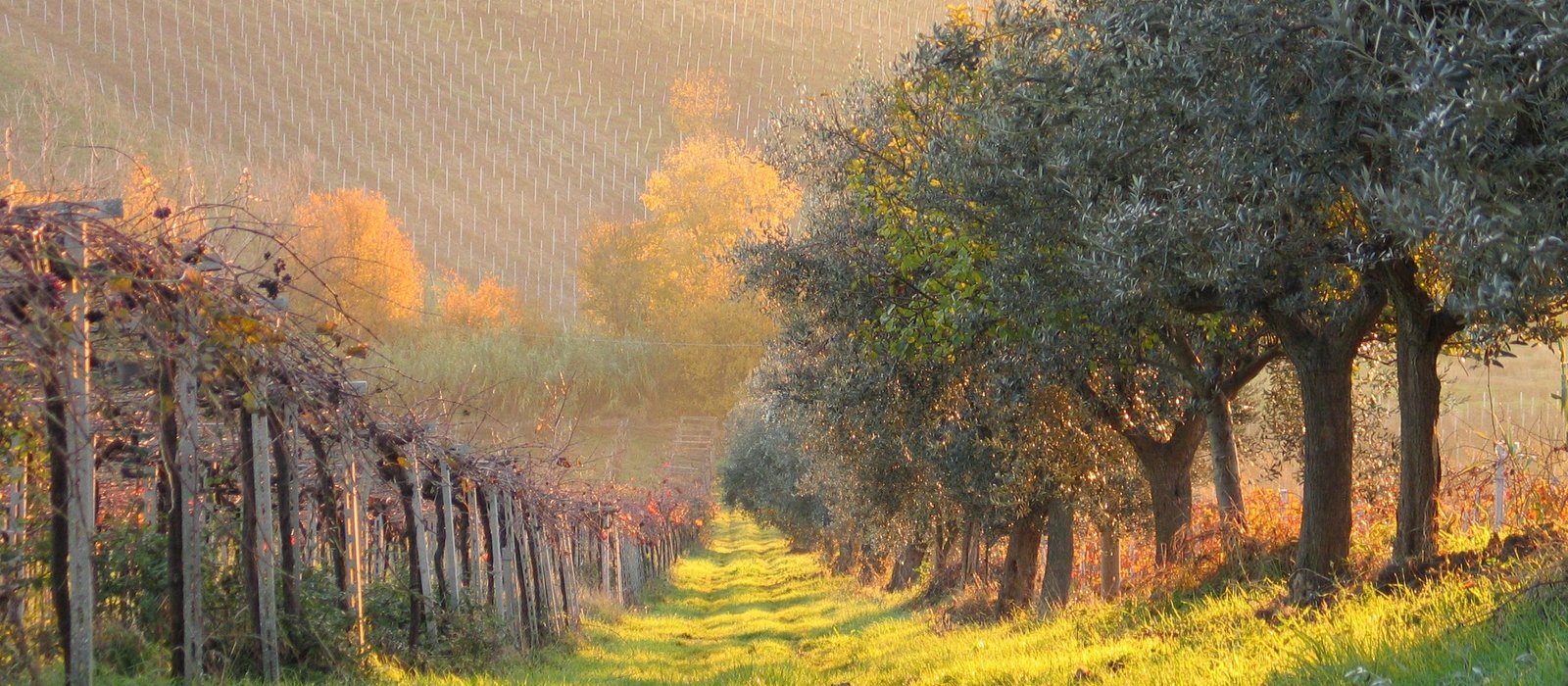
Just southeast of Rome, where the city gives way to volcanic hills, lakes, and vineyards, lies a cluster of small towns Romans have escaped to for centuries: the Castelli Romani. This is the city's countryside playground — rolling Alban Hills dotted with hill towns, two crater lakes, papal and noble summer villas, and the crisp white Frascati wine that's poured all over Rome. For travelers who've had their fill of monuments and want a relaxed day of wine, lake views, and small-town Italy close to the city, the Castelli Romani are a delightful, under-touristed choice. Here's how to approach them.
What the Castelli Romani are
The Castelli Romani ("Roman Castles") are a group of around thirteen hill towns roughly 20–25 km southeast of Rome, set in the volcanic Alban Hills and now protected as a regional park. Since antiquity, emperors, popes, and wealthy Romans built summer retreats here to escape the city's heat — a tradition that continues — and the area is best known today for its wine, food, volcanic lakes (Albano and Nemi), and easygoing pace. The towns each have their own character, and a day trip usually means picking one or two rather than trying to see them all.
The towns worth knowing
- Frascati — the most famous and easiest to reach, synonymous with its crisp white wine. Elegant villas, a handsome center, and plenty of cantinas and trattorias for wine and porchetta. The natural base for a wine-focused day.
- Castel Gandolfo — the picturesque town overlooking Lake Albano, long the pope's summer residence. The Apostolic Palace and the Barberini Gardens are now open to the public (opened up under Pope Francis), and the lakeside setting is lovely. Note the papal palace area is technically under Vatican jurisdiction.
- Nemi — a tiny, flower-lined village above its own crater lake, famous for its wild strawberries (fragoline) and serene views. Charming but harder to reach without a car.
- Rocca di Papa — the highest of the towns, with the best panoramas over the hills and, on a clear day, back toward Rome.
- Grottaferrata, Ariccia, and others — smaller towns known for abbeys, porchetta (Ariccia's specialty), and local life.
Getting there
The two most accessible towns are reachable directly by train; the smaller ones really need a car or tour:
- Frascati: regional train from Roma Termini, about 30–40 minutes — the simplest independent option. The station is a short walk from the center.
- Castel Gandolfo: regional train from Roma Termini, about 30–40 minutes — but note the station is partway up the hill, so there's a climb up to the town or down to the lake.
- Nemi, Rocca di Papa, and the hilltop villages: awkward by public transport (Cotral buses serve some, but infrequently). For these, a car or a guided tour is far easier.
- Cotral buses also run to parts of the area from Rome (e.g. from Anagnina, on Metro Line A).
Because hopping between the scattered towns is the hard part, a guided wine-and-towns day tour (with a driver) is genuinely popular here — it turns a logistically fiddly area into an easy day and usually includes a winery visit.
What to do
A relaxed Castelli Romani day is about pleasure, not checklists:
- Wine tasting — visit a Frascati winery or a town cantina for the local whites; many offer tastings with food.
- Eat porchetta and local fare — the area is famous for its herbed roast pork, fresh lake fish, and hearty country cooking; a long trattoria lunch is the point.
- Lake views and a walk — Lake Albano (below Castel Gandolfo) and Lake Nemi are scenic for a stroll or a lakeside lunch.
- The papal palace and gardens at Castel Gandolfo — tour the Apostolic Palace and the Barberini Gardens for a dose of papal history away from the Vatican crowds.
- Simply wander a hill town's lanes and piazzas at an unhurried pace.
Who it's for (and who should skip it)
Be honest with yourself about what you want from a day, because the Castelli Romani reward a particular mood. It's perfect if you've already seen Rome's headline sights and crave a slower, greener, food-and-wine day — the kind of trip where a long lunch with a carafe of Frascati is the itinerary. It's also a lovely choice for repeat visitors to Rome who want something off the standard tourist track. It's probably not for you if this is a short first trip and you haven't yet seen the Colosseum and Vatican — the Castelli are a "bonus" destination, not a must, and a first-timer's limited days are better spent in the city or on an ancient-site trip like Ostia or Pompeii. And if you don't drink wine and aren't drawn to lakes, villages, and countryside food, the area's main pleasures may feel thin. Think of it as Rome's relaxed weekend escape rather than a marquee attraction — which is exactly why Romans love it.
When to go (seasons matter here)
The Castelli are at their best in spring and autumn, when the hills are green or golden and the wine-and-food festivals cluster (autumn especially, around the grape harvest — the town of Marino's wine festival is famous). Summer brings Romans escaping the city heat, which is part of the area's whole historic appeal, though some spots get busy on weekends. Winter is quiet and some places sleepy. Whenever you go, a weekday is calmer than a weekend, when Romans pour into the hills for lunch.
Practical tips
- Pick one or two towns, not all — the charm is in slowing down, and transport between them eats time.
- Frascati is the easy default for a wine-focused independent day by train.
- Consider a tour if you want to combine several towns, a winery, and the lakes without a car.
- Check papal palace/garden hours at Castel Gandolfo (and book ahead for garden tours).
- It's a seasonal pleasure — spring and autumn are gorgeous; the towns can be sleepy in low season, and some festivals (like Marino's autumn wine festival) are worth timing for.
The bottom line
The Castelli Romani are Rome's leafy back garden — volcanic hills, crater lakes, papal villas, and the Frascati wine that fuels the city — and they make a relaxed, under-touristed day trip for anyone craving countryside and good food over more monuments. Take the easy train to Frascati for wine, or Castel Gandolfo for the pope's lakeside palace; for the smaller hill towns and lakes, a car or guided wine tour saves the hassle. Pick one or two, settle in for a long lunch, and enjoy the side of the region Romans have escaped to for two thousand years.
Keep planning
Not sure how it all fits together?
Pick your trip length and we'll route a real day-by-day plan.
Build your trip →