You don't need to speak Italian to visit Rome — most people in tourist-facing jobs speak some English, and you'll get by fine without a word of Italian. But learning even a handful of phrases changes your trip: it's a sign of respect that Italians genuinely appreciate, it warms up every interaction, and it occasionally gets you better service, a friendlier table, or directions you'd otherwise miss. You don't need fluency — just the polite basics, delivered with a smile. Here are the phrases actually worth knowing, grouped by when you'll use them.
The essential courtesies (learn these first)
If you learn nothing else, learn these — they cover most polite interactions:
- Buongiorno (bwon-JOR-no) — Good morning / good day. Your default greeting entering shops and cafés.
- Buonasera (bwona-SEH-ra) — Good evening (from late afternoon on).
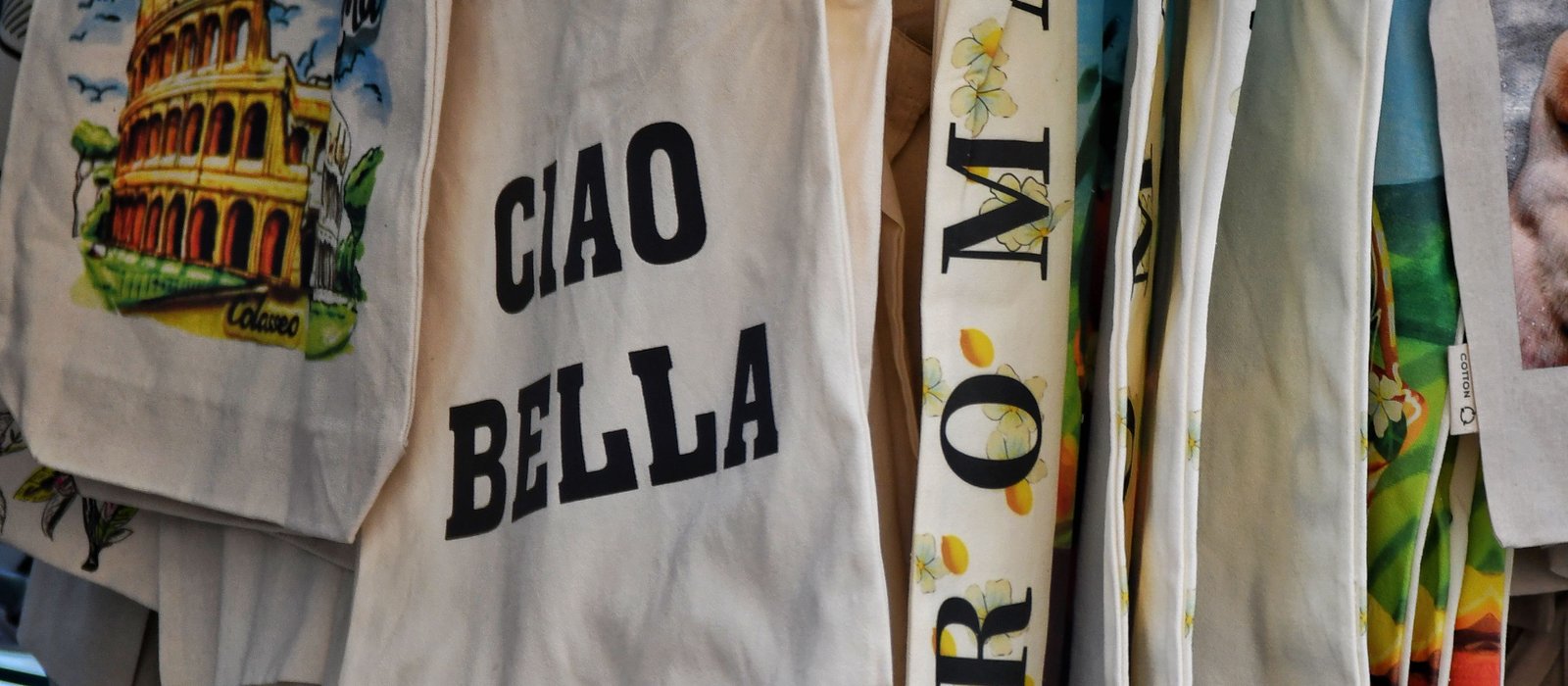
- Ciao (chow) — Hi / bye, but informal — use with people you know, not shopkeepers or strangers (use salve or buongiorno there).
- Per favore (per fa-VOH-reh) — Please.
- Grazie (GRAH-tsyeh) — Thank you. (Prego — preh-go — is "you're welcome," and also "go ahead / after you.")
- Scusi (SKOO-zee) — Excuse me / sorry (to get attention or apologize, formal).
- Mi scusi / permesso — Excuse me (to pass by).
- Arrivederci (ah-ree-veh-DEHR-chee) — Goodbye.
- Sì / No — Yes / No.
Greeting people when you enter and thanking them when you leave is the single biggest courtesy in Italian culture — these few words carry you a long way.
Getting by (useful everyday phrases)
- Parla inglese? (PAR-la een-GLEH-zeh) — Do you speak English? (The polite opener before switching to English.)
- Non parlo italiano — I don't speak Italian.
- Non capisco — I don't understand.
- Quanto costa? (KWAN-toh KOS-ta) — How much is it?
- Dov'è...? (doh-VEH) — Where is...? (e.g., Dov'è il bagno? — Where's the bathroom?)
- Il bagno — the bathroom.
- A destra / a sinistra / dritto — right / left / straight ahead.
- Aiuto! (ah-YOO-toh) — Help!
- Mi sono perso/persa — I'm lost (perso if male, persa if female).
At the restaurant and café
- Un caffè — an espresso (literally "a coffee" — this is what "coffee" means here).
- Un cappuccino — a cappuccino (morning only, if you want to blend in!).
- Il conto, per favore — The check, please. (Remember: you must ask; it won't come automatically.)
- Un tavolo per due — A table for two.
- L'acqua (naturale / frizzante) — Water (still / sparkling).
- Il menù, per favore — The menu, please.
- Vorrei... (vor-RAY) — I would like... (the polite way to order: Vorrei un caffè).
- Buonissimo! — Delicious! (A lovely compliment to the cook.)
- Posso pagare con la carta? — Can I pay by card?
- Vorrei questo — I'd like this (point and say it — works for anything).
- Solo guardando — Just looking (in a shop).
- A che ora...? — At what time...? (e.g., opening/closing).
- Aperto / chiuso — Open / closed.
- Quant'è? — How much is it (total)?
Food and menu words worth knowing
Since so much of a Rome trip revolves around eating, a few menu words make ordering far easier and help you avoid surprises:
- Antipasto — starter; primo — first course (pastas, risotto); secondo — main (meat/fish); contorno — side dish (vegetables, ordered separately); dolce — dessert.
- Coperto — the per-person cover charge (normal); servizio — service charge (if included, no tip needed).
- Pane — bread; acqua — water; vino (rosso / bianco) — wine (red / white); birra — beer.
- Carne — meat; pesce — fish; pollo — chicken; manzo — beef; maiale — pork; verdure — vegetables.
- Senza — without (useful for allergies: senza glutine = gluten-free; sono allergico/a a... = I'm allergic to...).
- Conto — the bill; da portare via — to take away.
- Cin cin! (chin chin) — Cheers!
If you have a serious food allergy, learn the exact phrase and consider a written card — Sono allergico/a a... (I'm allergic to...) followed by the item, said clearly to your server, is important enough to get right rather than rely on gestures.
Pronunciation in 30 seconds
Italian is wonderfully phonetic — it's said how it's spelled, once you know a few rules:
- C before e/i = "ch" (ciao = chow); c otherwise = "k" (caffè = ka-FEH).
- Ch = "k" (Chianti = kee-AN-tee).
- Gn = "ny" (gnocchi = NYOH-kee); gli = "ly" (famiglia).
- Every vowel is pronounced, clearly and consistently (a-e-i-o-u = ah-eh-ee-oh-oo).
- Double consonants are held slightly longer.
- Stress usually falls on the second-to-last syllable.
Say it with confidence and a smile — Italians warm to anyone who tries, mistakes and all.
A few cultural notes on language
- Lead with a greeting before any question — "Buongiorno, scusi..." not just "Where's the...?"
- "Prego" is everywhere — it means you're welcome, go ahead, please do, here you are; context tells you which.
- Hand gestures are real and expressive, but you don't need them — and avoid guessing at them, as some are rude.
- Effort counts more than accuracy — no one expects perfect grammar; the attempt is what's appreciated.
- A translation app (Google Translate, with the offline Italian pack downloaded) handles anything beyond these basics — including pointing your camera at a menu.
The bottom line
You can visit Rome with zero Italian, but a handful of phrases transforms your interactions: master the courtesies (buongiorno, per favore, grazie, scusi, arrivederci), the get-by basics (parla inglese?, quanto costa?, dov'è il bagno?), and the restaurant essentials (un caffè, il conto per favore, vorrei...). Lead every interaction with a greeting, attempt the words with a smile, and lean on a translation app for the rest. Italians genuinely appreciate the effort — and it'll make your Rome trip warmer at every turn.
Keep planning
Not sure how it all fits together?
Pick your trip length and we'll route a real day-by-day plan.
Build your trip →