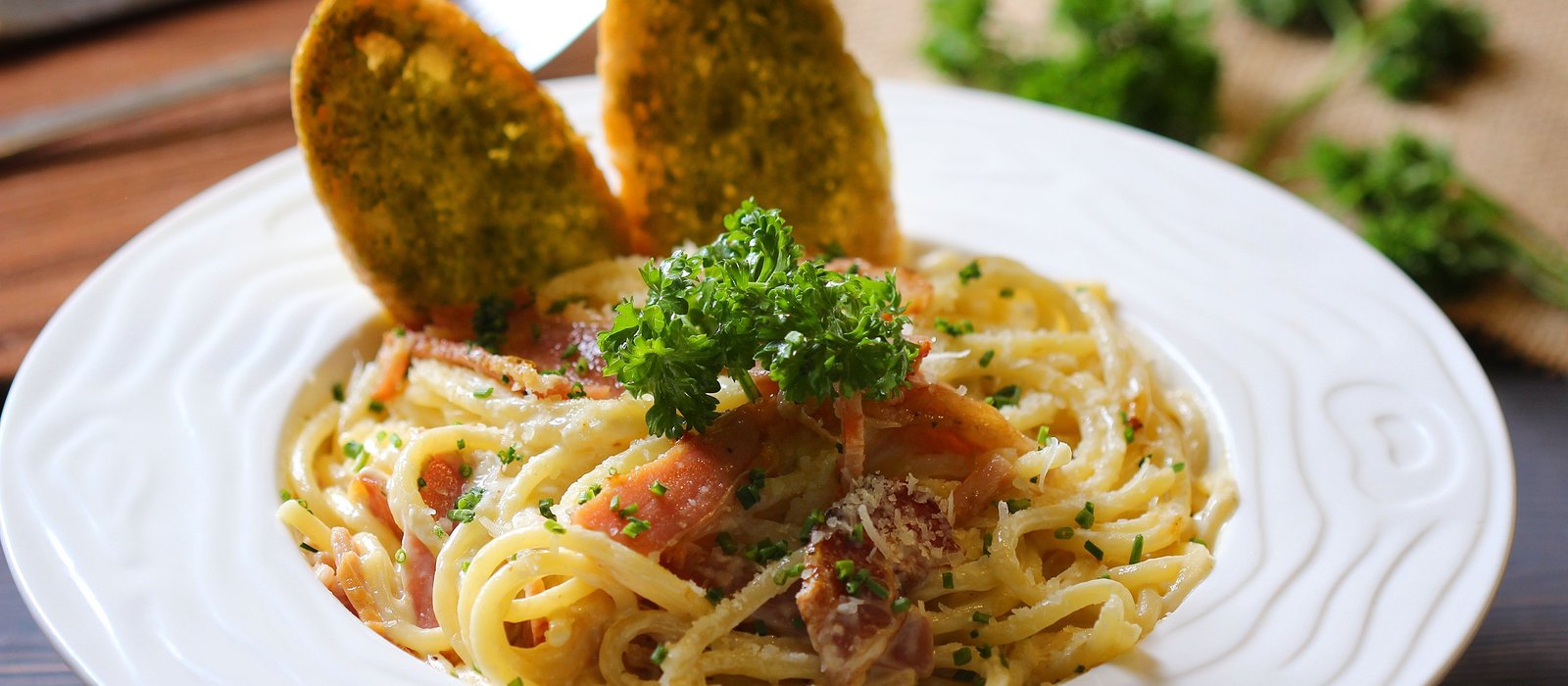
Roman food is not Italy's fanciest or most innovative — and that's exactly the point. This is cucina povera, "poor kitchen" cooking, built on a handful of humble ingredients used brilliantly: pasta, pork cheek, sheep's cheese, black pepper, artichokes, offal. The dishes are centuries old and Romans are fiercely protective of them. For an American visitor, knowing what to order (and what real versions look like) is the difference between eating tourist-trap approximations and tasting the actual city. Here's your hit list.
The four classic pastas — Rome's "holy trinity" plus one
Almost every traditional Roman trattoria builds its menu around four pasta dishes that share a common DNA: pecorino romano (sharp sheep's-milk cheese), guanciale (cured pork cheek — not bacon or pancetta), and black pepper. Learn these four and you understand Roman cooking.
Cacio e pepe
The simplest and the test of any kitchen: just pecorino romano and black pepper, emulsified with starchy pasta water into a silky sauce on long pasta. Two ingredients, nowhere to hide. When it's done right it's revelatory; when it's done lazily it's gluey. Order it first — it tells you everything about the cook.
Carbonara
Rome's most famous export, and the one Americans most often get wrong at home. Real carbonara is guanciale, egg, pecorino, and black pepper — and absolutely no cream. The creaminess comes from egg yolk and cheese, not dairy. If a menu lists cream (panna) in the carbonara, you're not in a serious Roman kitchen.
Amatriciana
The tomato one. Take the guanciale-and-pecorino base, add a bright, slow-cooked tomato sauce and often a hint of chili, and serve it traditionally on bucatini (thick, hollow spaghetti). Hearty, tangy, deeply savory — cucina povera at its best.
Gricia
The least famous abroad but a local favorite — essentially "white amatriciana" or carbonara without the egg: guanciale, pecorino, and pepper. Pork-forward and pure. Romans love it precisely because it's so simple.
Beyond pasta: the dishes that define Rome
Romans eat far more than the four pastas. A few you should seek out:
- Carciofi alla romana / alla giudia — artichokes, two ways. Alla romana are braised with herbs; alla giudia (Jewish-style, a specialty of the old Ghetto) are flattened and deep-fried until the leaves crisp like petals. Seasonal — best in spring.
- Saltimbocca alla romana — veal layered with prosciutto and sage, "jumps in the mouth."
- Supplì — fried rice balls with a molten mozzarella center; the Roman cousin of Sicily's arancini, and the perfect street snack or pizzeria starter.
- Pizza al taglio — rectangular pizza by the slice, sold by weight, eaten on the go.
- Trippa alla romana and the offal dishes — Rome's working-class quarters (especially Testaccio, the old slaughterhouse district) built a cuisine around the "fifth quarter," the organ meats. Adventurous eaters should try them where they're done well.
Eat with the seasons
One thing that separates a memorable Roman meal from a forgettable one is seasonality — the best kitchens cook what the market has that week. A few things to look for by season:
- Spring: artichokes are at their peak (the whole reason carciofi alla romana and alla giudia are spring specialties), along with fava beans and vignarola, a braise of spring vegetables.
- Winter: puntarelle — a crunchy chicory dressed with anchovy, garlic, and lemon — is a distinctly Roman cold-weather salad worth seeking out, plus hearty braises and carciofi returning toward late winter.
- Year-round: the four pastas, supplì, and pizza al taglio are always there, but a trattoria that also lists a seasonal vegetable or two is signaling that it actually shops rather than reheats.
If you see a short list of daily specials chalked on a board, order from it — that's the kitchen telling you what's good right now.