The Vatican is the most crowded attraction in Rome, and timing your arrival is the single biggest factor in whether your visit feels magical or miserable. Arrive at the wrong moment and you'll spend your morning shuffling through packed galleries shoulder-to-shoulder; arrive smartly and you can have a far calmer, more rewarding experience. But "the Vatican" is really several different visits — the Museums, St. Peter's Basilica, the dome — each with its own timing logic. This guide breaks down exactly how early to show up for each, and why.
First: book a timed entry (it changes everything)
Before we talk about arrival times, the foundational rule: for the Vatican Museums, book a timed-entry ticket in advance. This is non-negotiable in high season — slots sell out, and a booked ticket lets you skip the enormous ticket-buying line (often the longest wait of all). With a timed slot, "how early to arrive" becomes a question of arriving on time for your slot plus a buffer, not queuing for hours.
What a booking doesn't skip is security screening, which everyone passes through — so even with a timed ticket, build in time for that.
The Vatican Museums: timing your slot
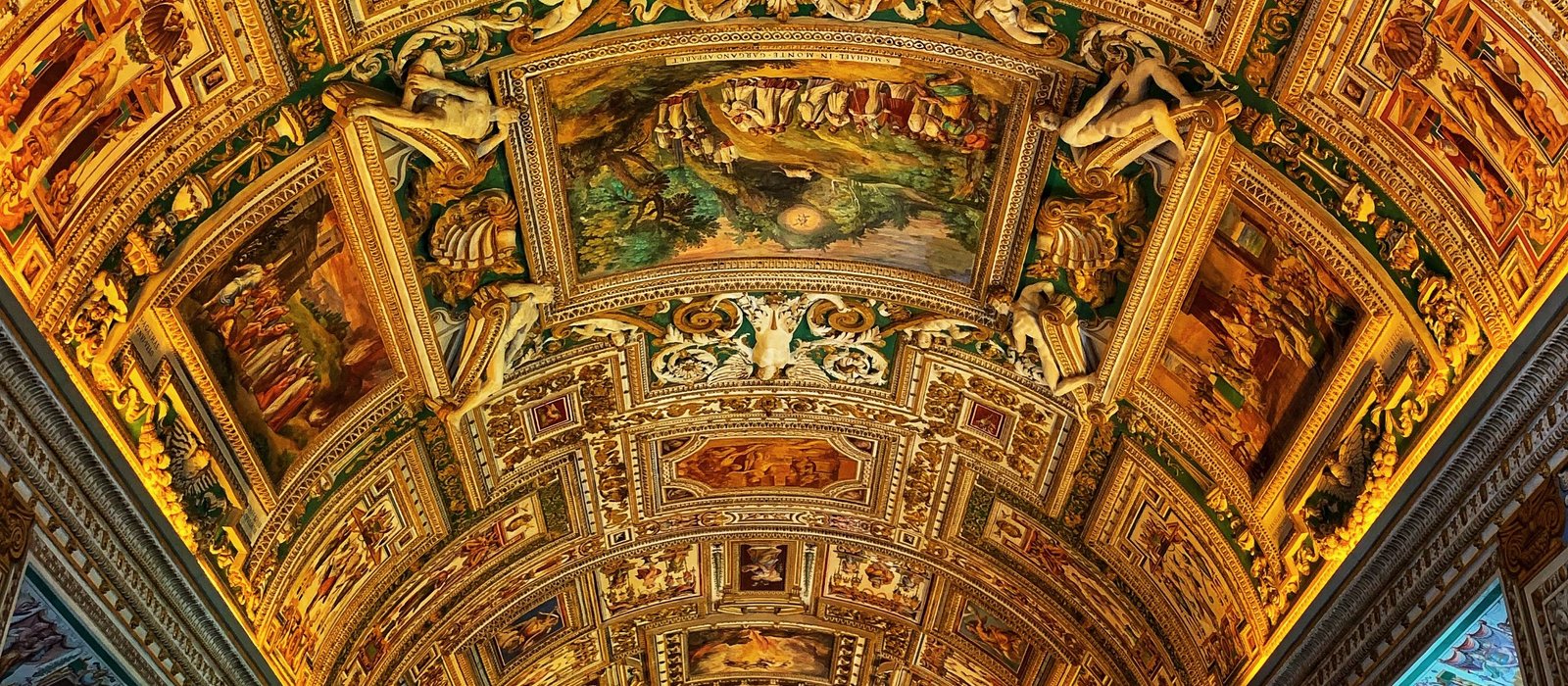
For the Museums (which include the Sistine Chapel at the end of the route), two strategies work:
The early slot (best for fewer crowds)
Book the earliest available entry — right at opening. The first hour or so is meaningfully calmer before the tour groups flood in, especially in the Sistine Chapel. Arrive about 20–30 minutes before your slot to clear security and the entrance without stress. This is the classic move for beating crowds.
The late-afternoon slot (an underrated alternative)
Counterintuitively, the last couple of hours before closing can also be quieter, as the morning crush and day-tour groups thin out. You trade the early start for a more relaxed late visit. On days with extended hours, this can be lovely.
What to avoid
Mid-morning (roughly 10 a.m. to noon) is peak chaos — every tour group and cruise excursion converges. If you can't get an early or late slot, so be it, but go in expecting crowds.
St. Peter's Basilica: arrive early for security
St. Peter's is free, so there's no ticket to book — which means the wait here is the security screening line in St. Peter's Square, and it can be long. The fix is timing:
- Arrive right at opening (early morning) for the shortest security line — this is the single best tip for St. Peter's.
- Late afternoon is a good second choice as day-trippers leave.
- Avoid late morning, when the security queue snakes across the square.
A guided tour that enters St. Peter's via the internal passage from the Vatican Museums can bypass the square's security line — the one real "skip" available here.
If you're climbing the dome (see our dome guide), do it as part of your St. Peter's visit and allow extra time — the climb itself takes about an hour round trip, plus any queue for the dome entrance (up to an hour in peak season). Going earlier in the day helps here too.
The Wednesday wrinkle: the Papal Audience
One crucial scheduling note: on Wednesday mornings, the Papal Audience is usually held in St. Peter's Square (when the Pope is in Rome), which means St. Peter's Basilica and the dome are typically closed or restricted in the morning and the square is given over to the audience. Plan to visit the basilica on a different day or in the afternoon, or come specifically for the audience (see our papal audience guide). The Vatican Museums generally still operate on Wednesdays.
Crowds by season and day (the bigger picture)
Arrival time matters most, but the day and season shape how bad the crowds are in the first place. Peak season (roughly spring through early fall, plus the Christmas/Easter periods and any Holy Year/Jubilee events) packs the Vatican hardest — in those months the early-or-late slot strategy isn't optional, it's essential, and booking weeks ahead is wise. Winter (excluding the holidays) is markedly calmer, when even a mid-morning slot is bearable. By day of week, weekends and Mondays tend to be busiest (Monday because many other Roman museums close, funneling crowds to the Vatican), while midweek is often slightly easier. The last Sunday of the month, when the Vatican Museums are free, is gloriously cheap and absolutely mobbed — go only if you prioritize the savings over the experience, and arrive very early. And cruise-ship days send big waves of group tours mid-morning. You can't control all of this, but stacking the odds — an early or late slot, midweek, off-peak if possible — turns the Vatican from a crush into something you can actually savor.
A sensible Vatican-day timeline
Putting it together, a smooth full Vatican day might look like:
- Early Vatican Museums slot (arrive ~20–30 min early for security), through to the Sistine Chapel.
- St. Peter's Basilica afterward — either via the internal passage on a guided tour, or by walking around to the square (earlier is better for the security line).
- Dome climb while your legs are willing.
- Done by early afternoon, with the rest of the day free.
Avoid Wednesday mornings for the basilica/dome, and you've sidestepped the Vatican's biggest timing traps.
The bottom line
How early to arrive at the Vatican depends on which part: for the Museums, book a timed slot and take the earliest (or latest) entry, arriving 20–30 minutes ahead for security and avoiding the 10-to-noon crush. For St. Peter's, arrive right at opening to beat the security line, since there's no ticket to skip it. Allow extra time for the dome, and steer clear of Wednesday mornings, when the Papal Audience closes the basilica. Get the timing right and the world's most crowded attraction becomes a genuinely awe-inspiring morning.
Keep planning
Not sure how it all fits together?
Pick your trip length and we'll route a real day-by-day plan.
Build your trip →