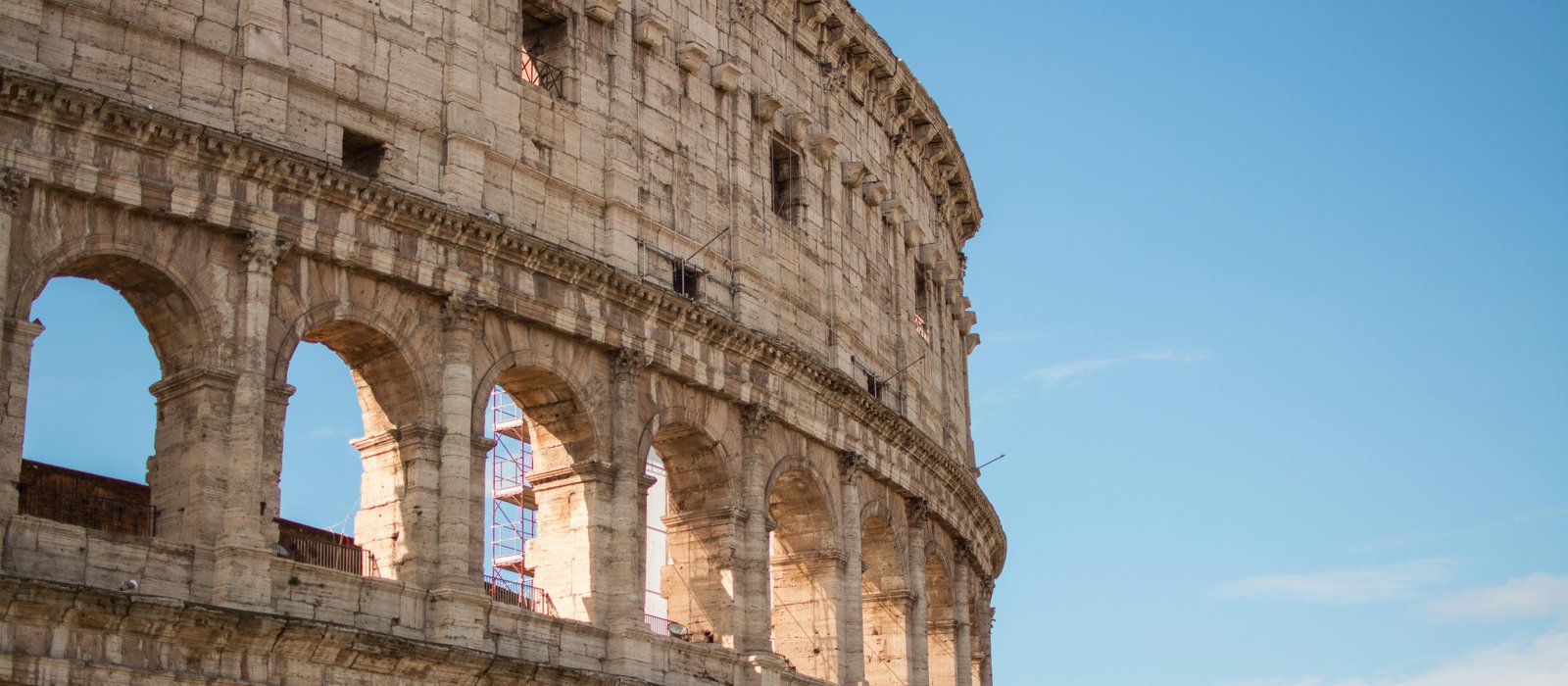
The Colosseum is the first thing most Americans book for Rome, and it's also where first-timers lose the most money to confusion. Between the official site, a wall of resellers that look official, and the men with laminated badges outside the Metro, it's genuinely hard to tell what you're actually buying. This is the version of the guide we wish we'd had on our first trip: what the ticket tiers really mean, when to go, and the three traps that catch Americans every single day.
Here's the single most useful thing to know up front: there is exactly one official seller, and everything else is either a markup or a guided tour wrapped around that same entry. That doesn't make the tours bad — some are genuinely worth it — but you should always know which one you're paying for before you hand over a card.
The ticket tiers, in plain English
The official options have names that don't tell you much, and the exact labels shift from time to time — so focus on what each tier includes rather than its marketing name. Stripped down, you're really choosing between three things:
Standard (Colosseum + Roman Forum + Palatine Hill)
One combined ticket, valid across all three sites over a 24-hour window. This is what most first-timers actually want. You see the arena from the standard viewing levels, then walk the Forum and Palatine next door on the same ticket. For a first visit, this is almost always the right call.
Full Experience (adds the Arena Floor + Underground)
This adds two things the standard ticket doesn't: the reconstructed arena floor where the gladiators fought, and the underground tunnels (the hypogeum) where animals and staging machinery were kept. It's genuinely special — but it sells out weeks ahead, it's guided-only, and it locks you to a fixed entry time. Great if you're a planner; frustrating if you like to keep your days loose.
Upper tiers (Belvedere / Attic)
The highest levels, sold seasonally, with sweeping views down into the arena. Lovely, but skip it on a first visit — you won't miss it, and it complicates an already-busy day.
If you take one thing from this section: for most first-timers, the Standard combined ticket is the right buy, and the Underground is the upgrade to consider only if you're booking well ahead.
When to go (and when not to)
Crowd levels swing far more than the season does. The arena is busiest from late morning through early afternoon, which is exactly when the tour buses arrive. The two reliable windows are the first entry slot of the day and the last ninety minutes before closing — and that late slot has the bonus of the best light for photos.
A couple of timing notes specific to Rome: the first Sunday of every month brings free state-museum entry (the Domenica al Museo program) — which includes the Colosseum, Forum, and Palatine for everyone, regardless of nationality. It sounds great until you realize it's by far the busiest day of the month: queues can stretch two to three hours by mid-morning, the free entry doesn't cover the Underground or arena floor, and you'll want to book a free timed slot in advance and arrive before opening. Unless saving the entry fee really matters to you, a normal paid day with a booked slot is a far better experience. And summer (July–August) is both hot and crowded; an early slot isn't just about lines, it's about not standing on unshaded ancient stone at 33°C/91°F.
Whatever tier you pick, the Colosseum runs on timed entry. You choose a slot when you book, and you should book ahead — this is not a walk-up-and-stroll-in attraction in high season.