Rome does grand five-star palaces beautifully — but for many travelers the sweet spot is the boutique hotel: small, characterful, design-forward places that deliver atmosphere and personal service without the palace price tag. The trouble is that "boutique" is a marketing word as much as a category, slapped on everything from genuinely lovely converted palazzi to ordinary rooms with a moody paint job. This guide is about value: how to recognize a boutique hotel that's actually worth it, which neighborhoods deliver the best ones, and how to book smart. (Specific properties and prices shift constantly, so this focuses on how to choose rather than a list that goes stale — always check current rates and recent reviews.)
What "boutique" should actually mean
A boutique hotel worth paying for generally offers: - Small scale — typically a few dozen rooms or fewer, so service feels personal. - Genuine character — a converted historic building, a distinctive design point of view, or a memorable setting, not just generic rooms with trendy wallpaper. - Thoughtful service — a host or staff who actually help with restaurant bookings, directions, and the small things. - A strong sense of place — it feels like staying in Rome, not in an anonymous chain.
If a "boutique" listing has none of that — just a small generic hotel charging a premium for the label — it's not delivering the value the category promises.
Where the best-value boutiques cluster
Neighborhood drives both price and character. The sweet spots for value boutique stays:
Monti
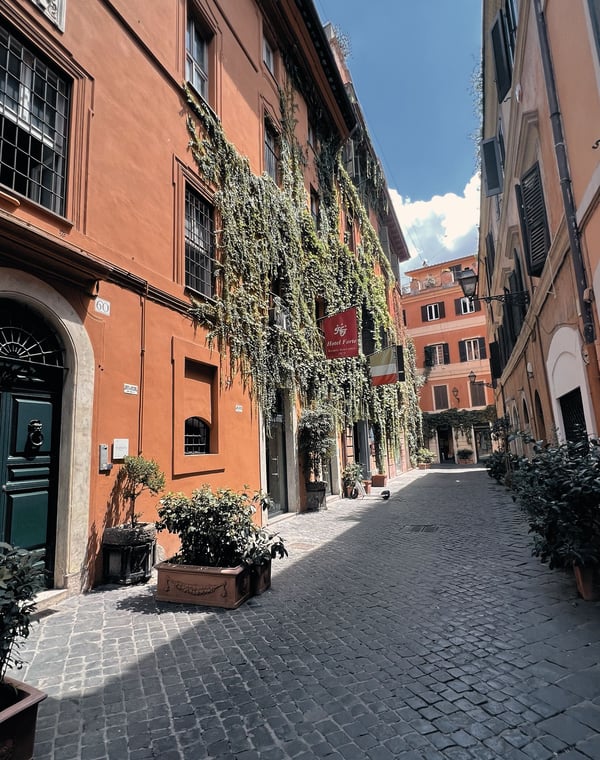
The standout for boutique value. Central (walk to the Forum), genuinely characterful, and generally better priced than the historic core — Monti is full of small, stylish places in converted buildings, with a real-neighborhood feel of wine bars and artisan shops at the door.
Trastevere
Atmosphere in spades, with charming small hotels and B&Bs tucked into the cobbled lanes. You trade a bit of distance to the ancient sights for the city's best evening setting and strong character per euro.
The historic center (selectively)
Centro Storico has wonderful boutiques, but you pay the location premium and rooms run small. The value play here is a smaller, well-reviewed boutique on a quieter side street rather than a big-name address on a famous piazza.
Prati and the Vatican side
Calmer and often better value than the center for comparable quality — elegant, residential, and handy for the Vatican, with a more local feel.
Boutique vs. the alternatives
It helps to place boutique hotels against the other options so you know when they're the right value. Versus a five-star luxury hotel, a boutique gives you most of the atmosphere and personal service at a meaningfully lower price — you trade full facilities (spa, pool, multiple restaurants) for character and intimacy. Versus a chain hotel, a boutique trades predictable consistency and loyalty points for a genuine sense of place — usually well worth it in a city like Rome, where "anonymous" is the last thing you want. Versus a short-term apartment, a boutique gives you daily service, a front desk, and easy check-in, where an apartment gives you space, a kitchen, and a neighborhood — apartments tend to win for groups, families, and week-plus stays, boutiques for couples and shorter character-driven trips. And versus a B&B or guesthouse, the line genuinely blurs: a great Roman B&B can deliver the same charm for less, so don't fixate on the "boutique" label — judge the actual place. The point isn't that boutique is always best; it's that for a traveler who prizes character and location on a short-to-medium stay, it's often the smartest use of the accommodation budget.